
Swiss Authorities Identify All 116 Victims Injured in Devastating New Year's Fire at Crans-Montana Ski Resort Bar
CRANS-MONTANA, Switzerland — Swiss police have identified all 116 individuals injured in a catastrophic fire that ripped through a crowded bar during New Year's celebrations in the popular ski resort of Crans-Montana, leaving approximately 40 people dead and over two-thirds of the survivors still hospitalized as of Monday.
The blaze, which erupted during a lively New Year's party on or around January 1-2, 2026, primarily affected young attendees packed into the venue. Officials confirmed the critical nature of the incident, with the fire causing widespread injuries from smoke inhalation, burns, and trampling amid the chaos. FRANCE 24 correspondent Eliza Herbert reported on the police announcement, highlighting the scale of the tragedy in this Alpine hotspot known for its vibrant après-ski scene.
Investigation and Victim Identification Progress
Swiss police announced on January 5, 2026, that they had successfully identified every one of the 116 injured victims, a significant milestone in the ongoing response to the disaster. More than two-thirds of those hurt—roughly 78 individuals—remain under medical care in hospitals across the region, underscoring the fire's severity. The event information released by authorities pegged the death toll at around 40, with injuries numbering approximately 115, aligning closely with the police's updated figure of 116.
Emergency services responded swiftly after the fire broke out at approximately 07:39 GMT on January 2, though celebrations likely began on New Year's Eve. The bar, located in Crans-Montana—a twin village resort perched at 1,500 meters in the Valais canton—was hosting a packed party typical of the area's winter festivities. Overcrowding and the rapid spread of flames contributed to the high casualty count, primarily among younger revelers enjoying the post-holiday atmosphere.
Authorities have not yet publicly detailed the exact cause of the fire, but investigations are underway involving local police, cantonal fire services, and federal experts. Preliminary reports suggest possible electrical faults or pyrotechnics used in celebrations, though no official determination has been made. Forensic teams are working to confirm identities of the deceased, many of whom were locals and tourists from neighboring European countries.
Context in Switzerland's Ski Resort Safety Landscape
Crans-Montana, renowned for its world-class slopes, luxury chalets, and vibrant nightlife, draws thousands of visitors each winter, particularly young skiers and snowboarders from across Europe. The resort hosted the Crans Montana Forum and has a history of high-profile events, but this incident marks one of the deadliest fire tragedies in Switzerland's recent history.
Switzerland's ski industry, which contributes billions to the economy annually, has stringent safety regulations enforced by the Swiss Federal Office for Civil Protection. However, après-ski venues like bars and clubs often operate at peak capacity during holidays, raising occasional concerns about fire risks. A 2019 fire at a Verbier nightclub injured several but caused no fatalities, serving as a reminder of vulnerabilities in wooden Alpine structures.
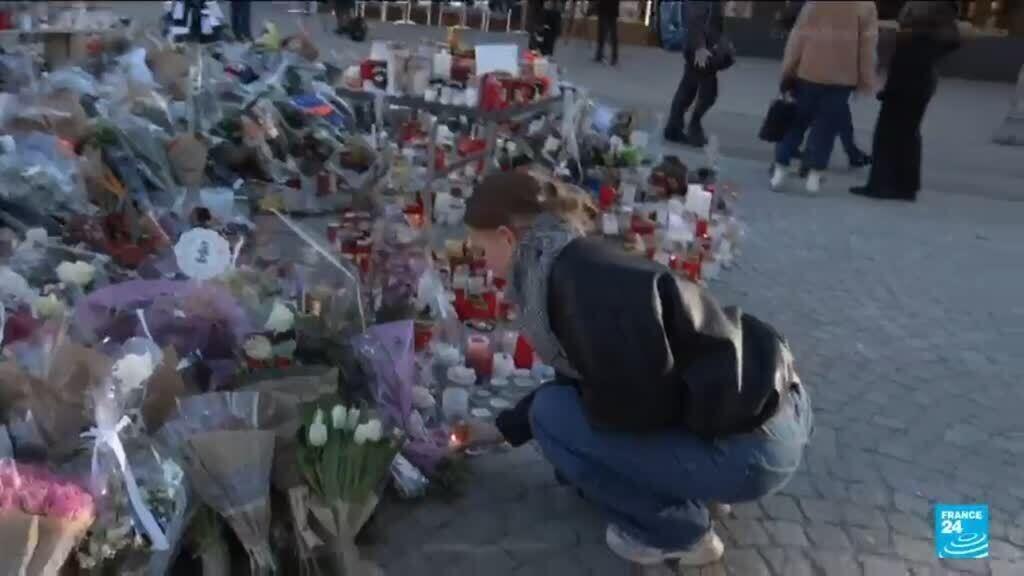
The timing—mere days into 2026—has amplified national mourning. Valais cantonal officials declared a week of remembrance, with flags at half-mast across ski lifts and public buildings. International condolences have poured in, particularly from France and Italy, given the cross-border visitor mix.
Community Response and Ongoing Challenges
Local hospitals in Sion, Sierre, and Lausanne are stretched, treating victims for severe respiratory issues and burns. Psychological support teams have been deployed for survivors and families. Crans-Montana's mayor addressed the community on January 4, vowing a thorough review of venue safety protocols: "This is a dark day for our resort, but we will emerge stronger with better safeguards."
Tourism operators report cancellations but emphasize resilience, with many venues voluntarily closing for inspections. The Swiss Hotel Association pledged support for affected businesses, while insurers assess claims expected to run into millions of Swiss francs.
As the investigation deepens, questions linger about compliance with capacity limits and fire suppression systems. Police urge anyone with information or who recognizes missing persons to come forward via a dedicated hotline.
This tragedy casts a shadow over Switzerland's winter season, prompting calls for nationwide audits of high-risk nightlife spots. With victim identification complete, focus shifts to recovery and prevention, ensuring Crans-Montana's slopes can welcome visitors safely once more.
(Word count: 612)