
Suspected Terror Blasts in Himachal Pradesh and Manipur Heighten India's Security Alert
New Delhi, India – Amid heightened security concerns, India has reported two separate low-to-medium severity terror-related incidents in the past week: an explosion in Himachal Pradesh suspected to be orchestrated by Pakistan's Inter-Services Intelligence (ISI), and a series of bomb blasts in Manipur that injured two people and prompted a statewide shutdown.
The Himachal Pradesh incident occurred on January 2, 2026, in Nalagarh, where Punjab police have pointed fingers at the ISI for masterminding the blast. Local groups initially claimed responsibility, but authorities dismissed these claims, alleging the outfits were proxies acting on behalf of the Pakistani intelligence agency. This development underscores ongoing cross-border tensions, with Nalagarh's proximity to Punjab amplifying fears of spillover violence.
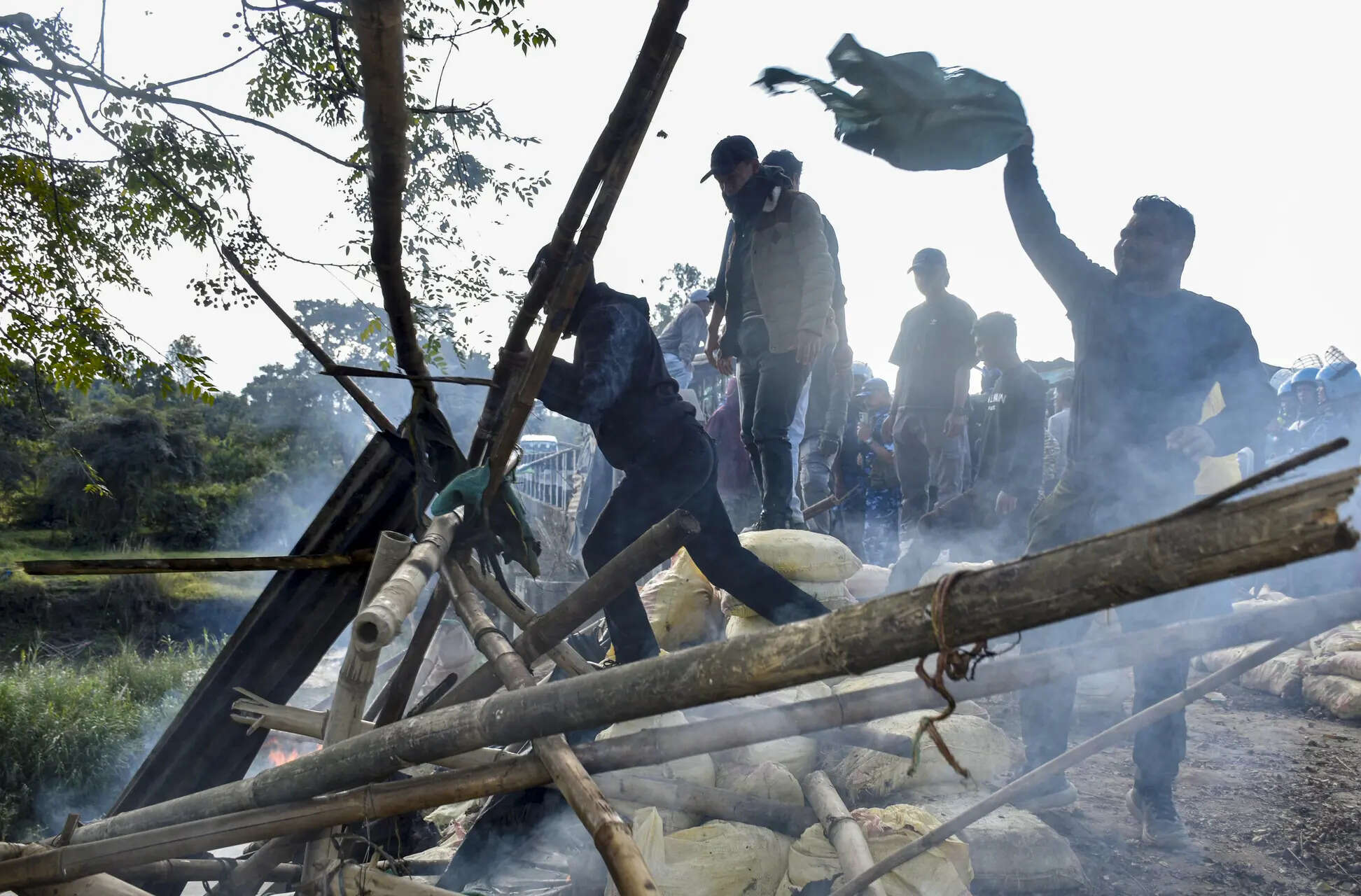
In Manipur, a series of explosions rocked Bishnupur district on January 5, 2026, injuring two individuals and damaging an abandoned residence. According to reports, the victims included a retired Central Reserve Police Force (CRPF) trooper and another civilian. Villagers in the area expressed outrage over what they described as inadequate surveillance by security forces, leading to a 24-hour statewide shutdown in protest. No group has yet claimed responsibility for the Manipur blasts, but the incident occurs against the backdrop of ethnic tensions and insurgent activities in the northeastern state.
Details of the Himachal Pradesh Explosion
The Nalagarh blast, which took place late on Friday, January 2, has been classified as medium severity by security assessments. Punjab police investigations suggest ISI involvement, a recurring accusation in cases of cross-border terrorism. Local militant groups' claims of responsibility were quickly rebutted by officials, who described them as "fronts" for external handlers. No casualties were immediately reported from the explosion, but the incident has prompted increased patrols along the India-Pakistan border regions, including Himachal Pradesh's border areas with Punjab.
This event fits into a pattern of suspected ISI-backed activities aimed at destabilizing northern India. Himachal Pradesh, while not a traditional hotbed of militancy, shares vulnerabilities due to its terrain and proximity to Punjab, where Khalistani separatist threats have resurfaced in recent years.
Manipur Blasts and Local Backlash
In Bishnupur district, the explosions caused significant alarm, with blasts targeting an abandoned house. The injuries to the retired CRPF personnel and another person highlighted gaps in local security, as per villager accounts. "Security forces failed to provide adequate surveillance," locals were quoted as saying in reports, fueling public discontent.
The 24-hour shutdown across Manipur reflects the fragility of the situation in the state, where a combination of ethnic clashes between Meitei and Kuki communities, alongside insurgent groups like UNLF and PLA, has led to frequent violence. Security forces have launched investigations, but the lack of immediate claims complicates attribution.
Background on Terrorism in India
India faces multifaceted terrorism threats, from Pakistan-sponsored groups in Jammu and Kashmir and border states to northeastern insurgencies rooted in ethnic separatism. The ISI has long been accused by Indian authorities of funding and arming militants, including in non-traditional areas like Himachal Pradesh, as evidenced by past arrests of ISI operatives in Punjab.
Manipur's volatility stems from decades of insurgency, exacerbated since 2023 by ethnic violence displacing over 60,000 people and killing hundreds. The central government has deployed additional forces, including the CRPF, but incidents like the Bishnupur blasts expose persistent challenges in intelligence and surveillance.
These events coincide with India's broader counter-terrorism efforts, including operations under the National Investigation Agency (NIA) and enhanced border fencing. In 2025 alone, India reported over 100 terror-related incidents, primarily in the northwest and northeast, according to government data.
Security Response and Outlook
Following the Himachal blast, Punjab and Himachal police have intensified joint operations, with alerts issued for potential follow-up attacks. In Manipur, authorities have promised a thorough probe and improved patrolling in Bishnupur. Nationally, Home Minister Amit Shah's office reiterated commitment to "zero tolerance" against terrorism, though specific statements on these incidents were pending as of January 6, 2026.
As investigations continue, these blasts serve as a reminder of India's expansive security footprint. Experts note that while casualty figures remain low, the psychological impact and potential for escalation demand vigilant monitoring, especially with regional elections and border tensions on the horizon.
(Word count: 612)






