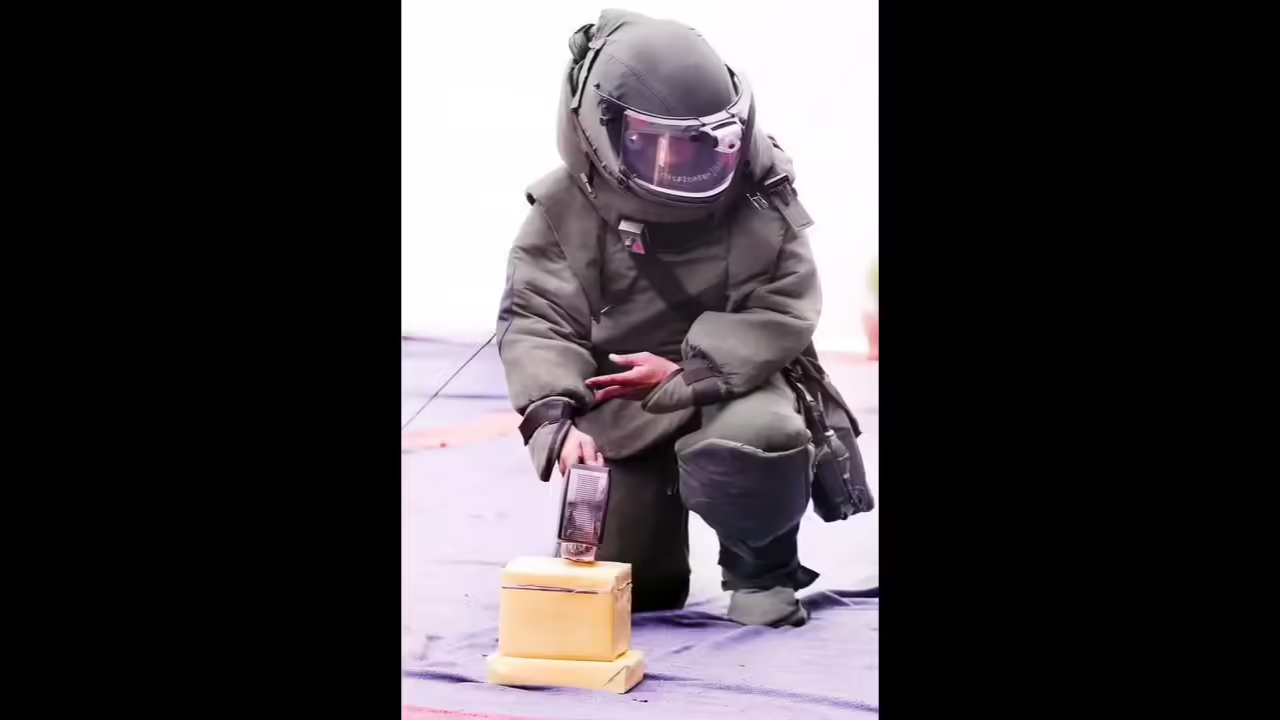

Suspected ISI Role in Himachal Blast Fuels Terrorism Fears Amid Nationwide Bomb Hoax Disruptions
New Delhi, India – Punjab police have implicated Pakistan's Inter-Services Intelligence (ISI) in orchestrating an explosion in Nalagarh, Himachal Pradesh, marking a potential escalation in cross-border terrorism threats, even as a wave of bomb hoaxes has paralyzed court operations across seven states in India.
The Himachal Pradesh blast, which occurred on January 2, 2026, has been classified as a medium-severity incident by authorities. According to Punjab police investigations, the explosion was masterminded by the ISI, with local groups initially claiming responsibility. However, these claims have been dismissed by officials, who assert that the groups were merely fronts acting at the behest of Pakistan's intelligence agency. Nalagarh, located in the Solan district of Himachal Pradesh near the Punjab border, has seen heightened security measures following the incident, amid ongoing probes into the perpetrators' networks.
This development comes just days before a series of bomb hoaxes struck judicial infrastructure nationwide, as reported by the Times of India on January 8, 2026. The threats, which prompted evacuations and extensive searches, disrupted court proceedings in seven states, underscoring vulnerabilities in public safety and security protocols. While no explosives were found in these cases, the coordinated nature of the hoaxes has amplified concerns about psychological operations aimed at sowing panic and straining law enforcement resources.
Details of the Himachal Pradesh Incident
The Nalagarh explosion targeted an area in Himachal Pradesh, a northern state known for its proximity to Punjab and occasional spillover of regional tensions. Punjab police, drawing on intelligence inputs, have directly linked the blast to ISI operatives, a charge that aligns with long-standing accusations against the agency for sponsoring militancy in India. Local groups that surfaced with responsibility claims—whose identities have not been publicly detailed—were quickly sidelined in official narratives as proxy actors. No casualties or specific damage reports have been disclosed, but the incident's timing, shortly after the new year, has prompted swift inter-state coordination between Himachal Pradesh and Punjab police forces.
Authorities have intensified surveillance along the India-Pakistan border and within Punjab's sensitive districts, reflecting fears of further incursions. This suspicion of ISI involvement revives memories of past operations attributed to the agency, such as the 2019 Pulwama attack and earlier infiltrations in Jammu and Kashmir, where Pakistan-based handlers have been implicated in radicalizing and arming local modules.
Bomb Hoaxes Paralyze Courts Across Seven States
Compounding the unease, bomb threats received on January 8 targeted courts in multiple states, leading to temporary shutdowns and bomb disposal squad deployments. The Times of India detailed how these hoaxes—delivered via calls, emails, or social media—halted hearings, delayed justice delivery, and diverted security personnel from other duties. The affected states, though not individually named in initial reports, span a significant portion of India's judicial network, highlighting the broad reach of such disruptions.
Security experts note that bomb hoaxes serve as low-cost tactics to overwhelm systems, often linked to broader terrorist strategies. Indian courts have faced similar threats sporadically, including during high-profile cases involving separatists or terror accused, but the scale across seven states marks a notable uptick. Police are tracing the origins of these calls, with preliminary indications pointing to possible overseas routing, though no direct links to the Himachal blast have been established.
Background on India-Pakistan Terrorism Dynamics
India and Pakistan have a fraught history of terrorism-related confrontations, exacerbated by the Kashmir dispute and Pakistan's alleged support for insurgent groups. The ISI, established in 1948, has been designated by India as a state sponsor of terrorism, with evidence from dossiers presented at international forums like the Financial Action Task Force (FATF). Notable past incidents include the 2008 Mumbai attacks, executed by Lashkar-e-Taiba with purported ISI backing, and the 2016 Pathankot airbase assault.
Himachal Pradesh, while not a primary militancy hotspot like Jammu and Kashmir, has witnessed occasional radicalization attempts, often tied to Punjab's Khalistani revival narratives. The Nalagarh area's industrial pockets make it a potential target for sabotage, analysts observe based on historical patterns.
Ongoing Investigations and Security Response
Both incidents are under active investigation, with central agencies like the National Investigation Agency (NIA) likely to assume lead roles given the ISI angle. Punjab and Himachal Pradesh police have ramped up patrols, while cyber units monitor hoax communications. The government has reiterated its zero-tolerance stance on terrorism, with Home Ministry statements emphasizing enhanced border vigilance.
As India navigates these threats in early 2026, the incidents underscore the persistent challenge of hybrid warfare tactics—from physical blasts to digital disruptions. Courts and public spaces remain on high alert, with authorities urging vigilance to prevent escalation. Further details from probes are awaited, as the nation balances security imperatives with daily operations.
(Word count: 712)






