
Suspected ISI-Linked Blast Rocks Himachal Pradesh as India Bolsters Anti-Terror Defenses
New Delhi/Nalagarh, India – An explosion in Nalagarh, Himachal Pradesh, on January 2, 2026, has heightened security concerns in northern India, with Punjab police pointing fingers at Pakistan's Inter-Services Intelligence (ISI) as the orchestrator. Local groups have claimed responsibility, but authorities dismiss them as proxies acting on ISI directives. This incident unfolds amid India's intensified counter-terrorism measures, including Union Home Minister Amit Shah's inauguration of a specialized data platform for the National Security Guard (NSG) to combat improvised explosive device (IED) attacks.
The blast, reported around 21:17 GMT on Friday, January 2, underscores persistent cross-border threats in the region. Nalagarh, located in Himachal Pradesh's Solan district near the Punjab border, is a relatively peaceful industrial area, making the explosion particularly alarming. Punjab police investigations suggest ISI involvement, a recurring accusation in attacks aimed at destabilizing India's border states. While specifics on casualties, damage, or the exact nature of the explosive remain limited in initial reports, the medium-severity classification by security agencies indicates a targeted operation rather than a mass-casualty event.
Local militant outfits initially claimed the attack via unverified statements, but officials have rejected these as facades for foreign-backed operations. "Such groups are often fronts for ISI handlers," a Punjab police spokesperson stated anonymously, echoing patterns seen in past incidents like the 2019 Pulwama attack and earlier blasts in Punjab during the Khalistan insurgency era. Himachal Pradesh, though not a traditional hotbed of militancy, has witnessed sporadic violence linked to spillover from neighboring Jammu and Kashmir and Punjab.
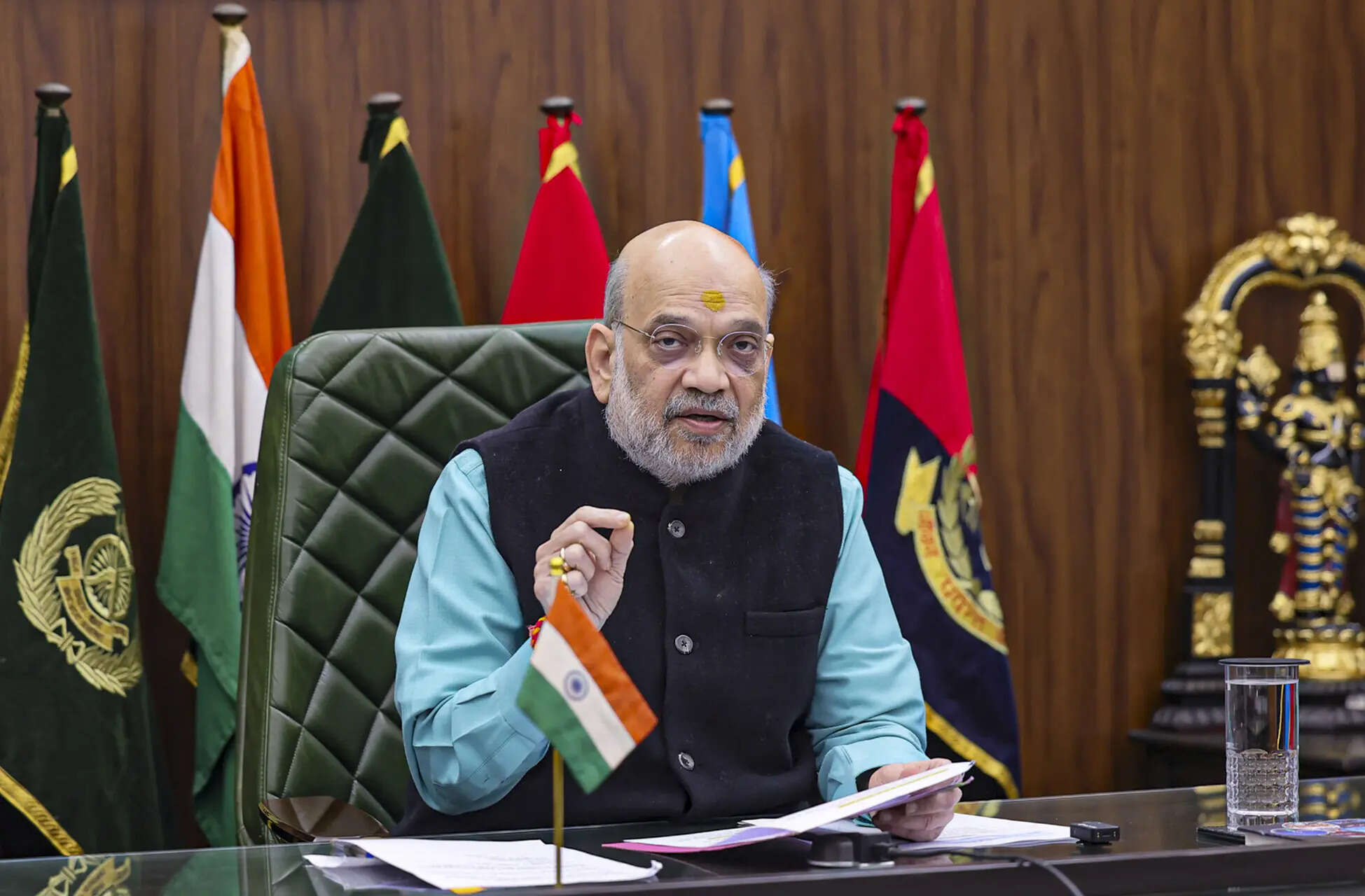
In response to escalating IED threats nationwide, Home Minister Amit Shah inaugurated a cutting-edge data platform for the NSG on January 9, 2026. Described as a "next-generation shield against terrorism," the platform aggregates real-time intelligence on IED fabrication, deployment patterns, and neutralization techniques. "This initiative will empower our forces with predictive analytics to thwart terror modules before they strike," Shah said during the event in New Delhi, as reported by the Times of India. The NSG, India's elite federal counter-terrorism unit established after the 1984 Operation Blue Star and formalized in 1986, will leverage the system to enhance rapid response capabilities.
Background on Cross-Border Terrorism
India-Pakistan relations have long been strained by accusations of state-sponsored terrorism. The ISI, Pakistan's premier intelligence agency founded in 1948, has been repeatedly implicated by Indian authorities in fomenting unrest through proxies like Lashkar-e-Taiba (LeT), Jaish-e-Mohammed (JeM), and Khalistan-linked groups. The 2008 Mumbai attacks, 2016 Pathankot airbase assault, and 2019 Pulwama bombing—all involving IEDs or suicide bombings—led to surgical strikes and airstrikes by India, escalating tensions.
Himachal Pradesh's proximity to Punjab and Jammu and Kashmir makes it vulnerable to infiltration routes along the Line of Control (LoC) and International Border. Post-Partition, the region has seen intermittent violence, including the 1990s militancy surge in Kashmir that spilled over. Recent years have witnessed a tactical shift toward low-intensity blasts using locally fabricated IEDs, often guided remotely, to evade detection.
India's counter-terrorism architecture has evolved significantly. The NSG's expansion post-26/11 Mumbai attacks includes specialized commando units like the National Bomb Data Centre (NBDC), now augmented by this new platform. The Unlawful Activities (Prevention) Act (UAPA) amendments in 2019 and the National Investigation Agency (NIA) have facilitated swift probes into ISI-linked modules. Punjab, under Chief Minister Bhagwant Mann's Aam Aadmi Party government, has ramped up vigilance along its 553-km border with Pakistan, installing smart fencing and drone surveillance.
Government Response and Regional Security
The Himachal blast prompted immediate multi-agency coordination involving Punjab Police, Himachal Pradesh Police, and central forces. Nalagarh's markets and industrial units were briefly shut, with forensic teams scouring the site. No arrests have been publicly confirmed, but intelligence chatter suggests monitoring of ISI overground workers (OGWs) in the region.
Shah's NSG platform launch reflects a broader strategy under Prime Minister Narendra Modi's administration, which has invested over ₹10,000 crore in border infrastructure since 2014. Data-driven tools aim to counter the 20-30% annual rise in IED recoveries reported by the NBDC, particularly in Jammu, Kashmir, and the Northeast.
As investigations continue, security analysts anticipate heightened alerts ahead of Republic Day on January 26. Pakistan has denied ISI involvement, calling allegations "baseless propaganda," consistent with its standard response. Diplomatic channels remain tense, with no immediate backchannel talks reported.
India's resolve against terrorism appears firm, blending technological upgrades with robust policing. Whether the Nalagarh incident marks an ISI resurgence or a one-off probe will depend on unfolding evidence, but it reaffirms the fragility of peace in India's borderlands.
(Word count: 682)






