Suspected Far-Left Arson Attack Leaves Tens of Thousands Without Power in Berlin

Latest from X
Suspected Far-Left Arson Attack Leaves Tens of Thousands Without Power in Berlin
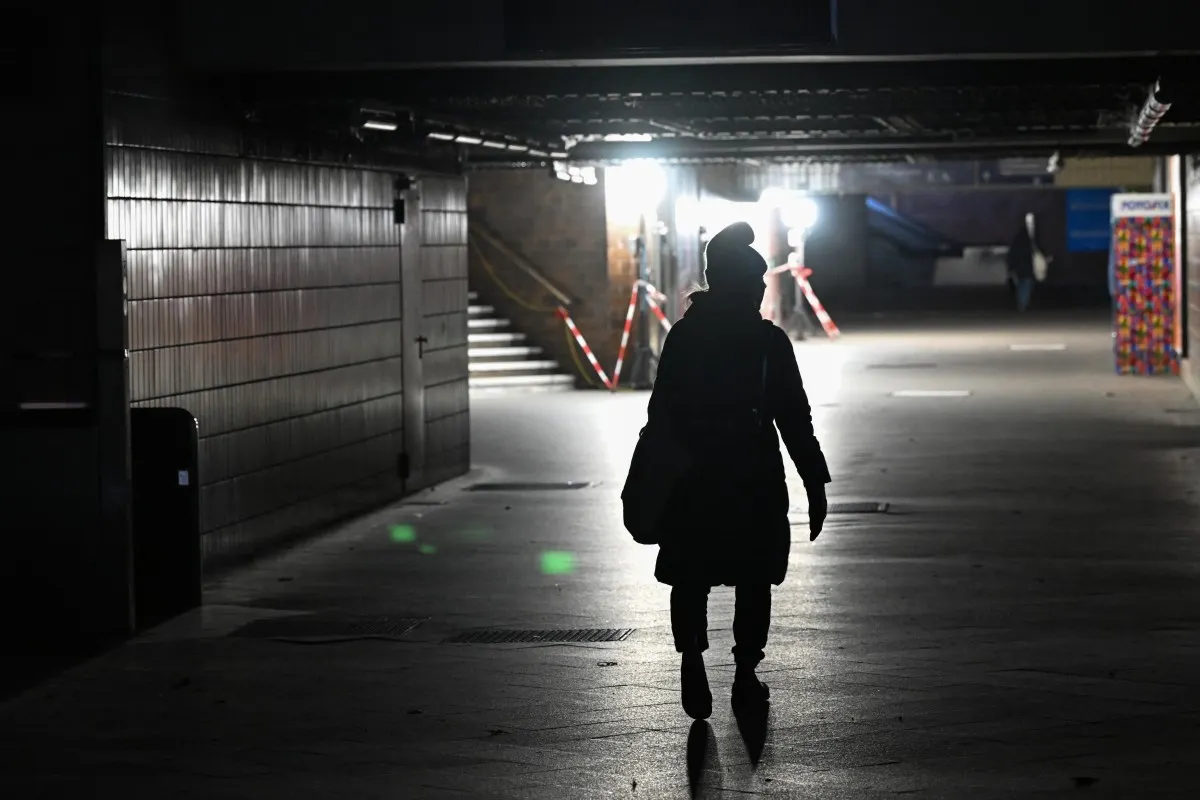
Berlin, Germany – An arson attack on power cables in southwestern Berlin has left up to 45,000 households and 2,000 businesses without electricity amid freezing winter temperatures, with authorities suspecting a far-left extremist group as the perpetrator. The incident, which occurred over the weekend, has disrupted daily life for tens of thousands of residents, and power may not be fully restored until January 8, according to grid operator Stromnetz Berlin.
The fire, reported on a bridge across the Teltow Canal, caused significant damage to critical power infrastructure, plunging large parts of the German capital into darkness. Police have classified the incident as a deliberate act of arson and are investigating potential links to far-left groups, as confirmed by statements reported on Sunday. The severity of the outage, combined with the ongoing sub-zero temperatures, has heightened concerns for vulnerable residents, including the elderly and those reliant on electric heating.
A spokesperson for Stromnetz Berlin told Reuters that repair efforts are underway, but the extent of the damage means that full restoration could take several days. “We are working around the clock to restore power, but the situation remains challenging,” the spokesperson said. Local authorities have set up emergency shelters and are distributing blankets and heaters to affected households, while urging residents to conserve energy where possible.
Berlin police have not yet named a specific group, but suspicion has fallen on far-left extremists due to the nature of the attack and past incidents involving similar tactics. Posts on social media platform X have referenced claims of responsibility by a group known as the "Vulkangruppe" (Volcano Group), though these claims remain unverified by official sources. Such groups have historically targeted infrastructure as a form of protest against capitalism, environmental degradation, or state policies, often justifying their actions as necessary to disrupt societal systems.
Background on Far-Left Extremism in Germany
Far-left extremism has been a recurring issue in Germany, with groups occasionally resorting to violence or sabotage to push their ideological agendas. These groups often oppose industrial projects, government policies, or corporate interests, viewing such targets as symbols of systemic oppression. In recent years, Berlin has seen several incidents attributed to far-left activists, including attacks on construction sites and transportation infrastructure. While these actions rarely result in casualties, they can cause significant economic damage and public inconvenience, as seen in the current power outage.
The timing of this attack, during a harsh winter spell, amplifies its impact. With temperatures dropping below freezing, the lack of electricity poses immediate risks to public health and safety. German officials have condemned the act, with some calling it a dangerous escalation. “This is not just property damage; it endangers lives,” a Berlin city official was quoted as saying by The Guardian.
Community and Government Response
Local government and emergency services have mobilized to mitigate the crisis. Schools and public buildings in affected areas have been opened as warming centers, and authorities are coordinating with aid organizations to support those most in need. Meanwhile, police have increased security around other critical infrastructure sites in the city to prevent further attacks.
The investigation into the arson remains ongoing, with forensic teams analyzing the site for evidence. Authorities have appealed to the public for any information that could lead to identifying the perpetrators. “We are treating this as a serious crime and will pursue all leads,” a police spokesperson stated, as reported by The Local Germany.
Outlook
As Berlin grapples with the fallout of this suspected act of terrorism, questions are being raised about the security of critical infrastructure across Germany. The incident highlights the vulnerability of urban power grids to targeted attacks and the potential for significant disruption during extreme weather conditions. It also underscores the ongoing challenge of balancing free expression and protest with public safety, particularly when extremist groups resort to destructive means.
For now, the focus remains on restoring power to the affected areas and ensuring the well-being of residents. However, the broader implications of this attack may prompt a reevaluation of security measures and counter-terrorism strategies in the capital. As the investigation unfolds, both officials and the public await answers on who is responsible and what motivated this disruptive act.
Track this story live
Live World Map
Monitor global events in real time with a live activity map and hotspot summaries.
Global Conflict Map
Follow active conflict zones, strike activity, and emerging geopolitical hotspots.
Current Wars
Track all active wars and armed conflicts happening in the world right now.
Iran War
Track the Iran war in real time with proxy network monitoring, Strait of Hormuz risk, and market impact.
Original Sources
- •Berlin police suspect far-left group of attack on power cables— The Local Germany
- •
- •
Editorial process: This article was synthesized from the original sources cited above using The World Now's AI editorial system, with byline accountability from our editorial team. We grade every story for source grounding, factual coherence, and on-topic match before publication. Read more about our editorial standards and contributors. Spot something inaccurate? Let us know.
Last updated: January 16, 2026






