Suspected Far-Left Arson Attack Leaves Tens of Thousands Without Power in Berlin

Latest from X
Suspected Far-Left Arson Attack Leaves Tens of Thousands Without Power in Berlin
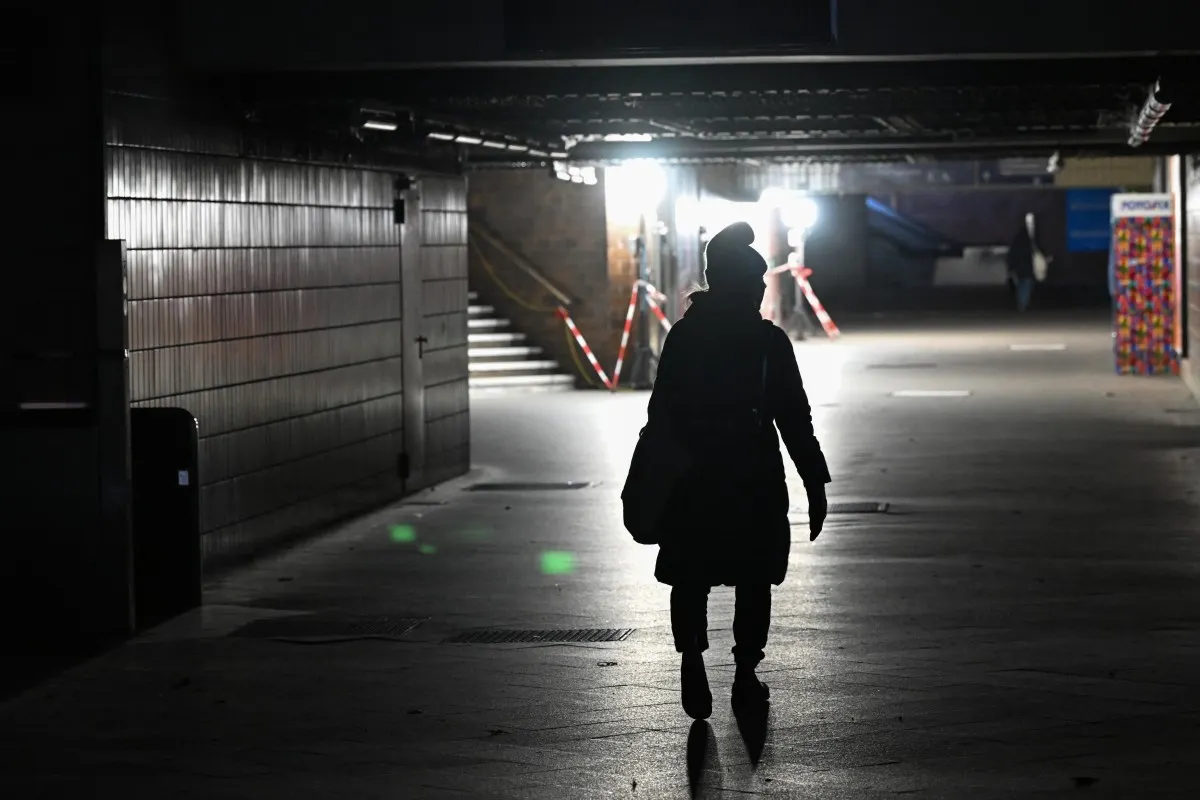
Berlin, Germany – A suspected arson attack on power cables in southwestern Berlin has left up to 50,000 households without electricity and heating during freezing winter temperatures, with authorities pointing to a far-left extremist group as the likely culprit. The incident, which occurred on Saturday, January 3, 2026, has disrupted life for tens of thousands of residents, and grid operators warn that power may not be fully restored until January 8.
According to Berlin police, the fire, which broke out on a bridge across the Teltow Canal, deliberately targeted critical power infrastructure. "We are investigating this as a politically motivated attack," a police spokesperson told local media on Sunday, January 4, as reported by The Local Germany. Authorities suspect the involvement of a far-left group, though specific details about the organization or evidence linking them to the crime have not yet been publicly disclosed. The severity of the damage suggests a coordinated effort, raising concerns about the potential for further attacks on public infrastructure.
Stromnetz Berlin, the city's grid operator, confirmed that the fire severely damaged high-voltage cables, impacting an estimated 45,000 to 50,000 households. "Our teams are working around the clock to repair the damage, but due to the extent of the destruction and the complexity of the infrastructure, we anticipate that full restoration could take until January 8," a spokesperson for the company said, as quoted by Reuters. The timing of the outage, amidst sub-zero temperatures, has heightened the urgency of the situation, with local authorities setting up emergency shelters and distributing blankets and heaters to affected residents.
The Guardian reported that the outage has sparked outrage among Berliners, many of whom are struggling to cope without heating or electricity. Local officials have urged patience while warning vulnerable populations, such as the elderly and young children, to seek assistance if needed. Berlin’s mayor has called the incident "a direct attack on the well-being of our citizens," promising a thorough investigation and enhanced security measures around critical infrastructure.
Background on Far-Left Extremism in Germany
Germany has a history of politically motivated attacks by far-left groups, often targeting symbols of capitalism, industrialization, or state authority. These groups, which sometimes operate under anonymity, have been linked to acts of sabotage, vandalism, and arson in the past. In recent years, infrastructure such as power grids and transportation networks has increasingly become a focus for such attacks, with perpetrators often citing environmental or anti-capitalist motives. While no group has officially claimed responsibility for the Berlin incident at the time of reporting, posts on social media platforms like X have mentioned the "Vulkangruppe" (Volcano Group) as a potential actor, though these claims remain unverified by official sources.
The timing of this attack coincides with growing political tensions in Germany, where economic challenges and climate policies have fueled debates across the ideological spectrum. Far-left groups have occasionally exploited such unrest to justify acts of violence or disruption, though their actions often draw widespread condemnation for endangering public safety.
Public and Official Response
The incident has drawn significant attention on social media, with many users expressing concern over the impact of the outage and speculating about the motives behind the attack. While some posts on X reference unconfirmed claims of responsibility by specific far-left groups, authorities have yet to corroborate these reports. The focus remains on restoring power and ensuring the safety of affected residents.
As the investigation unfolds, Berlin police have promised to pursue all leads with the full force of the law. Federal authorities are also monitoring the situation, given the potential implications for national security. "This is not just a local issue; it’s a reminder of the vulnerabilities in our critical infrastructure," a government official noted, speaking on condition of anonymity.
Outlook
With power restoration efforts expected to take several more days, Berlin faces a challenging week ahead. The suspected involvement of a far-left group has reignited discussions about how to protect vital infrastructure from politically motivated attacks while balancing civil liberties. For now, the priority remains on supporting affected residents and preventing further disruptions. As more details emerge about the perpetrators and their motives, this incident is likely to fuel broader debates about extremism and security in Germany.
Track this story live
Live World Map
Monitor global events in real time with a live activity map and hotspot summaries.
Global Conflict Map
Follow active conflict zones, strike activity, and emerging geopolitical hotspots.
Current Wars
Track all active wars and armed conflicts happening in the world right now.
Iran War
Track the Iran war in real time with proxy network monitoring, Strait of Hormuz risk, and market impact.
Original Sources
- •Berlin police suspect far-left group of attack on power cables— The Local Germany
- •
- •
Editorial process: This article was synthesized from the original sources cited above using The World Now's AI editorial system, with byline accountability from our editorial team. We grade every story for source grounding, factual coherence, and on-topic match before publication. Read more about our editorial standards and contributors. Spot something inaccurate? Let us know.
Last updated: January 11, 2026






