
Surge in Violent Crimes Grips India: Ex-IAF Officer Slain in Ghaziabad, Shiv Sena Candidate Stabbed in Mumbai
New Delhi/Mumbai: India has witnessed a spate of high-profile violent crimes in early January 2026, including the brutal murder of a former Indian Air Force officer in Ghaziabad and a stabbing attack on a Shiv Sena candidate during election campaigning in Mumbai's Bandra. These incidents, occurring amid ongoing property disputes and political tensions, have heightened concerns over public safety and law enforcement challenges.
In Ghaziabad, Uttar Pradesh, a retired Indian Air Force officer was killed by hired hitmen on January 2, 2026. Authorities allege that the officer's own sons orchestrated the murder due to a bitter dispute over money and property. Key suspects, including a police constable, remain at large, prompting a manhunt by local police. The case underscores the deep familial conflicts that sometimes escalate into violence in India, where property inheritance disputes are a common trigger for homicides. Ghaziabad, part of the National Capital Region adjacent to Delhi, has seen rising crime rates in recent years, with Uttar Pradesh reporting over 3,000 murders in 2024 according to National Crime Records Bureau (NCRB) data.
The murder has shocked military circles and the local community, highlighting vulnerabilities even among veterans. Indian Air Force personnel, upon retirement, often face financial strains from pensions and property management, though specific details of the victim's service record or the exact sequence of events have not been publicly detailed beyond the ongoing investigation. Police have registered a case under relevant sections of the Indian Penal Code for murder and conspiracy, with efforts focused on apprehending the absconding suspects.
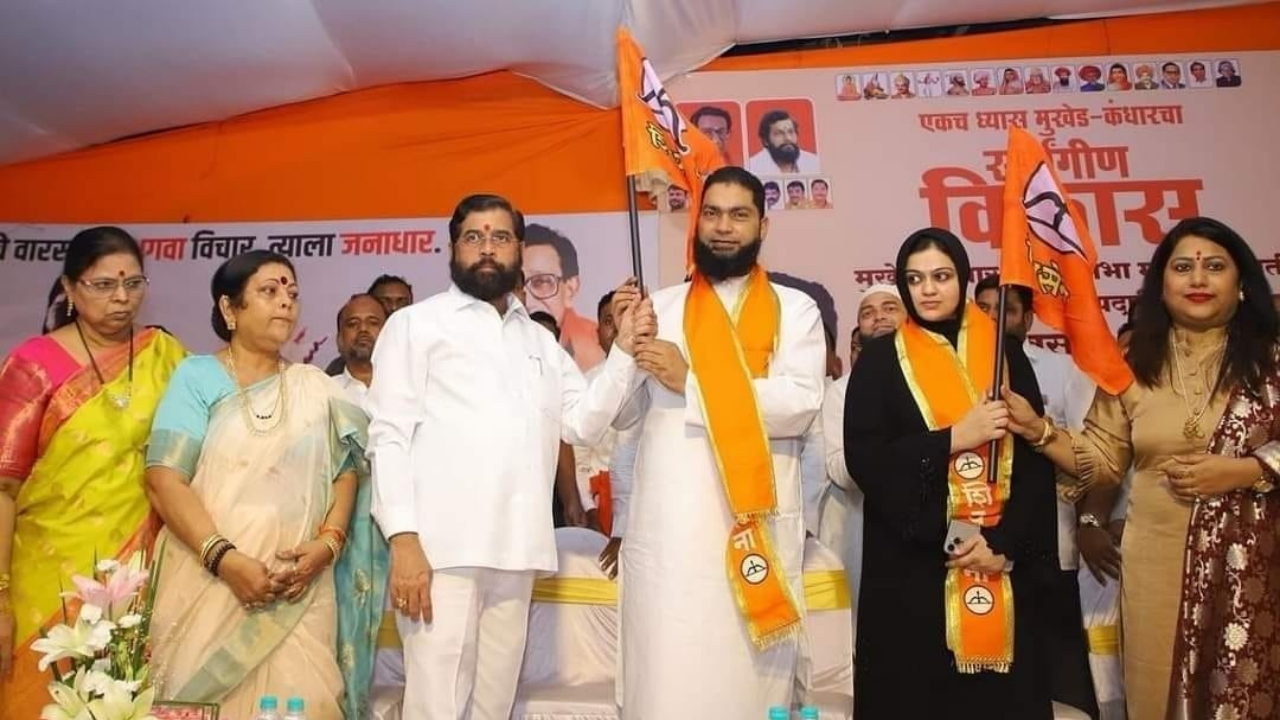
Just days later, on January 7, 2026, political violence erupted in Mumbai during the Brihanmumbai Municipal Corporation (BMC) polls campaign. Shiv Sena candidate Haji Saalim Qureshi was stabbed four times in the stomach while canvassing in Bandra East. Eyewitnesses described an unknown assailant who attacked Qureshi and fled the scene on foot. The candidate was rushed to a nearby hospital, where he is reported to be out of danger following treatment.
Mumbai Police have lodged an attempt to murder case and suspect involvement of political opponents amid the heated BMC elections, which involve fierce competition between Shiv Sena factions and other parties. Multiple teams have been formed to track down the attacker, with investigations ongoing into potential motives linked to local rivalries. Bandra East, a bustling suburb known for its diverse electorate, has been a hotspot for election-related tensions during BMC polls, the last of which in 2017 saw significant violence allegations.
Background on Crime Trends
These incidents reflect broader patterns in India's crime landscape. The NCRB's 2023 report (latest comprehensive data available) noted a 4.5% increase in murders nationwide, with Uttar Pradesh topping the list at over 3,500 cases, often tied to personal enmity and property disputes. Familial killings, like the alleged parricide in Ghaziabad, account for a notable portion, exacerbated by uneven inheritance laws and rapid urbanization pressuring family assets.
In Maharashtra, political violence during local elections is not uncommon. Shiv Sena, a regional powerhouse in Mumbai, has historically faced intra-party and inter-party clashes, especially post its 2022 split into factions led by Eknath Shinde and Uddhav Thackeray. The BMC, controlling a budget exceeding many Indian states, is a prized battleground, with polls delayed multiple times due to legal hurdles and now underway in 2026.
Law enforcement faces scrutiny: the Ghaziabad case implicates a constable, raising internal accountability issues, while Mumbai Police's swift response to the stabbing demonstrates urban policing capabilities. Both states have bolstered patrols and intelligence amid these events.
Outlook
As investigations progress, authorities urge public cooperation. In Ghaziabad, sketches and alerts have been issued for the fugitives, while Mumbai Police continue raids in Bandra. These crimes serve as a stark reminder of underlying social frictions—familial discord in the hinterlands and electoral fervor in metros—amid India's growth trajectory. Enhanced community policing and faster judicial resolutions could mitigate such escalations, though experts note persistent challenges in prevention.
(Word count: 612)






