
Surge in Violent Crimes Against Minorities in Bangladesh: Businessman Set Ablaze, Widow Brutally Assaulted
Dhaka, Bangladesh – In a disturbing wave of violence targeting members of the Hindu minority, Bangladesh has reported two high-severity criminal incidents within days of each other. A Hindu businessman was hacked and set on fire in Shariatpur district on January 2, 2026, suffering serious injuries, while a Hindu widow endured a horrific rape and torture attack shortly thereafter, prompting the arrest of two suspects.
The first incident unfolded on Friday, January 2, 2026, when Khokon Chandra Das, a local Hindu businessman, was viciously attacked by unidentified assailants in Shariatpur district, approximately 100 kilometers southwest of the capital Dhaka. According to reports, the perpetrators hacked at Das before dousing him with a flammable substance and setting him ablaze. Das sustained severe burns and other injuries but survived the ordeal. He was rushed to a medical facility in Dhaka, where he remains under treatment as of early January 2026. Local authorities have not yet disclosed details on suspects or motives, and no arrests have been announced in connection with this case.
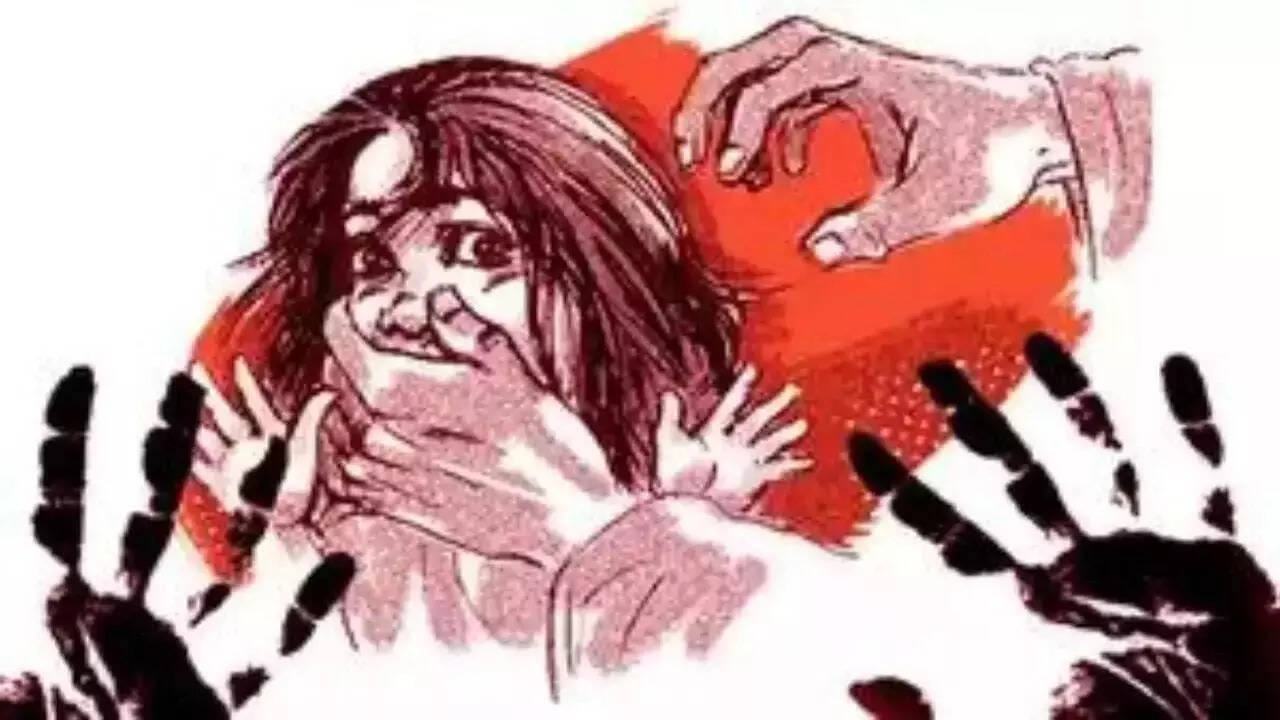
Just days later, on or around January 5, 2026, a 40-year-old Hindu widow fell victim to an equally barbaric assault in Bangladesh. The woman, who had recently purchased property from a local man, rejected repeated indecent advances from him, according to police accounts. Enraged, the man and an accomplice allegedly tied her to a tree, raped her, tortured her brutally, and cut off her hair in a dehumanizing act. The victim lodged a formal complaint, leading to the swift arrest of the two accused men. Details emerged from her testimony and initial investigations, highlighting the personal vendetta behind the attack.
These incidents have heightened fears among Bangladesh's Hindu community, which constitutes about 8% of the country's 170 million population and has historically faced sporadic violence amid political upheavals. The attacks come at a sensitive time, following years of reported communal tensions. In 2024, the ouster of Prime Minister Sheikh Hasina's government led to widespread unrest, including documented assaults on Hindu homes, temples, and businesses, attributed by human rights groups to Islamist extremists and political reprisals. Organizations like the Bangladesh Hindu Buddhist Christian Unity Council reported over 2,000 incidents of violence against minorities in the months after Hasina's departure, including killings, rapes, and property destruction. While the interim government under Muhammad Yunus has pledged to protect minorities, critics argue enforcement remains inconsistent.
Law enforcement's response to the widow's case offers a glimmer of accountability, with police confirming the arrests and vowing a thorough probe. "The victim bravely came forward, and we acted immediately," a district police spokesperson stated, as per reports. However, the lack of immediate updates on the Shariatpur attack underscores ongoing challenges in rural policing and investigations into minority-targeted crimes. Human rights monitors, including Amnesty International and Human Rights Watch, have long flagged Bangladesh's issues with gender-based violence and communal attacks, noting that impunity often perpetuates cycles of aggression.
Background on Communal Violence in Bangladesh
Bangladesh's Hindu minority has endured discrimination and violence for decades, exacerbated by religious polarization and land disputes—frequently cited as triggers in cases like the widow's assault. The 1971 Liberation War saw Hindus disproportionately targeted, and post-independence eras have seen flare-ups during elections or political shifts. Recent data from the U.S. State Department's 2024 Religious Freedom Report highlighted forced conversions, temple vandalism, and attacks on Hindu professionals, mirroring elements of the Das case. Economically successful Hindus like businessmen are sometimes viewed with envy, fueling extortion or vendettas.
The January 2026 incidents echo patterns from late 2024, when interim authorities restored order but struggled with vigilante justice. India's Ministry of External Affairs has repeatedly raised concerns over minority safety, given the shared border and large Hindu diaspora. Dhaka has dismissed some claims as exaggerated but promised enhanced security.
Outlook
As investigations continue, these crimes risk inflaming regional tensions and eroding trust in state protection. With Das still recovering and the widow's case advancing to trial, activists call for swift justice to deter copycats. Bangladesh's government faces pressure to address root causes—poverty, radicalization, and weak legal frameworks—amid international scrutiny. Enhanced minority patrols and community dialogues could mitigate future risks, but sustained commitment is essential to prevent escalation in this volatile context.
(Word count: 612)






