Surge in Violence Rocks Syria: Mosque Terror Attack in Homs Followed by Deadly SDF Drone Strike in Aleppo
Homs, Syria – Syria's fragile security landscape deteriorated further this week with a high-severity terror attack on a mosque in Homs on January 1, 2026, followed by a drone strike by Syrian Democratic Forces (SDF) on Syrian army positions in Aleppo on January 6. These incidents underscore ongoing tensions amid government crackdowns on ISIS remnants and armed militias, highlighting the persistent volatility in the war-torn nation.
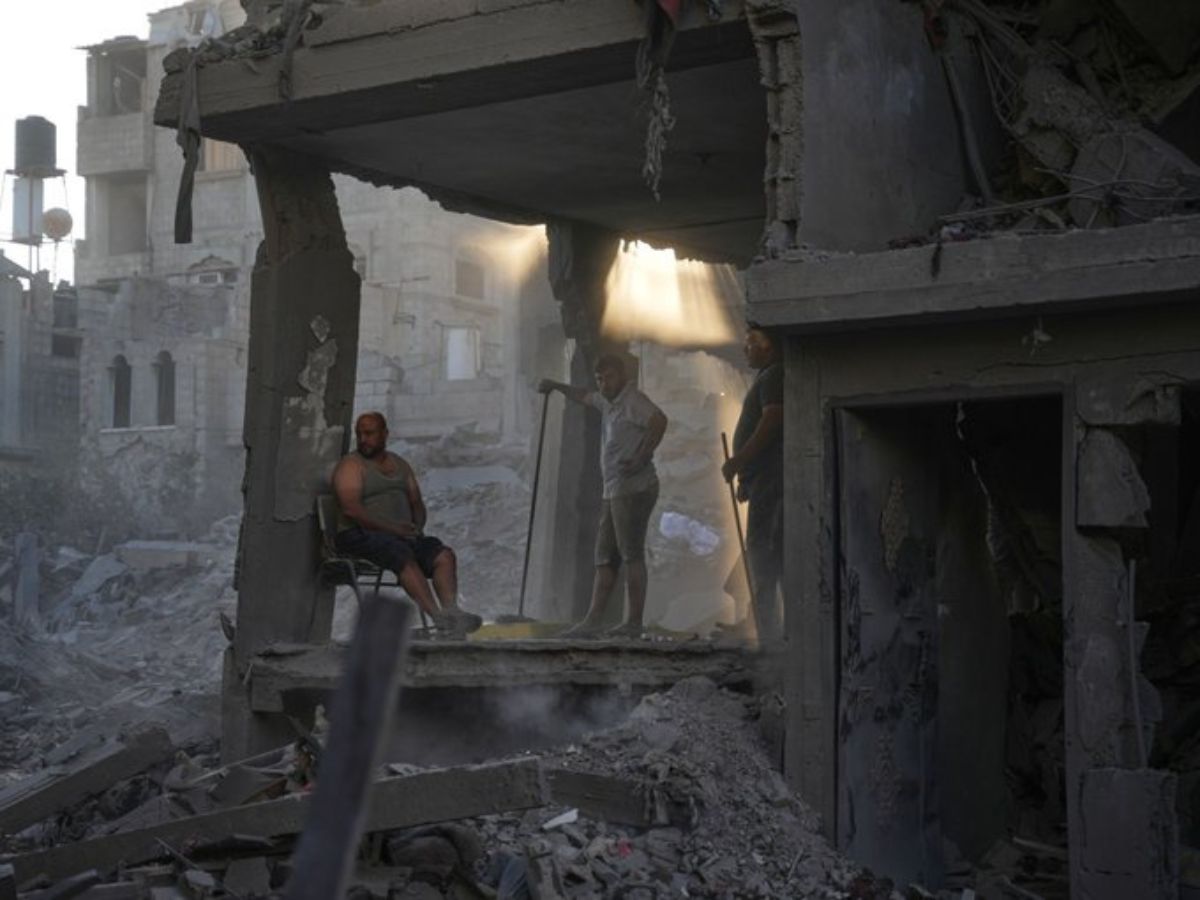
The Homs attack, which occurred at 07:30 UTC on Thursday, January 1, targeted a mosque in the city, a site of religious significance amid Syria's sectarian divides. Described as a terror operation, it unfolded against the backdrop of intensified Syrian military operations against ISIS cells and other armed groups operating in central Syria. Homs, a strategic central province, has long been a flashpoint in the Syrian civil war, witnessing heavy fighting between regime forces, rebels, and jihadists since 2011. No immediate casualty figures or perpetrator claims were detailed in initial reports, but the high severity classification points to significant potential impact on local civilians and security operations.
Just days later, on Tuesday, January 6, escalating inter-factional clashes claimed the life of at least one Syrian soldier and injured others in Aleppo. According to Syrian state media cited by Anadolu Agency, the SDF – a U.S.-backed, Kurdish-led coalition controlling much of northeastern Syria – launched a drone attack on army sites near the Sheikh Maqsoud neighborhood. Published reports from 13:19 UTC detailed the strike as targeting military positions in this contested area, which has seen repeated skirmishes between government forces and SDF fighters.
Aleppo, Syria's second-largest city and a former rebel stronghold recaptured by President Bashar al-Assad's forces in 2016 with Russian and Iranian support, remains divided along ethnic and factional lines. Sheikh Maqsoud, a predominantly Kurdish district, has been a hotspot for friction between the SDF and Syrian army units, often exacerbated by competing territorial claims and external influences, including Turkish operations against Kurdish groups.
These strikes reflect broader patterns of instability in Syria more than a decade into its civil war. The conflict, which erupted in 2011 amid Arab Spring protests, has killed over 500,000 people, displaced millions, and drawn in global powers. The Assad regime, backed by Russia and Iran, controls most of the country but faces challenges from Turkish-supported factions in the northwest, the SDF in the east, and sporadic ISIS attacks in the central desert (Badiya region). Recent government campaigns have focused on dismantling ISIS sleeper cells and neutralizing armed militias, including pro-government and opposition groups, following a series of bombings and ambushes in late 2025.
The SDF, formed in 2015 to combat ISIS with U.S. special forces assistance, played a pivotal role in defeating the group's caliphate by 2019, notably in the battle for Raqqa. However, relations with Damascus have soured over issues like oil-rich territories under SDF control and demands for autonomy. Drone warfare has become a hallmark of SDF tactics, with reports of increasing use against regime targets as negotiations for political integration stall. Syrian state media frequently accuses the SDF of terrorism, while the group claims defensive actions against encroachments.
Background on Syria's Fractured Conflict
Syria's security dynamics are shaped by a web of actors: the Syrian Arab Army (SAA), Hezbollah and Iranian militias, Russian airpower, U.S. troops at select bases, Turkish forces and proxies in Idlib and Afrin, and resilient extremist pockets. Homs province, site of the mosque attack, has been central to anti-ISIS operations; in 2024-2025, Syrian forces dismantled several ISIS networks there, per official statements. The January 1 incident aligns with this context, potentially linked to jihadist retaliation.
In Aleppo, the SDF-drone strike revives memories of 2023 clashes where similar attacks killed SAA personnel, prompting regime airstrikes in response. Anadolu Agency's reporting, drawing from SANA (Syrian Arab News Agency), emphasizes the attack's precision and location near urban areas, raising civilian safety concerns.
International observers, including the United Nations, have repeatedly called for de-escalation. A UN report from December 2025 noted over 1,200 militant incidents nationwide in the prior quarter, with central and northern Syria most affected.
Outlook Amid Escalation
Neither incident has prompted official responses from major powers as of January 7, 2026, but the rapid succession of attacks signals potential for broader confrontation. The Homs terror strike could disrupt anti-ISIS efforts, while the Aleppo drone hit may provoke SAA retaliation, further straining U.S.-Russia mediated ceasefires. With economic woes compounding humanitarian needs – 16.7 million Syrians require aid per UN estimates – these events risk deepening the cycle of violence.
Syrian state media condemned the SDF action as "treacherous aggression," while SDF spokespeople were unavailable for comment in available reports. As investigations continue, the incidents highlight Syria's enduring challenge: reconciling factional ambitions in a post-ISIS era.
(Word count: 712)