Sudan Grapples with World's Largest Humanitarian Crisis as FAO Unveils 2026-2028 Emergency Plan
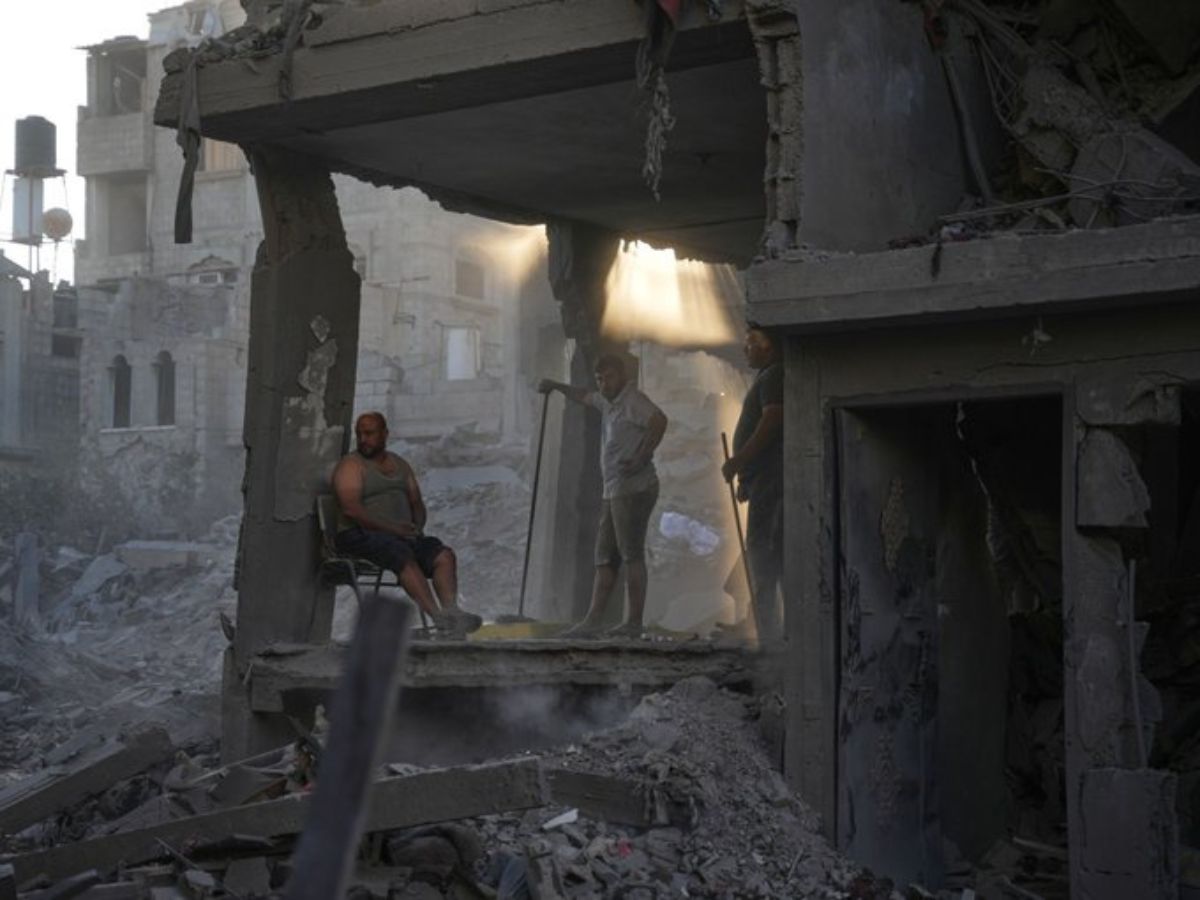
Khartoum, Sudan – The ongoing conflict in Sudan, which erupted in April 2023, has escalated into the world's largest humanitarian, displacement, and hunger crisis, prompting the Food and Agriculture Organization of the United Nations (FAO) to launch a comprehensive Emergency and Resilience Plan for 2026–2028. Published on January 7, 2026, the plan addresses rapidly deteriorating conditions driven by persistent hostilities, mass internal displacement, significant refugee outflows, climate shocks, economic collapse, and severely restricted humanitarian access.
The crisis, now entering its fourth year, has left millions in dire need of assistance. According to the FAO report, widespread violence continues to fuel one of the most acute humanitarian emergencies globally. Sudan, Africa's third-largest country by area, has seen intense fighting primarily between the Sudanese Armed Forces (SAF), led by General Abdel Fattah al-Burhan, and the paramilitary Rapid Support Forces (RSF), commanded by General Mohamed Hamdan Dagalo (Hemedti). What began as clashes in Khartoum over power-sharing has spread nationwide, particularly ravaging the Darfur region, a historical hotspot for ethnic violence.
Escalating Violence and Humanitarian Toll
Recent assessments highlight the severity of the situation, with hostilities showing no signs of abating into 2026. The FAO's executive summary underscores how the conflict has triggered unprecedented displacement: over 10 million people internally displaced within Sudan and more than 2 million refugees in neighboring countries like Chad, Egypt, and South Sudan, as corroborated by UN data up to late 2025. This exodus has strained regional resources, exacerbating food insecurity and disease outbreaks.
Economic collapse has compounded the chaos. Hyperinflation, disrupted supply chains, and the collapse of agricultural production—Sudan's mainstay economy—have pushed millions toward famine. The Integrated Food Security Phase Classification (IPC) has repeatedly warned of catastrophic hunger levels, with parts of North Darfur and Khartoum classified at IPC Phase 5 (famine) in prior reports. Climate stressors, including erratic rainfall and droughts, further hinder farming, affecting 25 million people facing acute food insecurity as of 2025 UN estimates.
Restricted humanitarian access remains a critical barrier. Ongoing battles have blocked aid convoys, with reports of attacks on relief workers. The World Health Organization and UNICEF have documented surges in cholera, measles, and malnutrition, particularly among children, who comprise nearly half of those displaced.
FAO's Emergency and Resilience Plan: A Path Forward
The newly released FAO plan for 2026–2028 aims to mitigate these drivers through targeted interventions. While full details are in the attached report, it emphasizes bolstering agricultural resilience, supporting livestock and crop production, and enhancing early warning systems against climate shocks. The initiative seeks to reach vulnerable populations in conflict zones, promoting food security amid displacement.
"This crisis is driven by widespread hostilities... which continues," the executive summary states, signaling the plan's focus on immediate emergency response alongside long-term resilience-building. Funding appeals underscore the scale: the UN's 2025 Sudan response plan was only 46% funded, leaving gaps that the 2026–2028 strategy aims to address.
Historical Context and Regional Implications
Sudan's turmoil traces back decades, including the 2003–2020 Darfur genocide, which killed hundreds of thousands and displaced millions, and the 2019 revolution that ousted longtime autocrat Omar al-Bashir. The 2023 war shattered a fragile transitional government, reigniting proxy influences from regional powers like the United Arab Emirates (allegedly backing RSF) and Egypt (supporting SAF), alongside Russian Wagner Group interests in gold mines.
The conflict's ripple effects extend beyond borders. Chad hosts over 600,000 Sudanese refugees, while Ethiopia and Uganda face spillover violence. International mediation efforts, including Jeddah talks led by the U.S. and Saudi Arabia, have stalled, with ceasefires routinely violated.
Outlook Amid Persistent Instability
As Sudan enters 2026, the FAO plan offers a glimmer of structured response, but success hinges on improved access and political progress. UN Secretary-General António Guterres has repeatedly called for an immediate ceasefire, warning of "humanity's largest displacement crisis." With violence persisting and no resolution in sight, the international community faces mounting pressure to scale up aid and diplomacy.
The World Now will continue monitoring developments in this high-severity crisis.
(Word count: 612)