
Strong Earthquakes Shake Mexico, Prompting Evacuations and Emergency Responses
Mexico has recently experienced a series of significant seismic events, including a powerful 6.5 magnitude earthquake that struck southern Mexico on January 2, 2026, just two days after a smaller tremor was registered near Golfo de Santa Clara. The tremors have prompted emergency protocols across several states and raised concerns about potential damage and safety.
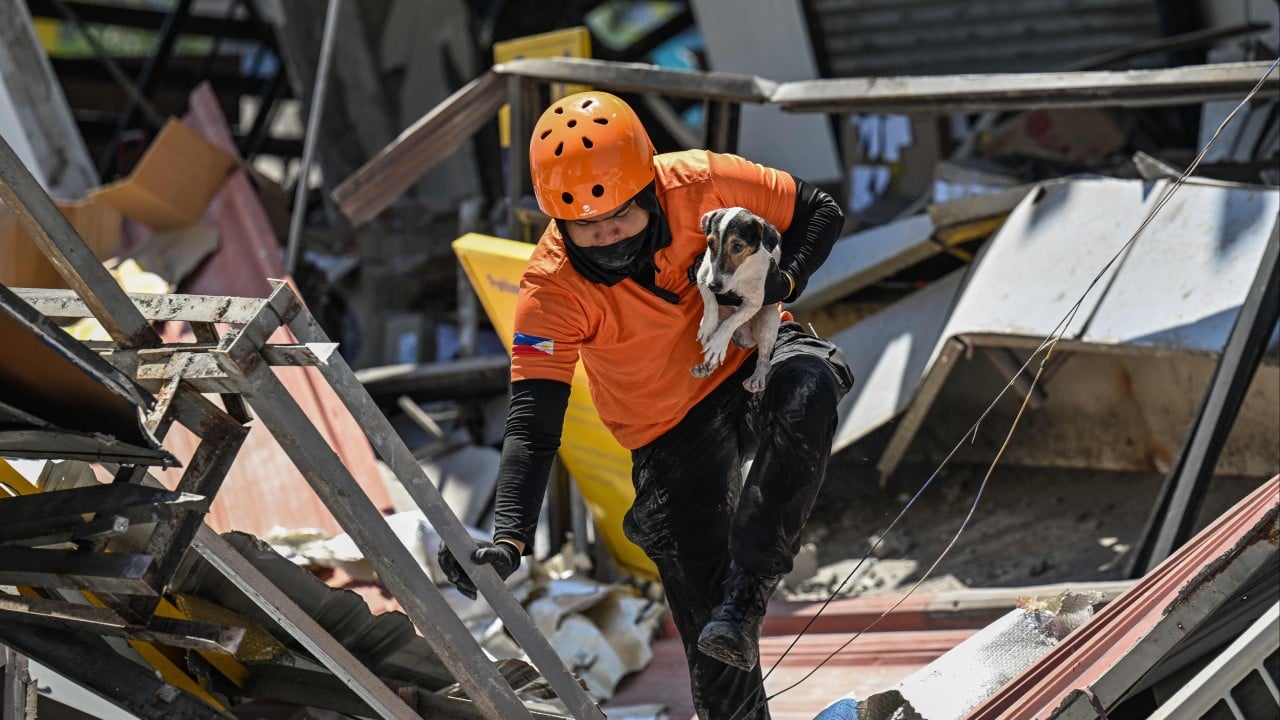
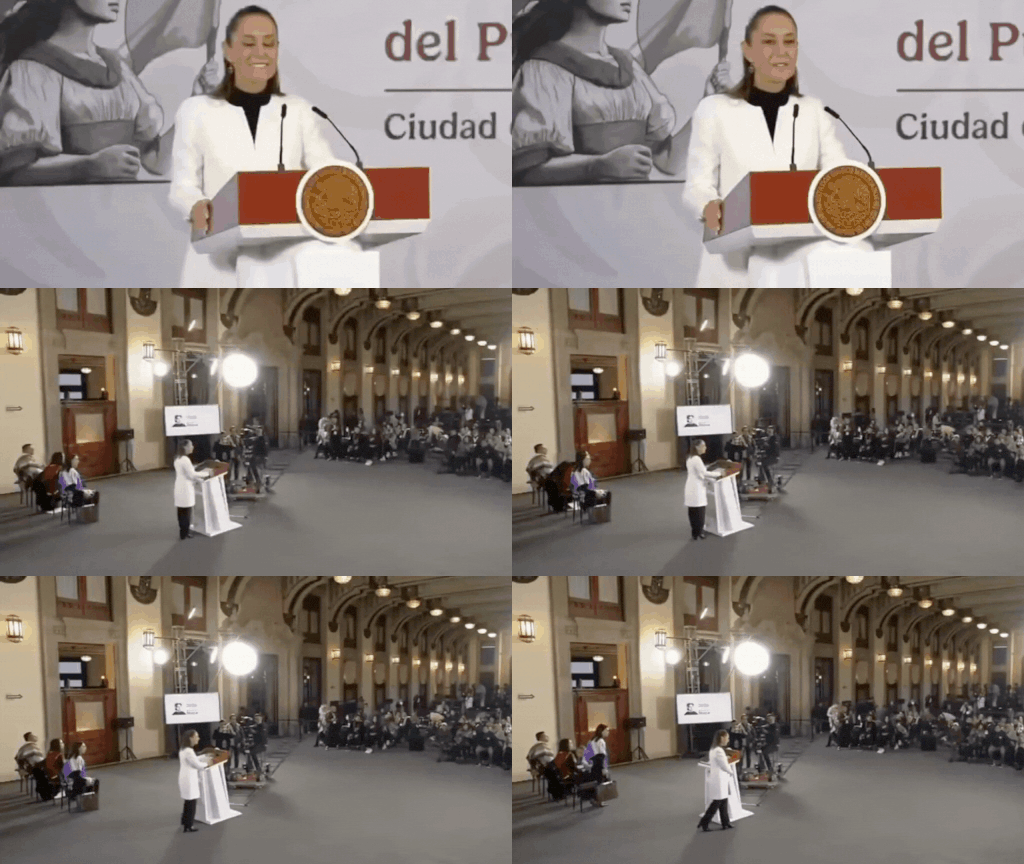
The January 2 earthquake, which had a depth of approximately 35 kilometers, struck at 13:58 UTC, just before 14:00 local time. The quake was felt strongly in Mexico City, where President Claudia Sheinbaum was conducting a press briefing at the National Palace when the tremor hit, forcing an immediate evacuation of the building and the suspension of her address. Reports indicate that the early warning systems played a crucial role in alerting residents about the impending earthquake, allowing many to take cover before the shaking began. Fortunately, initial assessments suggest that there were no major injuries or casualties reported, although some infrastructure damage, including fallen traffic lights and minor building cracks, has been documented in the capital (Times of India, Excélsior).
In the aftermath of the earthquake, Mexico's Civil Protection agency activated emergency protocols across eight states, reflecting the nationwide concern about potential aftershocks and the need for preparedness (El Universal).
Earlier on December 30, 2025, a smaller but notable 2.9 magnitude earthquake was reported 48 kilometers east-southeast of Golfo de Santa Clara at a depth of 5.7 kilometers. This event set the stage for the subsequent quakes, as seismic activity in the region has been closely monitored due to Mexico's location along the Pacific Ring of Fire, which is known for its high levels of tectonic activity (Yle News).
The January 2 event has registered numerous aftershocks, with reports indicating that residents in Mexico City and surrounding areas were rattled by at least 151 tremors following the main quake. These aftershocks have further heightened anxiety among the population, leading to increased vigilance and safety measures (López-Dóriga).
In response to the seismic activity, local authorities are assessing potential damages and ensuring that emergency services are on standby. While President Sheinbaum reported that there were no serious injuries or structural collapses in Guerrero, the government has urged citizens to remain cautious and prepared for any future seismic events (Excélsior).
Conclusion
As Mexico continues to navigate the challenges posed by recent seismic activity, the government's quick response and the effectiveness of early warning systems have proven crucial in minimizing risks to public safety. However, the situation remains fluid, and ongoing monitoring of seismic activity is essential to ensure the safety of residents across the region.