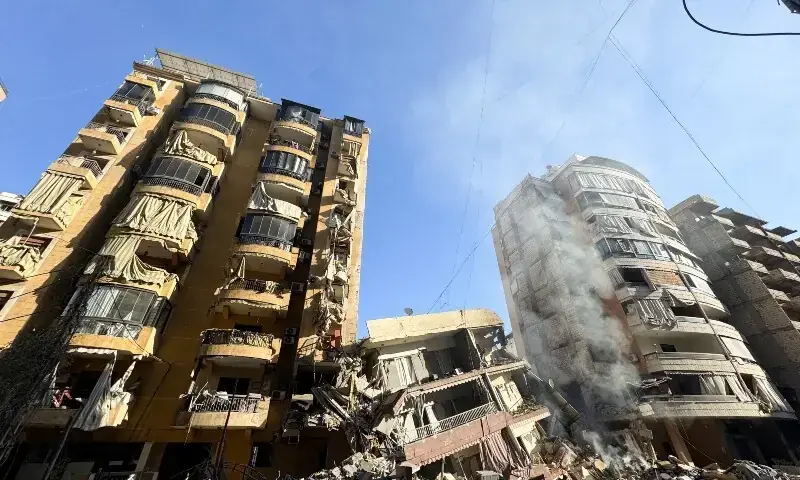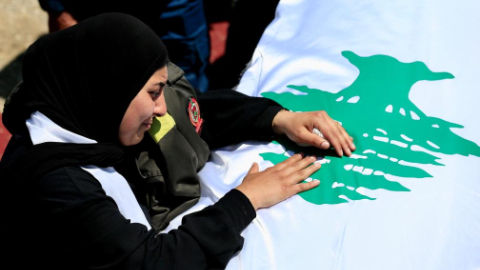

Strikes in Lebanon: At least seven killed in Israeli airstrikes on southern regions.
At least seven people were killed in Israeli airstrikes on southern Lebanon, despite a reported ceasefire.[1] This incident marks a significant escalation in a strike Lebanon has endured amid ongoing tensions, with reports highlighting the deaths occurring in the southern regions.[1][3] Nearly 2,600 people have been killed in Israeli attacks in Lebanon since March 2, with more than 8,000 injured, according to the Lebanese Health Ministry.[2] Lebanon's president has urged international pressure on Israel to halt attacks on civilians and medics, citing ongoing violations of the ceasefire.[4] Israeli strikes in southern Lebanon have been reported, with claims that they targeted areas potentially involving civilians rather than only Hezbollah fighters.[5] The Lebanese government has highlighted escalations in Israeli attacks and threats, including strikes on medics and aid workers.[3][4]
Recent Airstrikes in Southern Lebanon
The most recent Israeli airstrikes in southern Lebanon have resulted in significant casualties, underscoring the intensity of military operations in the region despite announcements of a ceasefire.[1][3] According to updates from Xinhua, at least seven individuals were killed in these airstrikes targeting southern Lebanon.[1] This figure aligns with broader reporting from Al Jazeera, which detailed that Israel killed nine people in southern Lebanon under similar circumstances, even as a ceasefire was purportedly in effect.[3] These strikes represent a continuation of aerial operations that have persisted in the area, contributing to immediate human losses and raising questions about the timing and adherence to truce agreements.[1][3]
Details from the reports emphasize the rapid nature of the updates, with Xinhua providing real-time confirmations of the death toll from the airstrikes.[1] Al Jazeera's coverage further contextualizes these events within a pattern of escalated Israeli attacks and threats specifically in southern Lebanon, noting the Lebanese government's direct response in calling out these actions as ceasefire violations.[3] The strikes' occurrence in southern regions, a hotspot for cross-border activities, highlights the localized impact on communities there, where airstrikes have repeatedly struck despite de-escalation efforts.[1][3] This recent bout of violence serves as a stark reminder of the fragility of ceasefires in the area, with casualties mounting quickly in the affected zones.[1][3]
Overall Casualties from Israeli Attacks
Since March 2, Israeli attacks in Lebanon have led to nearly 2,600 deaths and more than 8,000 injuries, as reported by the Lebanese Health Ministry.[2] These figures provide critical context for the scale of the conflict, illustrating a sustained toll on the population over several months.[2] Anadolu Agency's reporting draws directly from official Lebanese health data, confirming the precision of these numbers and their reflection of the cumulative impact of airstrikes and related military actions.[2]
The casualty statistics encompass a wide range of incidents across Lebanon, with the majority linked to Israeli operations that have intensified over time.[2] The high number of injuries—exceeding 8,000—points to the broader humanitarian consequences, including long-term medical needs and disruptions to daily life in affected areas.[2] Lebanese Health Ministry tallies such as these are routinely cited in regional reporting to quantify the human cost, offering a baseline for understanding the conflict's progression since early March.[2] When viewed against isolated events like the recent southern strikes, these overall numbers underscore a pattern of persistent aerial campaigns that have exacted a heavy price on Lebanon.[2]
Ceasefire Violations and Escalations
Reports indicate ongoing Israeli attacks in southern Lebanon despite a ceasefire, with the Lebanese government accusing Israel of violations.[3][4] Al Jazeera has documented these incidents, noting that Israeli actions, including escalated threats, continue unabated even after ceasefire declarations.[3] This persistence has prompted strong responses from Lebanese authorities, who view the strikes as direct breaches of agreed-upon halts in hostilities.[3]
Further escalation is evident in the nature of the attacks, which have included operations against medics and aid workers, as highlighted by Lebanon's President Joseph Aoun.[4] Anadolu Agency reports that Aoun has specifically called attention to these strikes on civilians and medical personnel, emphasizing that such actions defy the ceasefire framework.[4] The Lebanese government's statements frame these events as part of a broader pattern of non-compliance, with threats and airstrikes maintaining pressure on southern regions.[3][4] This dynamic complicates peace efforts, as repeated violations erode trust in diplomatic arrangements and prolong instability.[3][4]
Debate on Targets of the Strikes
Uncertainty surrounds whether recent Israeli strikes in southern Lebanon primarily hit civilians or Hezbollah fighters, fueling debate over the operations' intent and precision.[5] Al Jazeera's analysis questions the official Israeli narrative that the strikes targeted Hezbollah, with experts cited arguing that available evidence suggests otherwise.[5] The article refers to the events as Lebanon's "Black Wednesday," a term capturing the severity and controversy of the day’s military actions.[5]
Israel maintains that its operations were directed at Hezbollah positions, a claim central to its defense of the strikes.[5] However, counterarguments from experts point to inconsistencies in the evidence, implying potential impacts on civilian areas.[5] This debate extends to the broader context of southern Lebanon strikes, where distinguishing between military targets and populated zones remains challenging amid dense terrain and integrated militant presence.[5] Such discussions highlight the complexities of urban warfare in the region, where claims from both sides often diverge sharply.[5]
Calls for International Action
Lebanon's president has made a direct appeal for global pressure on Israel to cease attacks on civilians and medics.[4] Joseph Aoun's statements, as covered by Anadolu Agency, stress that these assaults continue despite the ceasefire, including specific incidents involving medics and aid workers.[4] This call underscores the Lebanese leadership's frustration with unchecked escalations and seeks broader diplomatic intervention to enforce compliance.[4]
Aoun's urging represents an official push for international involvement, positioning the issue as one requiring external accountability to protect non-combatants.[4] By highlighting strikes on humanitarian personnel, the president's remarks aim to galvanize support and spotlight violations that transcend local borders.[4] These appeals fit into ongoing narratives of ceasefire fragility, where Lebanese officials advocate for mechanisms to halt persistent military actions.[4]
What to watch next: Monitor potential further escalations in Israeli attacks on southern Lebanon and responses from the Lebanese government, including continued calls for international pressure amid claims of ceasefire violations.[3][4]