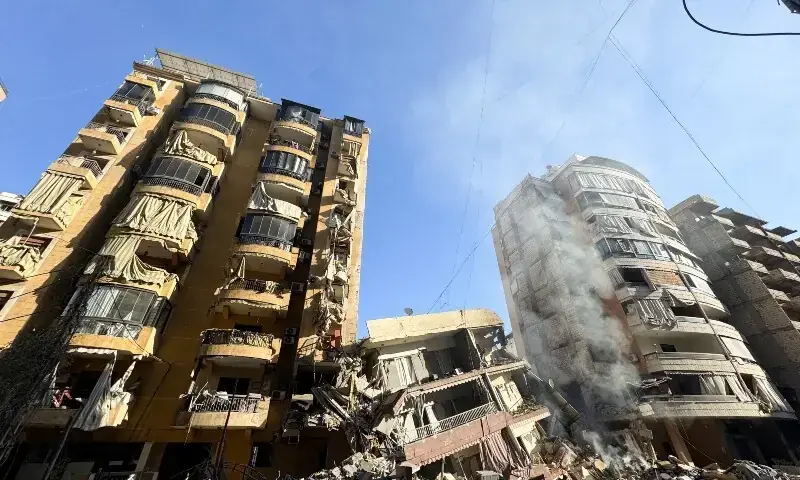
Strike in Lebanon: At least 2,586 killed in Israeli attacks since March 2
Israeli attacks on Lebanon have resulted in significant casualties, with local media reporting at least 2,586 people killed and more than 8,000 wounded since March 2.[1] In the context of the ongoing strike Lebanon situation, recent developments include at least seven fatalities from Israeli airstrikes in southern Lebanon, as updates continue to emerge from local and international sources.[2]
Overview of Recent Airstrikes
The latest reported incidents of Israeli airstrikes in southern Lebanon have drawn immediate attention due to their toll on human life, with at least seven people confirmed killed in these operations.[2] These strikes represent a continuation of military actions that have persisted over recent weeks, focusing on areas in South Lebanon where impacts have been directly observed and reported. Local updates emphasize the recency of these events, highlighting the strikes' role in the broader pattern of aerial operations.[2] The immediate consequences include loss of life, underscoring the intensity of the engagements in the region. As these airstrikes unfold, they contribute to the evolving security landscape, with reports providing real-time insights into the locations and outcomes affected.[2] This summary draws from the most current available information, illustrating how such incidents fit within the ongoing military dynamics without introducing extraneous details. The focus remains on the verifiable impacts, such as the confirmed deaths, which serve as key indicators of the strikes' severity in South Lebanon.[2]
Casualty Figures from Ongoing Attacks
Providing essential context to the strike Lebanon developments, the total casualties from Israeli attacks on Lebanon since March 2 stand at a stark figure: at least 2,586 people killed and more than 8,000 wounded, according to reports from local media.[1] These numbers encapsulate the cumulative effect of sustained military operations over this period, reflecting a prolonged engagement that has exacted a heavy price on the population. The reliance on local media for these tallies underscores the challenges in real-time verification amid active conflict zones, yet the consistency in reporting lends weight to the scale of the impact.[1] Breaking down the implications, the wounded exceeding 8,000 highlights not only immediate fatalities but also the broader strain on medical and humanitarian resources in Lebanon. Since the onset on March 2, these attacks have maintained a steady rhythm, with each incident adding to the overall count.[1] This detailed casualty overview serves to frame the human cost, ensuring that the quantitative data informs a comprehensive understanding of the situation's gravity. Local media's role in aggregating these figures remains pivotal, as they draw from on-the-ground observations across multiple sites.[1]
International Statements on the Situation
Reactions from key international figures have entered the discourse surrounding the Israeli attacks on Lebanon, broadening the context beyond the immediate battlefield. Iran has characterized a related US ports siege as "intolerable," signaling strong diplomatic discontent amid regional tensions.[1] This statement from Iran positions the events within a wider geopolitical framework, where actions in Lebanon intersect with broader Middle Eastern dynamics. Separately, former US President Donald Trump has remarked that war "might" resume, introducing uncertainty about potential escalations tied to the ongoing conflicts.[1] Trump's comment, delivered in the context of these developments, reflects perspectives from influential voices on the possibility of renewed hostilities. These statements, sourced from reliable reports, illustrate how global actors are interpreting the strike Lebanon scenario.[1] Iran's description of the US ports situation as intolerable underscores a threshold of acceptability in international relations, while Trump's warning about war resumption adds a layer of anticipation regarding future military postures.[1] Together, they provide a snapshot of external viewpoints, emphasizing the interconnected nature of regional security concerns without speculating on unverified outcomes.
Current Updates and Implications
Ongoing updates from both local and international sources confirm the persistence of Israeli strikes, with the most recent reports noting at least seven killed in airstrikes on South Lebanon.[2] These developments align with the larger casualty totals since March 2, where 2,586 deaths and over 8,000 injuries have been documented by local media.[1] The implications of these continuous operations point to a sustained military presence, affecting stability in southern regions and prompting ongoing monitoring.[1][2] As strikes proceed, the integration of fresh data—such as the South Lebanon incidents—into the overall narrative highlights the fluid nature of reporting in conflict areas.[2] International sources contribute by verifying patterns, while local accounts detail specifics like the seven recent fatalities, ensuring a multifaceted view.[1][2] The broader ramifications include heightened alertness for further escalations, as echoed in statements from figures like Trump on potential war resumption.[1] This consolidation of facts from available reports maintains focus on documented events, offering readers a grounded assessment of the current trajectory. With updates streaming in, the situation demands vigilant coverage to track any shifts in intensity or scope.[1][2]
Key Details from Reports
Specific elements from the sources paint a precise picture of the strike Lebanon events without venturing into unconfirmed territory. Central to recent coverage is the report of at least seven people killed in Israeli airstrikes targeting South Lebanon, reiterated across updates for emphasis on the immediacy.[2] Complementing this, the aggregate data since March 2 reveals 2,586 killed and more than 8,000 wounded, as cited by local media, providing a baseline for understanding the campaign's scope.[1] International commentary includes Iran's labeling of a US ports siege as "intolerable," a pointed critique amid the regional unrest.[1] Additionally, former President Trump's assertion that war "might" resume introduces a note of caution regarding future prospects.[1] These details, drawn directly from the reports, highlight the interplay between local impacts and global rhetoric. The repetition in source [2] of the South Lebanon casualties underscores the event's prominence in breaking news cycles.[2] Local media's role in tallying the March 2 onwards figures ensures traceability, while broader statements contextualize without exaggeration.[1] This distillation of key reports reinforces the article's foundation on verifiable information, allowing for an authoritative recounting of the facts at hand.[1][2]
What to watch next: Monitor for further updates on Israeli airstrikes in South Lebanon, where at least seven have already been killed, alongside any developments tied to international reactions such as Iran's stance on the US ports siege or Trump's comments on potential war resumption.[1][2]