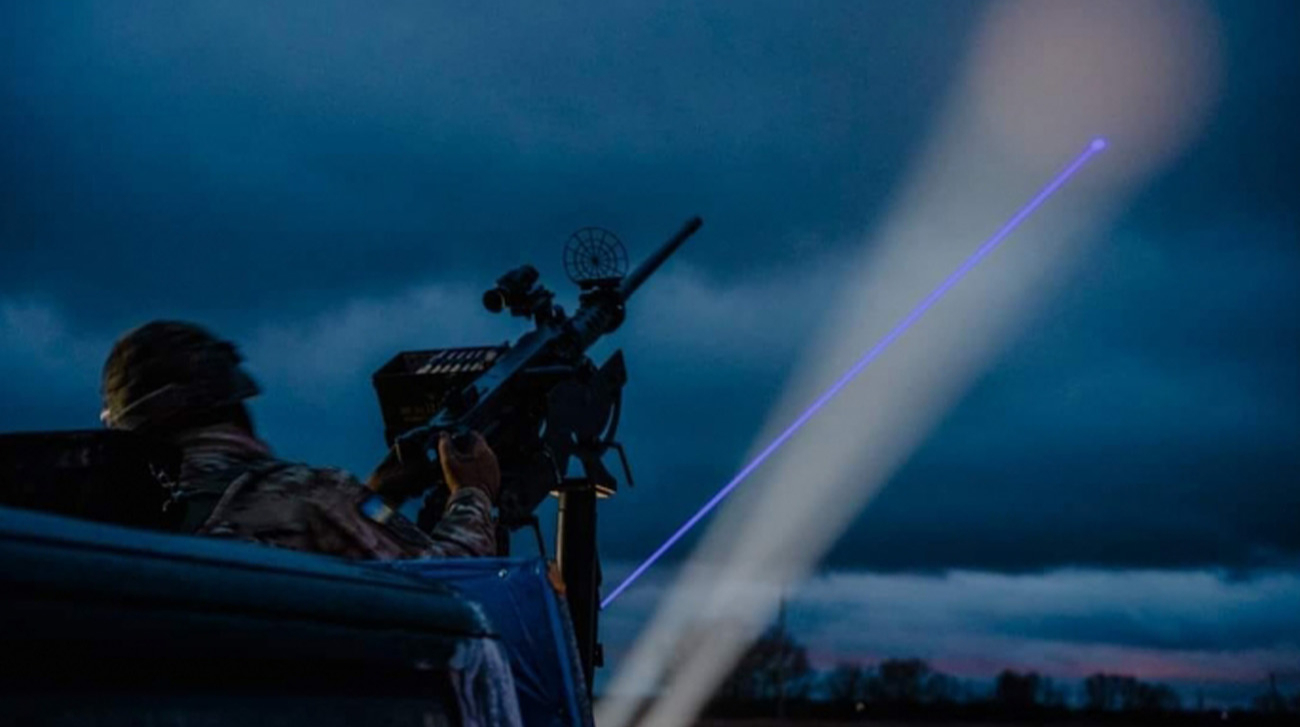

Strike Ukraine: Russia Launches 144 Drones in Overnight Attack
Russia launched a major strike Ukraine operation using 144 drones, targeting multiple cities overnight and resulting in at least 10 deaths across affected regions.[1][2]
Overview of Russian Attacks
Russian military actions against Ukraine on the night of 25-26 April involved a significant deployment of 144 drones, marking one of the larger-scale aerial assaults in recent weeks.[1] These attacks extended to various parts of the country, with confirmed strikes recorded in locations such as Chernihiv and other cities, demonstrating a broad geographical scope.[1] The operations combined drone incursions with additional missile strikes in certain areas, particularly intensifying around southeastern Ukraine.[2] Reports indicate that these assaults unfolded in waves, suggesting a coordinated effort to overwhelm defenses and maximize impact across multiple fronts.[2] In Dnipro specifically, the city faced at least three separate attacks overnight and into the day, underscoring the sustained nature of the barrage.[2] This pattern aligns with broader trends in the ongoing conflict, where Dnipro has emerged as a repeated target over more than four years of hostilities.[2] The use of drones in such volume highlights Russia's reliance on unmanned aerial vehicles for remote strikes, allowing for persistent pressure without risking manned aircraft.[1] Overall, these actions reflect a strategy of attrition through repeated aerial campaigns, testing Ukrainian resilience across urban centers.[1][2]
Details of Drone Strikes
The scale of the drone strikes was substantial, with Russia launching 144 drones in total during the specified night.[1] Ukrainian monitoring confirmed strikes in Chernihiv and additional cities, including Dnipro, where the impacts were particularly severe.[1][2] In Dnipro, the assaults incorporated not only drones but also missiles, delivered in successive waves that hammered the city and surrounding regions.[2] One notable incident involved the downing of a drone, captured amid the major Russian attack, illustrating the intensity of the engagement in real time.[3] These strikes caused significant disruption, with structural damage reported in residential areas.[2] The apartment building in Dnipro suffered a large chunk collapsing from the initial overnight strike, pointing to the destructive power of the munitions employed.[2] The multi-wave approach in Dnipro—spanning overnight hours and daytime—allowed for prolonged exposure, potentially aiming to exploit gaps in defensive coverage.[2] Such tactics have become a hallmark of recent Russian operations, using sheer numbers to saturate airspace and increase the likelihood of breakthroughs.[1] The involvement of 144 drones alone represents a considerable logistical effort, involving launch sites likely positioned along Ukraine's borders or within occupied territories.[1]
Casualties and Damage in Affected Areas
The human toll from the strikes was stark, with a total of 10 people killed across Dnipro and other areas.[2] In Dnipro, the southeastern hub repeatedly targeted in the war, eight individuals lost their lives, while 49 others sustained injuries.[2] Regional Governor Oleksandr Hanzha provided these figures, emphasizing the city's vulnerability as a focal point in over four years of conflict.[2] The injuries likely stemmed from the combination of blast effects, debris, and secondary impacts from collapsing structures.[2] A particularly devastating outcome was the collapse of a large section of an apartment building during the first overnight strike on Dnipro, which would have endangered numerous residents and complicated rescue efforts.[2] Dozens more were injured in the broader regional attacks, reflecting the indiscriminate reach of the drone and missile barrages.[2] These casualties underscore the civilian exposure in urban settings, where dense populations amplify the consequences of precision-guided or area-effect weapons.[2] The repeated nature of strikes on Dnipro—three confirmed waves—exacerbated the damage, turning what might have been isolated incidents into a cumulative tragedy.[2]
Ukrainian Defense Response
Ukrainian air defenses demonstrated considerable effectiveness against the Russian drone onslaught, neutralizing 124 out of the 144 drones launched on the night of 25-26 April.[1] This success rate—over 85%—involved a combination of shoot-downs and electronic jamming, critical tactics in countering low-flying, slow-moving targets like Shahed-type drones commonly used by Russia.[1] The moment a drone was shot down during the major attack was documented, providing visual evidence of the active interceptions taking place amid the chaos.[3] Such defensive measures relied on a layered system including mobile units, radar detection, and possibly Western-supplied systems integrated into Ukraine's network.[1] By jamming signals, defenses disrupted drone navigation and control links, forcing many to crash or veer off course without reaching targets.[1] This performance highlights ongoing improvements in Ukraine's aerial protection capabilities, honed through repeated engagements.[1] The fact that 20 drones either evaded or impacted suggests areas for further enhancement, but the overall tally prevented potentially far greater destruction.[1]
Broader Strike Incidents
Beyond the core drone assault, strikes extended to multiple regions, with Chernihiv confirming impacts alongside Dnipro and others.[1][2] The attacks on Dnipro incorporated missiles alongside drones, broadening the threat profile and requiring multifaceted defensive responses.[2] Regional authorities noted the southeastern city's subjection to at least three waves, a pattern that spilled over to other areas, contributing to the total of 10 deaths.[2] This multi-location strategy disperses defensive resources, challenging Ukraine's ability to concentrate air defenses.[1][2] Chernihiv's inclusion points to northern exposure, while Dnipro's southeastern position covers key industrial and logistical nodes.[1][2] The documented downing of a drone fits into this wider canvas of incidents, where individual intercepts contribute to the larger tally of neutralized threats.[3] Over four years, Dnipro's status as a repeated target illustrates a persistent Russian focus on infrastructure-heavy zones.[2] These broader patterns reveal an evolving aerial campaign, blending volume with variety to probe weaknesses across Ukraine's front lines.[1][2]
What to watch next: Ukrainian air defenses will continue monitoring for follow-up drone and missile waves, particularly in repeatedly targeted cities like Dnipro, as Russia maintains pressure through sustained aerial operations.[1][2]






