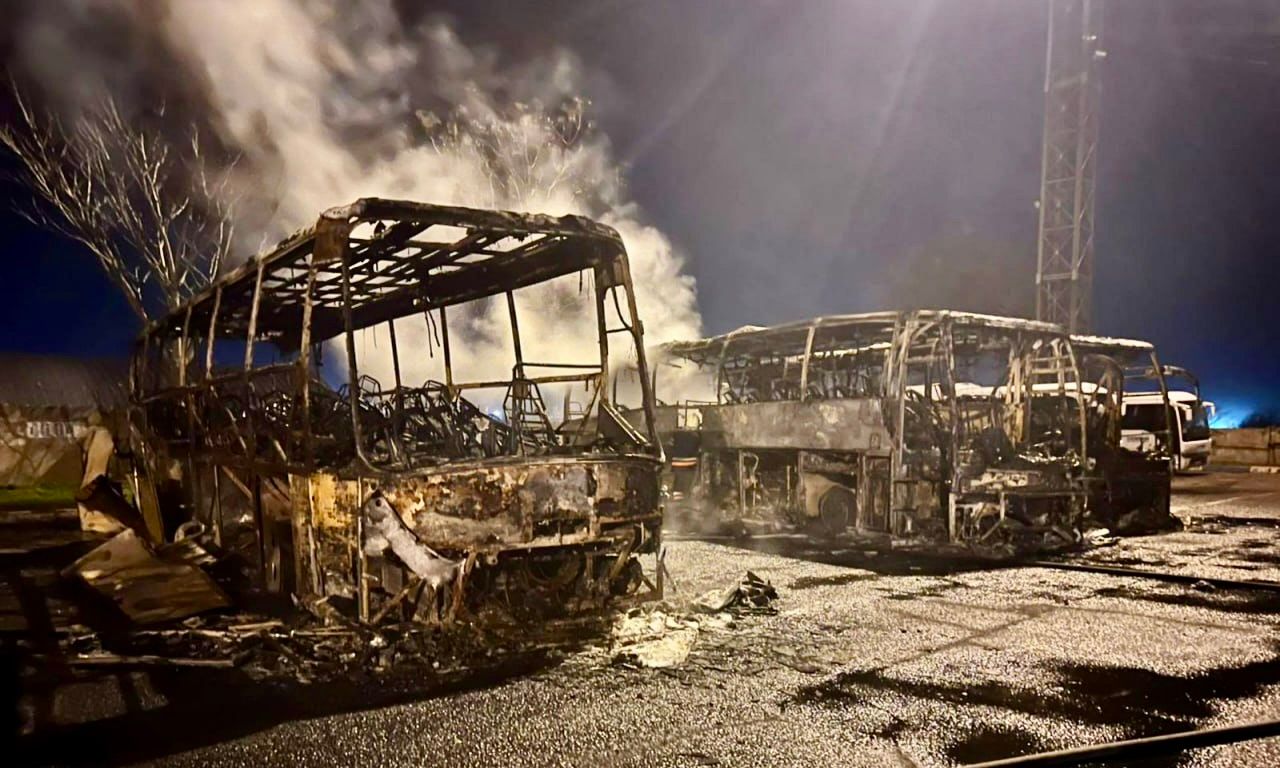

Strike Ukraine: At least 1 killed in Russian attacks across the country
At least one person was killed and 26 others were injured in Russian attacks across Ukraine over the past day, according to reports from the Kyiv Independent.[1] This development underscores the intensifying pattern of strike Ukraine exchanges, with both sides reporting significant military actions targeting infrastructure and military assets. Ukrainian forces, in response, have conducted operations against Russian ports and industrial facilities, as covered by the Straits Times,[2] while Russia struck a port and power facility in Ukraine overnight.[3] Additional Ukrainian special operations have targeted classified Russian bases and artillery concentrations, per Ukrainska Pravda.[4][5]
Overview of Recent Strikes in Ukraine
The recent wave of military engagements between Russia and Ukraine highlights a reciprocal pattern of strikes on critical infrastructure and military positions. Over the past day, Russian forces carried out attacks across Ukraine, resulting in at least one fatality and 26 injuries, as documented by the Kyiv Independent.[1] These incidents reflect the ongoing intensity of the conflict, where civilian and infrastructural targets continue to bear the brunt of hostilities.
On the Ukrainian side, strikes were reported on a Baltic Sea port and industrial sites along the Volga River, according to the Straits Times.[2] These targets suggest a focus on disrupting Russian logistics and industrial capabilities far from the front lines. Concurrently, Russia targeted a port and a power facility in Ukraine during an overnight operation, also reported by the Straits Times.[3] This exchange illustrates the broadening scope of the conflict, extending to maritime and energy infrastructure on both sides.
Further details emerge from Ukrainian special forces operations, including a strike on Russia's classified Rubicon base near Mariupol. Ukrainska Pravda reported that units from the Special Operations Forces of Ukraine (SOF) hit the logistics base for Russia's secret Rubicon unmanned technology center in occupied Manhush, Donetsk Oblast, on the night of 16-17 April.[4] This action targeted a key hub for unmanned systems development and logistics. Additionally, a unit from Ukraine's National Guard, known as Lasar's Group, reported strikes on Russian Smerch heavy artillery systems concentrated in Luhansk Oblast.[5] The Smerch systems are 300mm multiple-launch rocket systems (MLRS), capable of delivering devastating firepower deep into enemy territory.
This overview sets the stage for understanding the strategic tit-for-tat nature of these strike Ukraine operations. Ports, power facilities, industrial sites, and specialized military bases represent high-value targets that could influence supply chains, energy supplies, and technological advancements in the conflict. The reports from multiple outlets—Kyiv Independent,[1] Straits Times,[2][3] and Ukrainska Pravda[4][5]—provide a cross-verified picture of events unfolding over a compressed timeframe, emphasizing the rapid escalation and response cycles. Analysts note that such strikes on rear-area assets aim to degrade long-term operational capacity, forcing the opposing side to divert resources for defense and repairs. The involvement of elite units like Ukrainian SOF and National Guard indicates precise, intelligence-driven operations rather than broad bombardments.
Russian Military Actions Against Ukraine
Russian military actions have focused on key Ukrainian infrastructure, with overnight strikes hitting a port and a power facility, as detailed in the Straits Times.[3] These targets are vital for Ukraine's logistics and energy sector, potentially disrupting trade, transportation, and electricity supply in affected regions. The broader context of Russian attacks over the past day includes widespread operations across Ukraine, leading to significant human costs: at least one person killed and 26 injured, according to the Kyiv Independent.[1]
The port strike likely aimed at hampering Ukraine's maritime capabilities, which are crucial for both commercial and military logistics amid the conflict. Ports serve as gateways for imports, exports, and potentially military aid convoys, making them strategic chokepoints. Similarly, the power facility attack underscores Russia's pattern of targeting energy infrastructure, which could lead to cascading effects on civilian life, industry, and military readiness. Reports do not specify the exact locations of these strikes, but their overnight timing suggests an intent to maximize surprise and minimize interception risks.
Complementing these details, the Kyiv Independent's coverage emphasizes the human toll, with injuries and a confirmed death highlighting the risks to non-combatants in areas under attack.[1] This aligns with previous patterns where Russian strikes have impacted populated regions, straining Ukraine's medical and emergency response systems. The Straits Times report on the port and power facility provides a snapshot of tactical precision, possibly involving missiles or drones calibrated for infrastructure damage.[3] In the context of the wider strike Ukraine dynamic, these actions appear designed to impose economic pressure and logistical strain, compelling Ukraine to allocate resources to immediate recovery rather than frontline advances.
The cumulative impact of these Russian operations, as pieced together from available sources, reveals a strategy of sustained pressure on Ukraine's backbone sectors. While casualty figures from the Kyiv Independent offer a human dimension,[1] the infrastructure focus from the Straits Times points to longer-term attrition goals.[3]
{IMAGE_2}
Ukrainian Strikes on Russian Targets
Ukrainian forces have mounted counteroffensives deep into Russian territory and occupied areas, striking a Baltic Sea port and industrial sites along the Volga River, per the Straits Times.[2] The Baltic Sea port, likely a critical node for Russian naval and commercial shipping, represents a bold extension of Ukrainian reach, potentially involving long-range missiles or drones. Industrial sites on the Volga River, a major waterway in Russia's heartland, could include facilities supporting military production or energy transport, disrupting supply chains essential for the war effort.
These strikes complement other reported Ukrainian operations against Russian military assets. The involvement of special forces and National Guard units demonstrates Ukraine's capability for asymmetric warfare, targeting high-value assets beyond the immediate front lines. The Straits Times coverage positions these as part of a broader retaliatory framework, responding to Russian advances and infrastructure attacks.[2]
In parallel, Ukrainian special operations have hit Russia's classified Rubicon base, with SOF units striking its logistics hub in occupied Manhush, Donetsk Oblast, on 16-17 April, as reported by Ukrainska Pravda.[4] This base supports Russia's secret unmanned technology center, focusing on drone and autonomous systems development—a cornerstone of modern warfare tactics. A National Guard unit, Lasar's Group, also reported strikes on concentrated Smerch 300mm MLRS in Luhansk Oblast, deep in Russian-controlled rear areas.[5] Destroying or damaging these rocket systems neutralizes a potent threat capable of saturating Ukrainian positions with cluster munitions or high-explosive warheads.
These Ukrainian strikes on Russian targets illustrate a strategy of preemption and degradation, aiming to hobble enemy logistics, production, and firepower. The geographic spread—from Baltic ports to Volga industries and Donetsk bases—shows operational depth, leveraging intelligence for precision. Sources like the Straits Times[2] and Ukrainska Pravda[4][5] confirm the execution and targets, underscoring Ukraine's growing proficiency in long-range engagements.
Specific Operations and Outcomes
Particular Ukrainian operations provide granular insights into the conflict's tactical evolution. The strike on Russia's classified Rubicon base stands out, with Special Operations Forces (SOF) targeting the logistics base for the secret Rubicon unmanned technology center in occupied Manhush, Donetsk Oblast, during the night of 16-17 April, according to Ukrainska Pravda.[4] This facility's role in supporting unmanned systems—likely drones used for reconnaissance, strikes, and electronic warfare—makes it a priority target. Disrupting its logistics could delay Russian deployment of advanced UAVs, affecting battlefield surveillance and precision attacks. Video evidence accompanying the report suggests successful hits, though exact damage assessments remain unverified beyond the initial claim.
Similarly, fighters from the National Guard's Lasar's Group reported striking an area in Luhansk Oblast where Russian 300mm Smerch multiple-launch rocket systems were concentrated, deep in the Russian rear.[5] The Smerch, known for its 90km-plus range and ability to fire 12 rockets simultaneously, poses a severe threat to Ukrainian troop concentrations and infrastructure. Neutralizing these systems reduces Russia's capacity for area-denial barrages, potentially easing pressure on Luhansk front lines. The operation's location "deep in Russian rear" implies sophisticated insertion or standoff weaponry, highlighting the unit's effectiveness.
These specific outcomes, drawn from Ukrainska Pravda,[4][5] reveal the precision and audacity of Ukrainian special units. The Rubicon strike targets emerging tech threats, while the Smerch hits address immediate artillery dominance. In the strike Ukraine context, such operations force Russia to protect rear assets, stretching defenses and resources.
{IMAGE_3}
Casualties and Infrastructure Impacts
The human and material toll from recent Russian attacks is stark, with at least one person killed and 26 injured across Ukraine over the past day, as reported by the Kyiv Independent.[1] These casualties occurred amid widespread strikes, illustrating the diffuse nature of the assaults and their penetration into various regions. Injuries likely encompass a range of severities, placing additional burden on Ukraine's healthcare infrastructure already strained by prolonged conflict.
Russian strikes also targeted a port and power facility overnight, per the Straits Times,[3] exacerbating infrastructure damage. Ports facilitate essential goods movement, and their disruption hampers economic activity and potential military resupply. Power facilities, critical for electricity generation and distribution, when hit, can lead to blackouts affecting homes, hospitals, and industries. The Kyiv Independent's casualty figures contextualize these impacts, showing direct links between infrastructure targeting and civilian harm.[1]
While Ukrainian strikes' outcomes focus on military targets without reported Russian casualties in the sources, the reciprocal damage underscores mutual infrastructure vulnerabilities. The Straits Times details on Russian hits[3] paired with Kyiv Independent's human cost data[1] paint a picture of asymmetric yet interconnected effects: Ukraine suffers immediate losses, while Russian assets face long-term degradation.
What to Watch Next
Monitor developments around Ukrainian ports, power facilities, and Russian rear-area bases like Rubicon and Smerch concentrations, as ongoing strike Ukraine operations could escalate with further retaliatory actions on logistics hubs and industrial sites reported in recent sources.[1][2][3][4][5] Reports of special forces strikes and overnight infrastructure hits suggest intensified exchanges in the coming days.






