

Strike Russia: Drone Attack Hits Baltic Sea Port
Ukraine conducted drone strikes on Russian infrastructure in a significant escalation, targeting a key Baltic Sea port and two shadow fleet tankers, as part of broader operations against Russia's oil export capabilities and military assets. These strikes on Russia, confirmed by Russian regional governors and Ukrainian officials including President Volodymyr Zelenskyy, highlight Ukraine's ongoing use of unmanned systems to challenge Russian logistics and defenses.[1][2]
Overview of Recent Strikes
Ukraine's recent drone operations represent a coordinated wave of attacks aimed at critical Russian infrastructure, focusing on energy export facilities and military installations. Reports indicate that Ukrainian forces launched strikes against Russia's oil export infrastructure, including a major loading port on the Baltic Sea and vessels associated with illicit oil transport.[2] This operation unfolded on Sunday, involving nighttime drone assaults that ignited fires at key sites, underscoring the precision and reach of Ukraine's unmanned capabilities.[2]
The strikes extend beyond maritime targets to include Russian air defense systems in occupied territories, signaling a multifaceted strategy to degrade Russian operational advantages.[4] Russian governors acknowledged the impacts at the Baltic port, while Ukrainian leadership, including President Zelenskyy, publicly detailed the targeting of shadow fleet tankers near the Black Sea port of Novorossiysk.[1] These events, covered across multiple outlets, illustrate the intensifying drone warfare dynamic, where Ukraine employs long-range strikes to disrupt Russian economic lifelines tied to crude oil shipments.[1][2] The Primorsk port, a vital hub for Russian oil exports, was directly hit, with a drone strike sparking a blaze that local authorities confirmed.[1][2][5]
This overview captures the scope: maritime assaults on oil infrastructure and inland strikes on defenses, all verified through official statements and visual evidence released by Ukrainian commanders.[1][2][4] The operations demonstrate Ukraine's ability to project force across vast distances, from the Baltic Sea to the Black Sea region and occupied zones, challenging Russia's logistical backbone.[2]
Attack on Russian Baltic Port
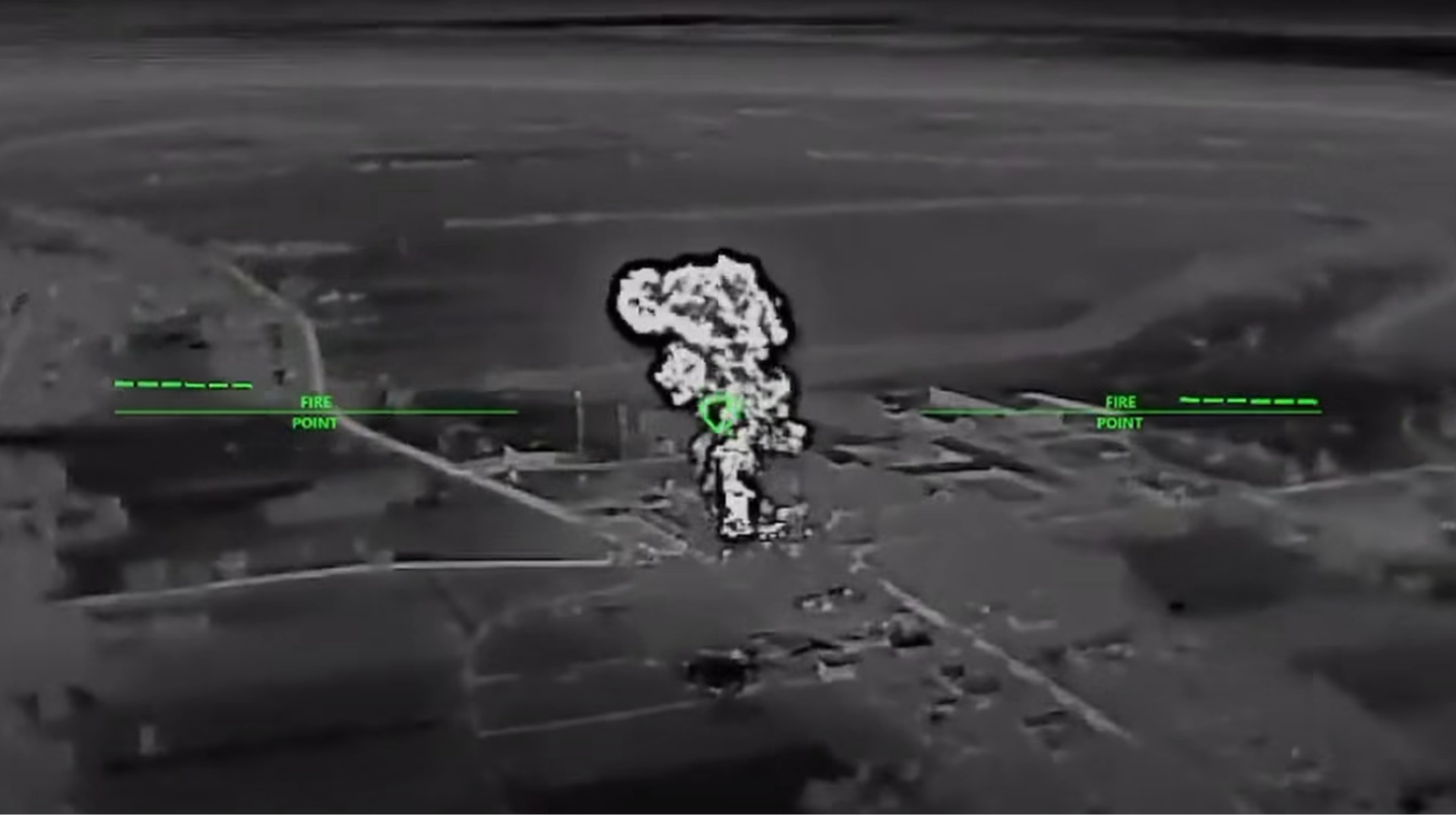
Ukrainian drones target Russian air defence systems in new strikes. — Source: ukrainskapravda
The drone strike on Russia's Primorsk port in the Baltic Sea marked a direct hit on one of the country's key oil-loading facilities, prompting immediate confirmation from the regional governor.[1][5] A nighttime drone assault ignited a blaze at the port, disrupting operations at this critical node in Russia's energy export network.[2] Primorsk, situated on the Baltic coast, serves as a primary terminal for loading Russian crude onto tankers, making it a high-value target in Ukraine's campaign against oil infrastructure.[2]
Reports detail how the Ukrainian drone attack penetrated defenses to strike the port, with the resulting fire visible and acknowledged by local Russian officials.[1][2][5] The governor's statement highlighted the incident's occurrence, aligning with broader accounts of Ukraine's wave of drone strikes launched against such strategic assets.[5] This event fits into a pattern of targeting ports essential for Russia's continued oil exports amid international sanctions, as the facility handles significant volumes of crude shipments.[2]
The immediate effects included the blaze that followed the drone impact, which Russian sources noted without specifying the extent of damage or disruptions to shipping schedules.[2] Ukraine's precision strikes at Primorsk underscore the vulnerability of Russia's Baltic Sea infrastructure, far from frontline areas, to long-range unmanned incursions.[1][2] Coverage from international outlets emphasized the port's role in oil loading, reinforcing its status as a linchpin in Moscow's energy trade.[2][5] These details, drawn from governor confirmations and eyewitness reports of the fire, paint a picture of a calculated strike designed to impede Russia's export machinery.[1][2]
Strikes on Shadow Fleet Tankers
Ukrainian forces targeted two shadow fleet tankers near the port of Novorossiysk, vessels Ukraine alleges are part of an illicit network transporting Russian crude oil.[1][2][3] The shadow fleet refers to tankers used to evade sanctions by carrying Russian oil exports, a practice Ukraine has repeatedly sought to disrupt through drone and other strikes.[2] President Volodymyr Zelenskyy confirmed the strikes on these two tankers, positioning the operation as a blow to Russia's sanction-circumventing maritime logistics.[1]
Novorossiysk, a major Black Sea port, serves as a hub for such vessels, which operate outside standard international shipping norms to facilitate crude shipments.[2][3] The Kyiv Independent reported the hits on these two Russian shadow fleet vessels specifically near the port, aligning with Zelenskyy's statements and broader coverage of the assault.[3] NewsMax detailed how Ukraine's strikes hit these tankers as part of a Sunday wave against oil infrastructure, emphasizing their alleged illegal role in crude transport.[2]
These tankers, integral to the shadow fleet, enable Russia to maintain oil revenues despite global restrictions, making them prime targets for Ukraine's drone forces.[2] The operation near Novorossiysk extended the strike Russia campaign to the Black Sea, complementing the Baltic assault and demonstrating multi-theater coordination.[1][2][3] Ukrainian claims portray the vessels as complicit in sanctions evasion, with the strikes aimed at neutralizing their capacity to load and transport Russian oil.[2] Confirmation from multiple sources, including Zelenskyy and independent reporting, validates the targeting of these specific assets, highlighting their strategic importance in the energy war.[1][3]
Targeting Russian Air Defence Systems
Ukraine's drone forces initiated a new wave of strikes on Russian air defense systems located in temporarily occupied territories, as evidenced by video footage released by military leadership.[4] Robert "Magyar" Brovdi, Commander of Ukraine's Unmanned Systems Forces, shared the video demonstrating the destruction of these systems, providing visual proof of the operation's success.[4] This marks a distinct phase in Ukraine's drone campaign, shifting focus from infrastructure to defensive military hardware that protects occupied areas.[4]
The strikes targeted air defense installations critical for shielding Russian positions, with the video capturing the impacts in real time.[4] Brovdi's release underscores the effectiveness of Ukraine's unmanned units in penetrating and neutralizing these systems, which are vital for maintaining control over occupied regions.[4] Ukrainska Pravda reported this as the beginning of a new wave, suggesting sustained operations against such targets to erode Russian aerial superiority.[4]
These actions in occupied territories represent an evolution in strike Russia tactics, combining with maritime hits to pressure multiple fronts.[4] The commander's video evidence details the destruction, offering rare on-the-ground confirmation of drone efficacy against sophisticated defenses.[4] This component of the broader offensive aims to create vulnerabilities in Russian-held areas, facilitating future Ukrainian advances or strikes.[4]
Official Reports and Confirmations
Official statements from both sides have confirmed the scope and impacts of Ukraine's drone strikes. Russian governors reported the hit on the Primorsk port, with the regional authority acknowledging the drone attack and resulting blaze.[1] President Volodymyr Zelenskyy detailed the strikes on the two shadow fleet tankers near Novorossiysk, framing them as targeted actions against Russia's oil export evasion tactics.[1]
Ukrainian military figures, including Unmanned Systems Forces Commander Robert "Magyar" Brovdi, released video evidence of strikes on air defense systems in occupied territories, verifying the new wave of operations.[4] These confirmations align across sources, with Al Jazeera noting governor and Zelenskyy inputs on the Baltic port and tankers.[1] Ukrainska Pravda's coverage of Brovdi's video adds authoritative validation to the air defense hits.[4]
The convergence of Russian admissions and Ukrainian disclosures provides a clear picture: drone strikes successfully engaged key infrastructure and defenses, as stated by principals involved.[1][4]
What to watch next: As Ukraine's drone forces continue their new wave of strikes on Russian air defense systems and oil infrastructure, further confirmations from officials and potential Russian responses to port disruptions will shape the next developments in these operations.[2][4]