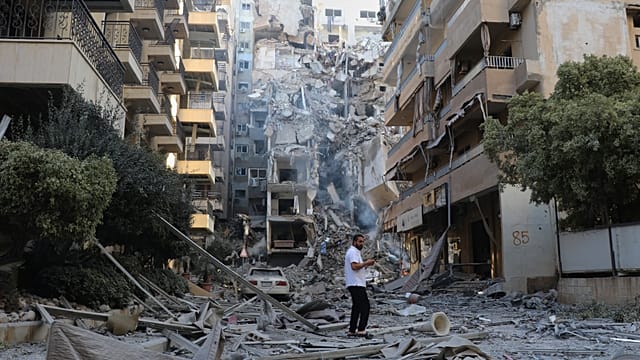

Strike Lebanon kills 14 in Beirut and southern attacks
Israeli strikes in Lebanon killed 14 people across multiple locations, including a second attack on Beirut since the April ceasefire. The operations struck both the capital and southern regions, prompting immediate assessments of the resulting destruction and renewed calls for de-escalation.
Strikes on Beirut and southern Lebanon
Israeli forces struck Beirut for the second time since the 17 April ceasefire and carried out numerous attacks across the south [5]. These operations formed part of a broader pattern of strikes that extended beyond the capital into areas such as Tyre. Reports indicate the strikes occurred amid heightened tensions, with Israeli forces widening their actions in Lebanon [2]. The timing followed weeks of reported clashes that tested the limits of the existing truce agreement.
Casualties and physical damage
The attacks across Lebanon resulted in 14 deaths, according to initial tallies from the strikes in Beirut and southern zones [5]. Residents of Tyre surveyed widespread destruction and cleared rubble after strikes hit the area [1]. The physical impact included extensive damage to buildings and infrastructure in the historic city, leaving visible signs of the recent bombardment. These outcomes were documented on 28 May as local teams began recovery efforts in the affected neighborhoods.

Israeli strikes damage buildings in Beirut and southern Lebanon, killing 14 people. — Source: thenewarab
Lebanese official response
Lebanese premier Nawaf Salam condemned the attacks on historic southern cities as collective punishment [3]. He called for an immediate ceasefire plus full Israeli withdrawal from Lebanon. The premier’s statements emphasized the need to halt further escalation and restore stability along the border regions. Officials framed the strikes as disproportionate measures that affected civilian areas and longstanding communities in the south.
Damage to heritage sites
Lebanon decried Israeli attacks damaging heritage sites [4]. Attacks damaged heritage sites in Tyre and other southern locations, according to statements from Lebanese authorities [1]. The strikes affected structures recognized for their historical value, raising concerns about the preservation of cultural landmarks in the region. Reports highlighted the impact on sites within Tyre, where residents observed the extent of harm to older buildings and monuments.

Residents clear rubble from buildings damaged by Israeli strikes in southern Lebanon. — Source: myjoyonline
Ceasefire context
Fighting with Hezbollah continued despite the April ceasefire [1]. The recent operations marked a widening of attacks on Lebanon even as diplomatic efforts involving Iran and other parties remained under discussion [2]. Israeli strikes in Lebanon took place against the backdrop of the 17 April agreement, which had aimed to reduce hostilities but has faced repeated challenges from ongoing clashes. Sources note that both the US and Iran appeared to have reached an understanding on related matters, though final approval had yet to be granted at the time of the strikes.
Residents survey destruction after strike lebanon
Residents of Tyre surveyed widespread destruction and cleared rubble after strikes hit the area [1]. Local teams worked to assess and remove debris from neighborhoods impacted by the bombardment. The efforts followed directly from the attacks that also reached Beirut, illustrating the geographic spread of the operations. These on-the-ground activities provided the first visual record of how the strikes altered daily life and the physical landscape in southern Lebanon.
What to watch next
Attention will remain on whether further strikes occur in Beirut or southern Lebanon and whether the April ceasefire can be reinforced through additional diplomatic steps.