
Strike Iran Targets MSC Sariska After Alleged US Attack on Iranian Vessel in Sea of Oman
The strike iran on the MSC Sariska vessel came as Tehran linked the action to an alleged US attack on an Iranian ship in the Sea of Oman. Revolutionary Guards described the operation as direct retaliation for that earlier incident and tied the vessel to US and Israeli interests. The move formed part of a broader sequence of exchanges that also included a reported strike on a US air base. These steps followed claims that Washington had targeted Iranian assets, prompting Iranian forces to respond in kind.
Iran has targeted a US air base and struck the vessel MSC Sariska, which it linked to the US and Israel, as retaliation for an alleged attack on an Iranian ship. Fresh attacks have strained ceasefire efforts and lifted oil prices. The sequence added another layer of uncertainty to an already tense situation in the Middle East.
Iranian Strikes on Vessel and Air Base
Revolutionary Guards stated the strike on MSC Sariska responded to an alleged US attack on an Iranian vessel in the Sea of Oman [2]. The Guards framed the operation as necessary to address the earlier incident and noted the vessel’s reported connections to US and Israeli entities. Separate reporting indicated that Iranian forces also targeted a US air base in the same wave of actions [3]. These moves were presented as measured responses rather than unprovoked escalation.
The reported strikes occurred amid ongoing regional friction. Iranian statements emphasized that the actions were tied directly to the protection of Iranian maritime interests following the Sea of Oman incident. Details released by the Guards highlighted the timing and location of the MSC Sariska operation as linked to the prior alleged US strike. Observers noted that such targeted responses fit a pattern of tit-for-tat measures that have characterized recent interactions.
US Strikes and Iranian Response
US strikes on Iranian targets were described as responses to Iranian actions intended to protect US personnel and interests [1]. Washington framed the operations as defensive steps taken after Iranian moves that were seen as threatening. Iran condemned the US strikes and responded with military action of its own, including the reported attacks on the vessel and air base. Each new exchange increased the risk of a wider conflict in a region that has seen more than its share of instability.
Iranian officials rejected the US rationale and pointed instead to the sequence beginning with the alleged attack on their vessel. The back-and-forth added complexity to diplomatic messaging, with both sides presenting their operations as protective. Mixed signals from the exchanges left open questions about whether further rounds would follow or whether channels for de-escalation remained viable.
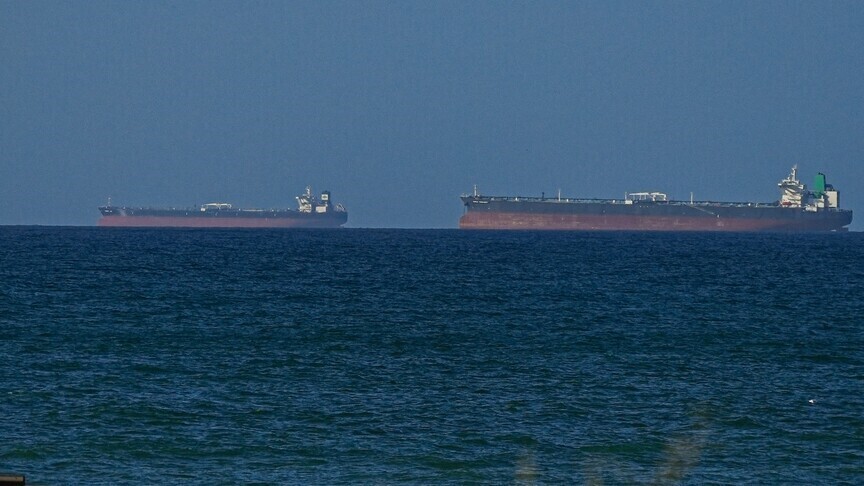
Iran struck MSC Sariska vessel linked to US and Israel after attack on Iranian ship. — Source: anadolu
Warnings Over Lebanon Strikes and Ceasefire
Iran warned that Israeli strikes on Beirut's southern suburbs threaten the ceasefire between Tehran and the US [4]. The warning followed Israeli prime minister orders for strikes on those areas in response to Hezbollah rocket and drone attacks on northern Israel [5]. Iranian statements tied the Lebanon operations to potential risks for the existing ceasefire arrangement with Washington.
Tehran positioned the Israeli actions as developments that could undermine the fragile understanding reached earlier. The warnings came as part of broader commentary on how operations in Lebanon intersect with US-Iran dynamics. Officials stressed that continued strikes in Beirut’s southern suburbs could complicate efforts to maintain the ceasefire terms.
Strike Iran Context in Regional Exchanges
The strike iran pattern extended beyond the vessel incident to include reported actions against the US air base. Iranian statements continued to link each step to prior US or allied moves, maintaining that responses were calibrated to specific incidents. This approach reflected Tehran’s stated policy of addressing perceived threats through direct countermeasures.
Further details from the Revolutionary Guards reinforced the connection between the MSC Sariska strike and the Sea of Oman event. The overall sequence illustrated how individual incidents can quickly feed into larger cycles of action and reaction. Reporting from multiple outlets captured the same core claims about the vessel’s alleged affiliations and the timing of the response.
Effects on Ceasefire Efforts and Oil Prices
Fresh attacks have strained ceasefire efforts and lifted oil prices [3]. The combination of the vessel strike, the air base action, and the Lebanon developments placed additional pressure on ongoing talks. Market reactions reflected concerns that sustained exchanges could disrupt energy routes and heighten volatility.
Iranian warnings about the Lebanon strikes added another variable to the ceasefire calculations. The cumulative effect of these events was described as increasing uncertainty across diplomatic and economic channels. Observers noted that any further escalation carried the potential to affect both the ceasefire framework and regional pricing dynamics.
Iran targets US air base amid attacks straining ceasefire efforts and lifting oil prices. — Source: gdelt
Broader Implications for Middle East Stability
Every new exchange increases the risk of a wider conflict in a region that has seen more than its share of instability [1]. The latest round involving the MSC Sariska and the US air base fit into this longer pattern of measured yet consequential moves. Iranian and US statements each presented their actions as necessary for protection, leaving limited room for immediate reconciliation.
The interplay between the vessel incident, the air base report, and the Lebanon warnings showed how separate fronts can converge on the same ceasefire question. Continued monitoring of statements from the Revolutionary Guards and US officials will remain central to assessing whether the current tensions ease or intensify.
What to watch next: Further statements from Revolutionary Guards on any additional responses, updates on Israeli operations in Beirut’s southern suburbs, and any shifts in oil price movements tied to the ceasefire strain.