
Strike Iran: Supreme Leader Mojtaba Khamenei Injured in U.S.-Israeli Attacks Requiring Surgery
U.S.-Israeli strikes on Iran have severely injured Iran's Supreme Leader, Mojtaba Khamenei, who requires plastic surgery and a prosthetic leg.[5] An Israeli soldier was wounded in a drone attack in southern Lebanon, with army data showing 735 soldiers injured since the Iran war began on February 28.[1] Israel and Lebanon have extended their ceasefire by three weeks as peace talks with Iran remain stalled.[2] Growing outcry has emerged over the U.S.-Israeli strikes on Iran,[3] while Mojtaba Khamenei is maintaining contact with the Iranian regime via letters and has suffered serious injuries from the strikes.[4]
Overview of the Conflict
The ongoing conflict involving U.S.-Israeli strikes on Iran traces its recent escalation to February 28, when the Iran war officially began according to Israeli army data.[1] This timeline marks a significant intensification in regional hostilities, with military engagements extending from direct actions against Iran to related incidents in neighboring areas like southern Lebanon. Reports indicate that these strikes have not only targeted Iranian leadership but have also prompted retaliatory drone attacks, wounding an Israeli soldier in southern Lebanon.[1]
Parallel developments include diplomatic efforts that have seen mixed results. Israel and Lebanon extended a ceasefire by three weeks, as announced by President Donald Trump during a meeting with ambassadors from both countries.[2] This extension comes amid stalled negotiations with Iran aimed at ending the broader Middle East war.[2] The shaky nature of the truce is underscored by recent Israeli strikes in Lebanon and fresh rocket fire from Hezbollah, which was not included in the Washington talks.[2]
Public and international responses have amplified the conflict's visibility. Outcry has grown over the U.S.-Israeli strikes on Iran, reflecting broader concerns about the strikes' scope and impact.[3] These elements collectively paint a picture of a multifaceted conflict where military actions, ceasefire maneuvers, and diplomatic standoffs intersect, with the war's start on February 28 serving as a pivotal benchmark.[1] The involvement of high-profile figures like Trump highlights the international dimension, as efforts for peace persist despite ongoing violence.[2]
In this context, the strikes represent a continuation of tensions that have drawn in multiple actors, from Hezbollah's rocket fire to direct U.S.-Israeli operations.[2][3] The army's tally of 735 wounded Israeli soldiers since February 28 provides a quantifiable measure of the human cost on one side, while Iranian reports detail leadership injuries.[1] This overview underscores how the conflict, now spanning months, balances precarious truces with active combat zones.[1][2]
Recent Strikes and Incidents
{IMAGE_2}
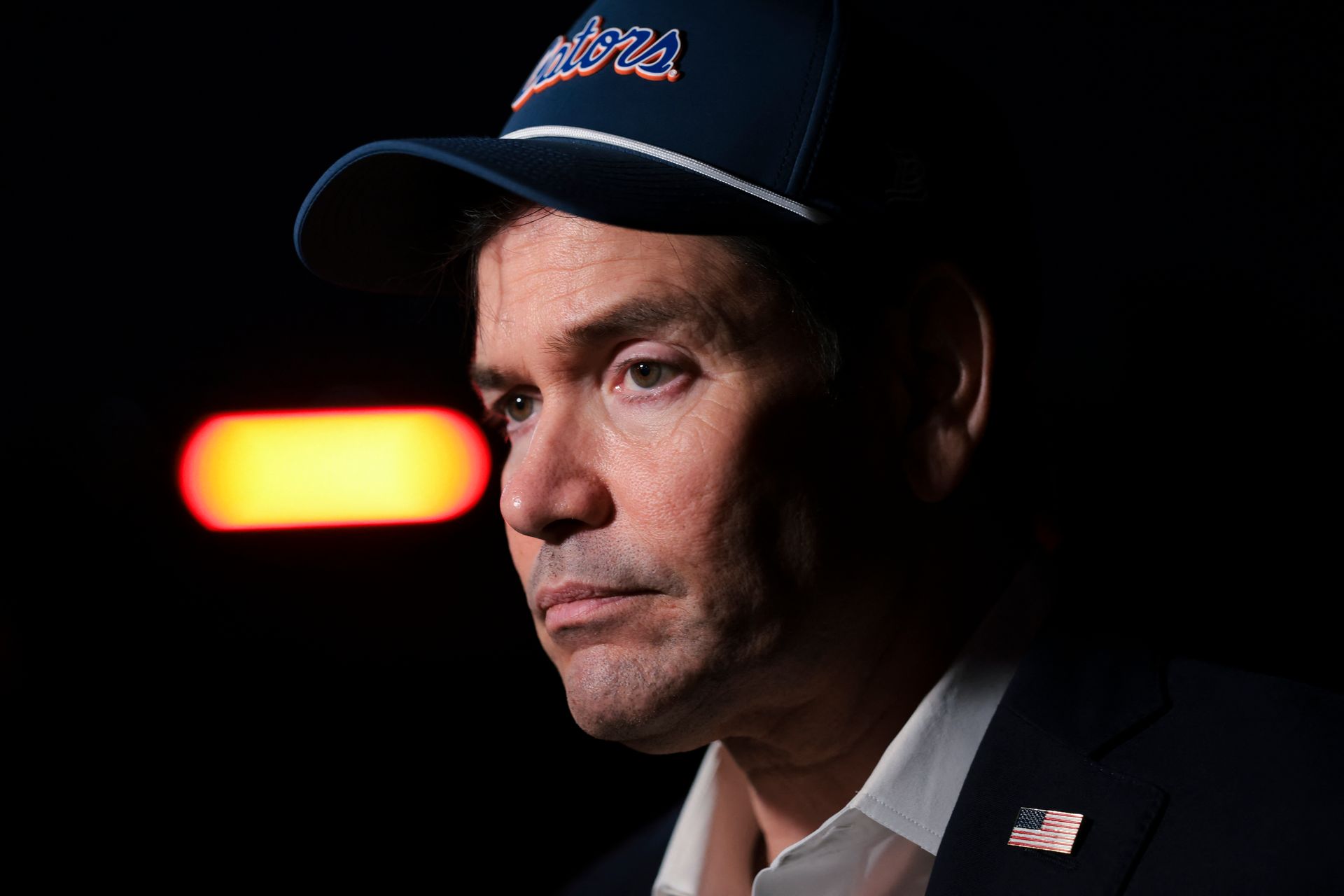
Recent U.S.-Israeli strikes on Iran have been central to the escalation, with reports detailing their direct impact on key Iranian figures.[3][4][5] These actions, part of the broader strike Iran campaign since February 28, have drawn significant attention due to their precision and consequences.[1][3] In southern Lebanon, a drone attack wounded an Israeli soldier, illustrating the interconnected nature of regional incidents tied to the Iran war.[1]
The strikes on Iran have provoked outcry, as noted in international coverage, highlighting their controversial role in the conflict.[3] Specific military actions include those that severely injured Ayatollah Mojtaba Khamenei, who became Iran's supreme leader in March and has remained unseen and unheard from since.[5] This incident occurred in a strike that also killed his father, leaving Khamenei badly wounded.[5] Reports confirm he suffered serious injuries requiring potential plastic surgery, aligning with the pattern of targeted operations.[4]
Related incidents in Lebanon further complicate the landscape. The wounded Israeli soldier in the drone attack adds to the tally of 735 soldiers injured since the war's onset on February 28, per army data.[1] Hezbollah's rocket fire, mentioned in the context of ceasefire challenges, represents another layer of retaliatory actions not covered in U.S.-Iran talks.[2] These strikes and counter-strikes demonstrate a cycle of escalation, where U.S.-Israeli operations prompt responses across borders.[3]
The timeline of these events positions the strikes as a flashpoint, with their effects rippling into diplomatic arenas.[4][5] Coverage from multiple outlets emphasizes the strikes' role in sustaining the conflict's momentum, even as ceasefires are extended elsewhere.[1][3]
Injuries and Their Implications
Injuries from the U.S.-Israeli strikes on Iran have centered on Iran's Supreme Leader, Ayatollah Mojtaba Khamenei, who is believed to have been so badly wounded in the strike that killed his father that he now struggles to speak, will require plastic surgery, and is awaiting a prosthetic leg.[5] This level of injury underscores the severity of the attacks, with reports confirming serious damage that may necessitate extensive medical intervention, including plastic surgery.[4]
Mojtaba Khamenei's condition has implications for Iranian leadership continuity, as he has remained unseen since assuming the supreme leader role in March.[5] Despite his injuries, he maintains contact with the regime via letters delivered through a human chain, indicating efforts to sustain command structures amid personal hardship.[4] These details suggest a leader grappling with physical limitations while attempting to project stability.[4][5]
On the Israeli side, the drone attack in southern Lebanon wounded a soldier, contributing to the cumulative 735 injuries since February 28.[1] This incident highlights the reciprocal risks in the conflict, where Iranian-aligned actions inflict casualties on opposing forces.[1] The implications extend to military readiness, as the high number of wounded soldiers reflects sustained operational pressures.[1]
The combination of leadership injuries in Iran and frontline casualties in Lebanon points to a conflict exacting a heavy toll on personnel.[1][4][5] Khamenei's need for a prosthetic leg and speech difficulties could affect decision-making processes, while Israel's injury figures signal ongoing vulnerabilities in peripheral theaters.[1][5] These injuries, directly linked to recent strikes, amplify the human stakes in the broader war.[4]
Israeli Military Casualties
The human cost to Israeli forces has mounted steadily since the Iran war began on February 28, with army data reporting 735 soldiers wounded.[1] A recent drone attack in southern Lebanon exemplifies this ongoing threat, where one soldier was wounded, adding to the total.[1] These casualties occur in a context of heightened regional tensions, including Hezbollah rocket fire and Israeli strikes in Lebanon.[2]
The figure of 735 wounded provides a stark metric of the conflict's duration and intensity, spanning from late February onward.[1] Southern Lebanon has emerged as a hotspot for such incidents, with drone attacks representing a tactical escalation tied to the broader strike Iran operations.[1] This pattern of injuries affects troop morale, logistics, and strategic planning, as forces contend with persistent threats.[1]
Integration with ceasefire dynamics reveals further context: despite the three-week extension between Israel and Lebanon, incidents like the drone attack persist, underscoring the truce's fragility.[2] The wounded soldier's case illustrates how peripheral engagements sustain the injury toll even amid diplomatic pauses.[1][2] Overall, these casualties ground the conflict in tangible losses, paralleling reports of Iranian leadership injuries.[1]
Ceasefire and Diplomatic Updates
{IMAGE_3}
Israel and Lebanon have extended their ceasefire by three weeks, as President Donald Trump announced on Thursday during a meeting with ambassadors from both nations.[2] This extension occurs as U.S. negotiations with Iran to end the Middle East war remain at a standstill.[2] Trump expressed optimism, stating there is "a very good chance of having peace" and that it "should be an easy" process, despite challenges.[2]
The truce's shakiness is evident from recent Israeli strikes in Lebanon and Hezbollah rocket fire, which was not part of the Washington talks.[2] This extension aims to stabilize one front while Iran peace talks stall, highlighting a segmented approach to de-escalation.[2] Diplomatic efforts, led by the U.S., continue amid these hurdles, with Trump's involvement signaling high-level commitment.[2]
The three-week timeframe provides a window for potential breakthroughs, though stalled Iran talks temper expectations.[2] Hezbollah's exclusion from discussions adds complexity, as its actions test the ceasefire's limits.[2] These updates reflect a diplomatic landscape where partial truces coexist with unresolved core conflicts.[2]
International Reactions
Outcry has grown over the U.S.-Israeli strikes on Iran, capturing widespread international concern about the operations' conduct and consequences.[3] This reaction aligns with broader diplomatic tensions, including the stalled peace talks with Iran.[2] Coverage from global outlets emphasizes the strikes' polarizing impact, fueling debates on their legality and effects.[3]
President Trump's announcement of the Israel-Lebanon ceasefire extension drew attention, positioning the U.S. as a mediator even as Iran negotiations falter.[2] Responses highlight the strikes' role in escalating regional instability, with calls for restraint amid ongoing violence.[2][3] The involvement of Hezbollah and drone incidents further shapes perceptions of the conflict's scope.[1][2]
These reactions underscore a divided international stance, where optimism for peace from figures like Trump contrasts with criticism of the strikes.[2][3] The growing outcry serves as a barometer for global sentiment, influencing future diplomatic maneuvers.[3]
What to watch next includes the status of Mojtaba Khamenei's recovery and regime communications, potential progress in stalled Iran peace talks, and the durability of the Israel-Lebanon ceasefire amid ongoing incidents like drone attacks.[1][2][4][5]