
Strike Iran: Ships Attacked in Strait of Hormuz Amid Tensions
Iran has launched strikes on ships in the Strait of Hormuz amid ongoing tensions, with trade ships reported hit as efforts to reopen the waterway falter.[1] In a significant escalation tied to the strike Iran actions, the IRGC has targeted vessels in the crucial strait while asserting greater control, coinciding with stalled diplomacy and reports of gunfire impacting ships from other nations.[4][5] The conflict, which saw the US and Israel initiate a war on Iran on February 28 followed by a two-week truce announced on April 8, has already resulted in heavy US losses, including thirteen troops killed and nearly four hundred wounded, according to CENTCOM.[2][3] Iran continues to reject US claims, tightening its grip on the strait amid high alert on both sides.[5]
Overview of Recent Strikes
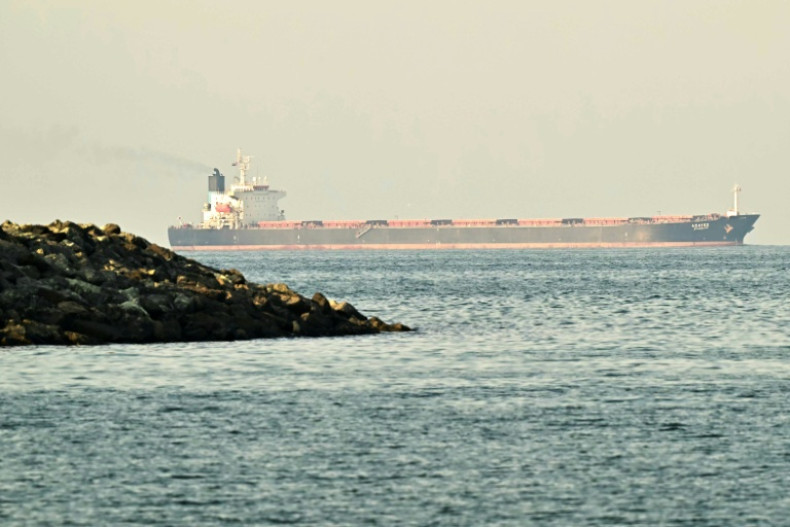
The recent strikes in the Strait of Hormuz mark a sharp intensification of hostilities, with Iran directly targeting trade ships in the vital waterway.[1] Reports indicate that these attacks have disrupted maritime traffic as Iran's efforts to reopen the strait encounter significant setbacks, described starkly as "trade ships hit in Hormuz as Iran reopening falters."[1] This overview captures the core of the incident: Iran's military actions aimed at commercial vessels navigating one of the world's most critical chokepoints for global oil trade.
Further details emerge from accounts of the IRGC launching strikes on ships, a move explicitly framed as an assertion of control over the Strait of Hormuz.[4] These operations come at a time when regional dynamics are fraught, with the strikes contributing to a broader pattern of confrontation. In parallel, the situation has drawn international attention, as gunfire associated with these events has forced vessels from other countries to alter course, underscoring the strikes' immediate impact on global shipping lanes.[5]
The strikes fit into a sequence of escalatory measures, where Iran's responses are linked to perceived provocations, including US policies on blockades.[4] Analysts note that such actions in the strait not only challenge navigation but also signal Iran's determination to influence the terms of any resolution in the waterway. The repetition of disruptions—trade ships hit, reopening faltering—highlights the persistent nature of these incidents, preventing normalization of passage despite diplomatic overtures.[1] This overview thus positions the strikes as pivotal events, directly tied to Iran's strategic posture in the face of ongoing conflict.
US Military Involvement and Casualties
US military engagement in the war with Iran has exacted a heavy toll, with CENTCOM reporting thirteen US troops killed and nearly four hundred wounded.[2] This casualty figure underscores the intensity of the conflict, where American forces have been drawn into direct confrontation following the initiation of hostilities by the US and Israel on February 28.[3]
The losses detailed by CENTCOM represent a sobering assessment of the war's human cost on the US side, with the numbers—thirteen dead and close to four hundred injured—reflecting sustained combat operations.[2] These figures are particularly stark given the timeline of events, including the subsequent two-week truce between the US and Iran announced on April 8.[3] The involvement of US troops highlights the depth of military commitment, transforming what began as a joint US-Israel operation into a broader war characterized by significant attrition.[2][3]
Contextualizing these casualties requires noting their placement within the Iran war's framework, where frontline engagements have led to these reported outcomes.[2] CENTCOM's statement serves as the authoritative tally, emphasizing the scale of wounding alongside fatalities, which points to the ferocity of exchanges. This level of involvement not only strains US resources but also shapes the diplomatic calculus, as losses mount amid truces that have proven fragile.
Broader Regional Context
The strikes in the Strait of Hormuz occur against a complex regional backdrop, marked by intertwined conflicts involving Israel, the US, Iran, and other actors.[3] Since the declaration of a ceasefire between Hamas and Israel in October 2025—which has been violated more than 2,000 times—global attention has shifted, particularly following the US and Israel's launch of their war on Iran on February 28.[3] This war initiation set the stage for subsequent developments, including the US and Iran's announcement of a two-week truce on April 8.[3]
Compounding the tensions, Israel simultaneously launched its largest wave of strikes on Lebanon around the time of the truce, further displacing focus from other regional issues like Palestine.[3] The Middle East Eye analysis frames this as part of Israel's "forever wars," where the Iran conflict has overshadowed longstanding Palestinian concerns, actively displacing them from the center of global attention.[3] The US-Iran truce, while providing a brief pause, did not halt parallel Israeli actions, illustrating the multifaceted nature of the regional crisis.
This broader context reveals how the Strait of Hormuz strikes interconnect with wider hostilities: the February 28 war launch by the US and Israel precipitated Iran's responses, while the April 8 truce announcement failed to fully de-escalate, allowing incidents like the Hormuz attacks to emerge.[3] The over 2,000 violations of the Hamas-Israel ceasefire add layers of instability, creating an environment where Iran's waterway assertions gain strategic leverage amid "forever wars."[3] Thus, the regional tapestry—encompassing Gaza, Lebanon, and the Gulf—frames the Hormuz events as extensions of entrenched conflicts.
Escalation in the Strait of Hormuz
Escalation in the Strait of Hormuz has manifested through direct Iranian attacks on ships, with the IRGC launching strikes to assert control over the crucial waterway.[4] These actions coincide with Trump's refusal to lift a blockade of Iranian ports, providing a trigger for Iran's military response.[4] Trade ships have been hit amid faltering reopening efforts, disrupting passage and heightening risks for international maritime traffic.[1]
Specific incidents include reports of gunfire that forced Indian vessels to turn back, prompting a strong protest from New Delhi and illustrating the strikes' reach beyond direct combatants.[5] Iran's moves to tighten control over the strait cite US violations and "bogus victory claims," framing the escalation as retaliatory.[5] The IRGC's role is central, positioning these strikes as deliberate assertions of sovereignty in a chokepoint vital for global energy flows.[4]
The pattern—ships attacked, gunfire incidents, control tightening—builds a picture of mounting pressure in the strait.[1][4][5] As reopening falters, the waterway becomes a flashpoint, where Iran's strikes not only target vessels but also challenge the status quo enforced by blockades.[1][4] Indian vessels' diversion underscores the spillover effects, with nations outside the primary conflict now compelled to respond diplomatically.[5] This escalation transforms the strait from a trade artery into a contested zone, with each strike reinforcing Iran's stance.
Current Diplomatic Standoff
The US-Iran standoff in the Strait of Hormuz remains unresolved, just days before the ceasefire deadline, with diplomacy described as turning into a "straitjacket."[5] Tensions have risen after Iran rejected claims by US President Donald Trump that it had agreed to major concessions, leading Tehran to announce tightened control over the waterway.[5] Iran cites US violations and "bogus victory claims" as justifications, while both sides maintain high alert.[5]
Trump's refusal to lift the blockade of Iranian ports further stalls progress, intertwining military actions with diplomatic inertia.[4] The rejection of US assertions highlights a core impasse: Iran's unwillingness to concede amid perceived aggressions.[5] With ships struck and vessels diverted—like the Indian ones forced back by gunfire—the standoff risks broader entanglement.[5]
This diplomatic deadlock persists despite the two-week truce framework, underscoring failed negotiations.[3][5] High alert on both sides amplifies the stakes, as the ceasefire deadline looms without resolution.[5] Iran's control assertions directly counter US positions, creating a cycle where military posturing overshadows talks.
What to watch next: As the ceasefire deadline approaches amid high alert, further tightening of Iranian control over the Strait of Hormuz and responses to gunfire incidents affecting foreign vessels could determine if diplomacy breaks the standoff or leads to more strikes.[5]