Strike Iran port of Bandar Abbas in US-Iran exchange of fire
Iran and the US exchanged missile and airstrikes on Thursday, with Iran targeting a US base and the US striking the port city of Bandar Abbas in a direct strike iran sequence that marked the most serious trade of fire since an April ceasefire. Reports indicate that the actions unfolded in rapid succession, drawing immediate attention from regional observers and prompting renewed diplomatic efforts.
Exchange of Strikes
The sequence began with Iranian forces launching missiles from southern positions toward an American air base, according to state television images released on Thursday. The US responded by striking the port city of Bandar Abbas in Iran, an action confirmed in multiple accounts of the clashes. Tehran stated it had fired on the US army base in the region, while US reports detailed the strike on Bandar Abbas port. This tit-for-tat exchange occurred late Thursday local time and represented the first major breach of the April ceasefire. [3] [5] Iran and the US traded blame over the fire exchanges, with each side describing its actions as responses to the other. The events unfolded amid ongoing talks aimed at ending the conflict and reopening the Strait of Hormuz. [5]
Iranian Missile Launches
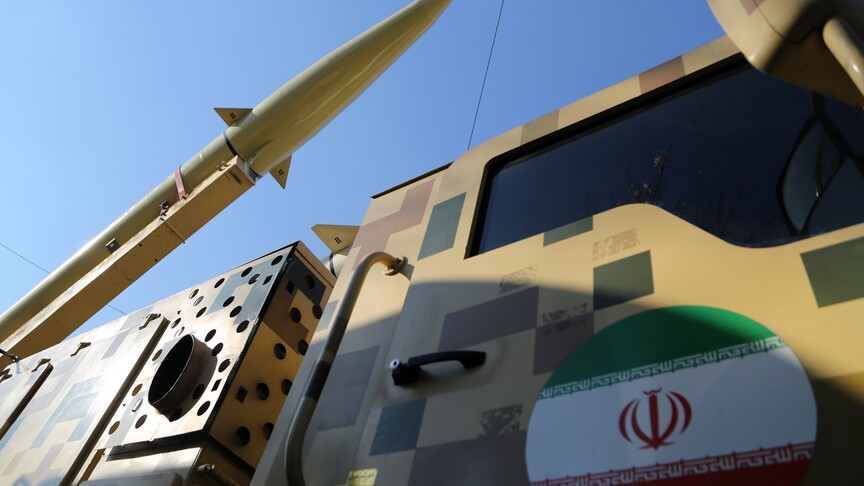
Iran launched missiles from its southern region at an American air base, with state media broadcasting footage of the launches on Thursday. The missiles originated from areas where earlier US activity had been reported, tying the firings directly to the strike on Bandar Abbas port. Iranian armed forces also struck targets in Kuwait during the same period, an action that drew US ire and added another layer to the regional tensions. [2] [4] These launches were described as coming from southern launch sites, with the missiles aimed at the identified US base. The reports noted that the firings took place late Thursday local time as the Trump administration considered a tentative agreement. [2] Additional details from Iranian state television showed the missiles being prepared and launched in direct connection to the earlier strike on the Iranian port. [5]
Iran launches missiles from southern positions toward a US air base. — Source: newsmax
US Response and Targets
The US struck Bandar Abbas port in Iran as its primary response in the exchange. This action followed the Iranian missile activity and was reported as targeting the key port city along the coast. The strike formed part of the broader US-Iran trade of fire on Thursday, with the port serving as the focal point for American military action. [3] [5] Accounts emphasized that the US operation on Bandar Abbas came after Iranian forces had targeted the American air base, completing the cycle of strikes. The port strike was presented in US reports as a measured reply to the missile launches from Iranian territory. No further details on additional US targets were released in the immediate reporting of the events.
Ceasefire Talks
A tentative US-Iran agreement would extend the April ceasefire by 60 days, pending approval by President Trump. The memorandum of understanding emerged from negotiations that continued even as the Thursday strikes occurred. Axios reported the agreement details, noting that the extension aims to provide additional time for broader talks to conclude the conflict. [3] Pakistan’s foreign minister, Mohammad Ishaq Dar, was scheduled to travel to Washington in an effort to accelerate the process. The ceasefire extension remains conditional on final presidential sign-off, leaving the immediate status of the 60-day period uncertain. [3] [5] These talks coincide with efforts to reopen the Strait of Hormuz, which had been affected by the earlier phase of the conflict.
{IMAGE_3}
Environmental Effects of Oil Facility Strikes
Airstrikes on Iran oil facilities released toxic sulfur emissions comparable to a volcanic eruption. The sulfur output from the damaged sites matched levels typically seen during major natural volcanic events, according to environmental monitoring data. [1] These emissions followed the military actions that included strikes on energy infrastructure, adding a measurable atmospheric impact to the sequence of events on Thursday. The scale of the sulfur release was documented through direct comparison with eruption benchmarks, highlighting the intensity of the facility damage.
Reports of Broader Regional Actions
Iran also struck targets in Kuwait as part of the same series of launches that included the American air base. This additional dimension expanded the geographic reach of the Iranian missile activity and prompted further US commentary on the developments. The Kuwait strikes occurred alongside the southern region firings, forming a coordinated set of actions reported across multiple outlets. [4] [2] The combined launches illustrated the extent of Iranian military response during the Thursday exchange.
What to watch next: The tentative agreement to extend the April ceasefire by 60 days awaits President Trump’s approval, while further diplomatic moves by Pakistan’s foreign minister continue in Washington.