Strike Iran: Iran Attacks Ships in Strait of Hormuz
Iran has launched attacks on ships in the Strait of Hormuz, heightening strike Iran tensions with the United States as military actions intensify in the vital shipping waterway.[4][5] US President Donald Trump has ordered the US Navy to target Iranian boats laying mines there, while Iran has activated air defenses in Tehran amid reports of explosions and has fired on multiple vessels, leaving Iran-US talks stalled over accusations of bad faith.[1][2][5] Domestically, Trump faces backlash for extending a ceasefire with Iran without conditions, as humanitarian concerns persist with a child still missing from a bombed school.[3][4]
Key Developments in Iran-US Tensions
The ongoing strike Iran confrontations have unfolded rapidly, with several critical events underscoring the fragile state of relations between Tehran and Washington. US President Donald Trump has directed the US Navy to strike Iranian boats detected laying mines in the Strait of Hormuz, a key global shipping artery.[1] This order comes as Iran has vowed to maintain restrictions on the route, allowing passage only to a limited number of vessels, signaling its intent to control access amid escalating hostilities.[1]
Simultaneously, Iran has conducted strikes on ships transiting the strait, including two container ships on Wednesday, which the White House has not classified as ceasefire violations since the targeted vessels were neither American nor Israeli.[4] Reports indicate Iran fired on three ships in the area, further complicating navigation and international trade routes.[5] In Tehran, Iranian air defenses were activated, with state media reporting explosions and systems engaging hostile objects in the capital's skies.[2]
Adding to the strain, Trump extended the ceasefire with Iran without imposing conditions or a deadline, a move made hours before his own two-week truce was due to lapse without an agreement.[4] This decision has drawn domestic backlash in the US, with critics questioning the lack of firm terms amid Iran's actions.[4] Meanwhile, a seven-year-old child named Makan Nasiri remains the only one unaccounted for from a school bombed in Iran, with authorities closing the search after nearly seven weeks and informing the parents that the case is resolved.[3] Iran-US negotiations appear in limbo, particularly as talks potentially hosted in Pakistan falter due to Tehran's accusations of American "lack of good faith." [5] These developments collectively paint a picture of heightened military posturing and diplomatic deadlock.[1][4][5]
Attacks in the Strait of Hormuz
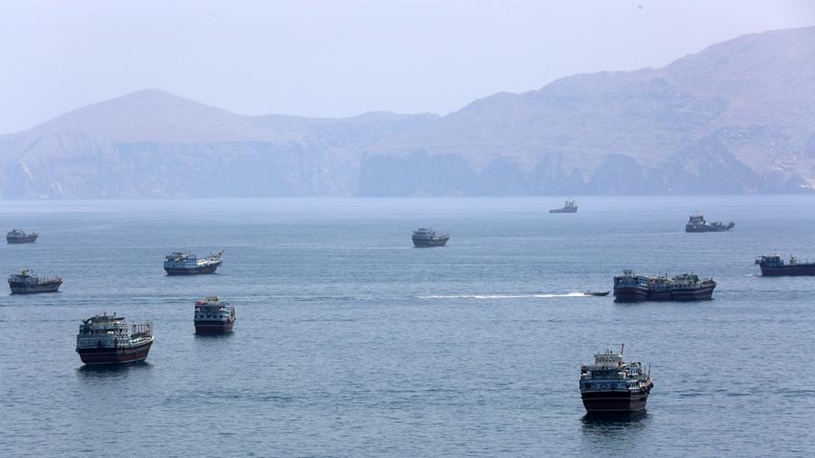
The Strait of Hormuz has become the epicenter of recent military exchanges in the strike Iran scenario, with Iranian forces directly targeting commercial shipping while the US responds to perceived threats from mine-laying activities.[1][4][5] President Trump's order for the US Navy to attack Iranian boats laying mines represents a direct countermeasure to what the administration views as provocative actions aimed at disrupting one of the world's most critical oil transit chokepoints.[1] Iranian officials have explicitly stated their commitment to keeping the strait closed to all but a select few vessels, a policy that amplifies risks for global energy supplies and maritime commerce.[1]
On Wednesday, Iran carried out attacks on two container ships navigating the strait, an incident that occurred even as fragile truce efforts hung in the balance.[4] The White House's response was measured, declining to label these strikes as breaches of the ceasefire on the basis that the affected ships did not belong to the US or Israel, thereby avoiding an immediate escalation to full confrontation.[4] Further details emerged of Iran firing on three ships in the vicinity, underscoring a pattern of aggressive interdictions that have raised alarms among shipping operators and international observers monitoring the region.[5]
These actions follow a sequence where Iranian naval assets have been accused of mine deployment, prompting the US naval intervention ordered by Trump.[1] The strait, through which a significant portion of global oil flows, remains a flashpoint, with Iran's vows of restricted access directly challenging freedom of navigation principles upheld by the US and its allies.[1] The US Navy's strikes on the mine-laying boats were framed as defensive necessities to protect international waterways, though specifics on the operations' outcomes remain tied to ongoing military reporting.[1] Iran's ship attacks, meanwhile, have not prompted reciprocal US strikes on non-military targets, reflecting a calibrated approach amid the ceasefire extension.[4] This back-and-forth has left the waterway tense, with vessels advised to exercise extreme caution as both sides assert their positions.[4][5]
Air Defense Activation in Tehran
Iran's capital, Tehran, witnessed a dramatic activation of air defense systems, accompanied by multiple explosions reported across the city.[2] According to Iranian state media, including the Tehran Times, defenses were fully engaged in the skies over the capital, with video footage capturing bursts of anti-aircraft fire targeting what were described as hostile objects.[2] The agency Mehr provided additional confirmation, stating that the systems locked onto and responded to "objetivos hostiles," or hostile targets, prompting the audible blasts heard by residents.[2]
This activation marks a significant defensive posture amid the broader strike Iran context, suggesting perceptions of imminent aerial threats originating from the direction of ongoing Hormuz tensions.[2] The Tehran Times disseminated the alert via X, formerly Twitter, pairing it with visual evidence of the defensive barrages lighting up the night sky, which quickly circulated among international outlets monitoring the conflict.[2] Such activations are rare in urban centers like Tehran and indicate a high state of alert, potentially linked to reconnaissance or strike activities tied to US naval operations further south.[2]
The explosions, while not attributed to confirmed impacts, rattled the capital and highlighted Iran's readiness to counter perceived aggressions.[2] Media reports from Iranian sources emphasized the effectiveness of the systems in engaging threats, though no official tally of interceptions or downings was provided.[2] This event coincides temporally with US orders against Iranian mine-layers in Hormuz, raising questions about interconnected operations, though direct causation remains unconfirmed in available reports.[1][2] The defensive response in Tehran serves as a stark reminder of how rapidly regional skirmishes can draw in national command centers, amplifying the stakes for all parties involved.[2]

Iran activates air defenses in Tehran amid reports of explosions. — Source: clarin
Humanitarian Impacts
Civilian consequences of the conflict have come into sharp focus with the unresolved case of Makan Nasiri, the sole child still missing following the bombing of a school in Iran.[3] Nearly seven weeks of exhaustive searches for remains yielded no results, leading authorities to inform the seven-year-old's parents that the investigation has been closed.[3] This heartbreaking development underscores the human toll amid military escalations, where educational facilities have been caught in the crossfire of strikes.[3]
The bombing of the school represents one of the more poignant humanitarian incidents reported, with Makan Nasiri's disappearance standing out as the last unresolved among potentially many affected.[3] Iranian authorities' decision to close the case after prolonged efforts reflects the challenges of recovery operations in war-damaged areas, leaving the family without closure.[3] Such events draw attention to the broader vulnerability of non-combatants, particularly children, in zones of active conflict.[3]
While military actions dominate headlines, cases like Nasiri's highlight the lingering effects on communities, where infrastructure critical to daily life—such as schools—becomes collateral damage.[3] The closure of the search, despite parental appeals, signals a shift in official priorities toward ongoing security matters, yet it amplifies calls for accountability in how strikes are conducted.[3] In the context of Hormuz attacks and Tehran defenses, this incident serves as a somber counterpoint to strategic maneuvers, reminding stakeholders of the civilian lives intertwined with geopolitical rivalries.[3]
Diplomatic and Ceasefire Developments
Diplomatic efforts between Iran and the US remain stalled, with talks described as in limbo due to mutual recriminations.[4][5] President Trump's unconditional extension of the ceasefire on Tuesday, just hours before his two-week truce expired without a deal, has sparked significant domestic backlash in the United States.[4] Critics argue that offering no deadlines or conditions rewards Iran's provocations, including the ship attacks in Hormuz that followed shortly after.[4]
The White House's handling of Iran's strikes on two container ships—deeming them non-violations of the ceasefire because the vessels were not US or Israeli—illustrates the delicate balancing act in sustaining the pause.[4] Meanwhile, prospects for Iran-US discussions, potentially in Pakistan, appear dim as Tehran accuses Washington of "lack of good faith" in negotiations.[5] This breakdown coincides with separate diplomatic movements, such as Israel-Lebanon talks in Washington, but leaves the core Iran-US channel frozen.[5]
Trump's ceasefire move, devoid of strings, aims to buy time but has fueled debates over strategy, with backlash centering on perceived weakness amid Iran's continued actions like firing on three ships.[4][5] The absence of progress in talks exacerbates uncertainties, as both sides entrench positions—Iran through military demonstrations and the US via naval responses.[4][5]
{IMAGE_3}
Broader Context of Tensions
The interconnected web of events provides a comprehensive view of escalating strike Iran dynamics, blending military, defensive, and diplomatic threads.[1][2][4][5] From Trump's naval strike orders against mine-laying boats to Iran's Hormuz ship attacks and Tehran's air defense activations, actions reflect a cycle of retaliation and readiness.[1][2][4] The ceasefire extension without conditions, amid backlash, underscores diplomatic fragility, paralleled by stalled talks over good faith issues.[4][5]
Iran's vow to restrict the strait ties directly to its ship firings, challenging US-led navigation freedoms and prompting defensive measures.[1][5] Explosions in Tehran signal broader threat perceptions, potentially linked to Hormuz operations.[2] Humanitarian notes, like the missing child, add gravity to the strategic standoff.[3] Collectively, these elements—mine countermeasures, ship strikes, defenses, and talk failures—frame a tense standoff with global implications.[1][2][4][5]
What to watch next: The status of Iran-US talks in potential Pakistan venues remains uncertain amid accusations of bad faith, while the ceasefire's viability faces tests from ongoing Hormuz incidents and naval responses.[4][5]