
Strike Iran: Attacks on Ships in Strait of Hormuz Amid US Standoff
Iran has launched strikes on ships in the Strait of Hormuz to assert control over the waterway amid ongoing tensions with the US.[1] The strike Iran initiated marks a significant escalation in the US-Iran standoff, which remains unresolved with diplomacy stalled and both sides on high alert.[2] Indian-flagged vessels were shot at near the Strait of Hormuz, prompting India to summon the Iranian ambassador in protest.[4] Iran reversed its pledge to reopen the Strait, citing US violations and reports of gunfire affecting commercial traffic.[5] Separately, a French peacekeeper was killed in southern Lebanon in an incident blamed on Iran-backed Hezbollah, though the group denies involvement.[3]
Iran's Strikes in the Strait of Hormuz
The Islamic Revolutionary Guard Corps (IRGC) has carried out strikes on ships transiting the Strait of Hormuz, a move explicitly aimed at asserting Iran's control over this vital chokepoint for global oil shipments.[1] These actions come as the US, under President Donald Trump, has refused to lift a blockade on Iranian ports, prompting Tehran to respond forcefully to maintain dominance in the waterway.[1] Reports indicate that the strikes targeted vessels attempting passage, with tracking data showing a handful of oil and gas tankers managing a brief crossing on Saturday before the situation deteriorated.[5] Iran reimposed restrictions shortly after, reversing an earlier pledge to allow commercial traffic during a ceasefire period in the broader conflict.[5] This back-and-forth has directly disrupted maritime operations, with some ships retreating amid the gunfire and attacks.[5] The IRGC's involvement underscores Iran's military posture in the region, positioning the Strait as a leverage point in its confrontation with the US.[1][2] Eyewitness accounts and shipping data highlight how these strikes have transformed the Strait from a routine trade route into a contested zone, where naval forces now dictate access.[2][5] The precision of the strikes on specific vessels suggests a calculated demonstration of power rather than indiscriminate aggression, though the immediate impact has been to halt much of the traffic.[1][5]
Escalating US-Iran Tensions
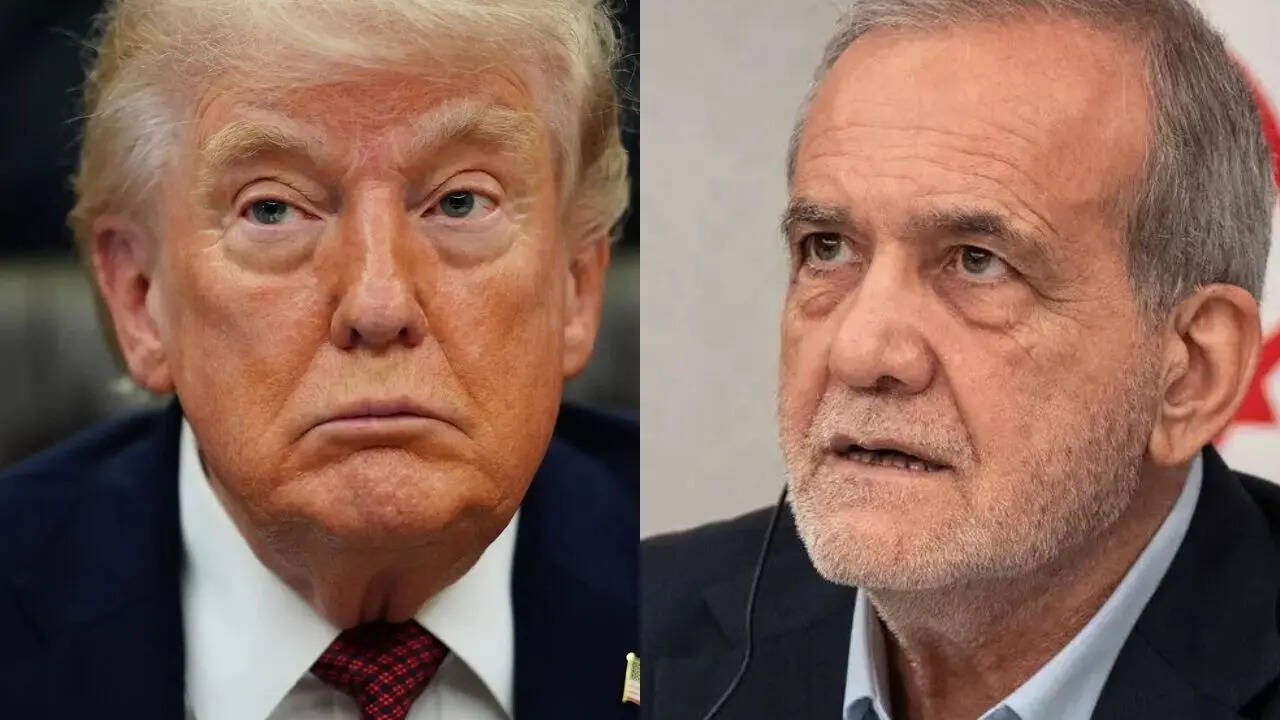
The backdrop to these events is a protracted US-Iran standoff in the Strait of Hormuz, where diplomatic efforts have ground to a halt just days before a ceasefire deadline.[2] Tehran has rejected US President Donald Trump's assertions that Iran agreed to major concessions, dismissing them as "bogus victory claims."[2] In response, Iran announced it would tighten control over the waterway, pointing to ongoing US violations as justification for its reversal on reopening the Strait.[2][5] Trump's optimism that a peace deal to end the US-Israeli war with Iran was "very close" now appears overly sanguine, as the strikes have cast serious doubt on any imminent resolution.[5] Both nations remain on high alert, with the US maintaining its blockade and Iran leveraging its naval capabilities to counter it.[1][2] This escalation reflects deeper strategic calculations: for Iran, the Strait represents a critical artery for its oil exports and a bargaining chip; for the US, securing free passage is essential to global energy markets and alliance commitments.[2] The stalled talks have evolved from verbal sparring—"strait talk turns straitjacket," as one observer put it—into kinetic actions, with ships now bearing the brunt.[2] Iran's decision to strike amid these tensions signals a shift from restraint to assertion, potentially prolonging the impasse.[5]
Impact on International Shipping
The strikes have profoundly disrupted international shipping through the Strait of Hormuz, one of the world's busiest oil transit routes.[2][5] Reports of gunfire have forced vessels to turn back, with two Indian-flagged tankers specifically coming under attack near the waterway.[4][5] Tracking data reveals that while a few oil and gas tankers crossed during a brief reopening on Saturday, others retreated as Iran closed the route again.[5] This toing-and-froing has created uncertainty for commercial operators, who now face heightened risks from reported attacks and gunfire.[2][5] The impact extends beyond immediate diversions: shipping companies must weigh the costs of delays, rerouting, or insurance premiums against the perils of passage.[5] Iran's reversal of its pledge to reopen the Strait during the ceasefire—made to protest ongoing US actions—has directly affected global energy flows, as the waterway handles a significant portion of seaborne oil trade.[5] Incidents like the shooting at vessels underscore the vulnerability of neutral shipping to the bilateral dispute, turning a commercial lifeline into a flashpoint.[2][4] High alert status on both sides amplifies these effects, with naval patrols and warnings further slowing traffic.[2]
International Reactions
India has emerged as a vocal responder to the disruptions, summoning Iran's ambassador in a pointed diplomatic protest.[4] New Delhi's Ministry of External Affairs (MEA) conveyed "deep concern" after two Indian-flagged vessels came under attack near the Strait of Hormuz.[4] Iran's Ambassador to India, Dr. Mohammad Fathali, met with India's foreign secretary on Saturday evening to hear these grievances directly.[4] This action highlights the ripple effects of the US-Iran tensions on third-party nations reliant on the Strait for energy imports.[4] India's swift summons reflects its strategic interests in securing maritime routes, given its heavy dependence on Gulf oil supplies.[4] The protest also signals broader international unease, as other shipping-dependent economies monitor the situation warily, though specific reactions from additional actors remain tied to these immediate events.[4]
Related Regional Incidents
Tensions linked to Iran extend beyond the Strait, as evidenced by the killing of a French peacekeeper in southern Lebanon.[3] President Emmanuel Macron has blamed the attack on Hezbollah, the Iran-backed militant group operating in the area.[3] Hezbollah has denied "any connection" to the incident, which occurred amid fragile stability along the Israel-Lebanon border.[3] This event, while geographically distinct, underscores Iran's regional influence through proxies like Hezbollah, paralleling its direct actions in the Strait.[3] The peacekeeper's death has drawn French condemnation, potentially complicating multinational peacekeeping efforts in Lebanon and adding another layer to the wider US-Iran friction.[3]
What to watch next: With diplomacy stalled and both the US and Iran on high alert, further disruptions to Strait traffic or naval incidents could test the ceasefire deadline, while responses to attacks on neutral vessels like India's may influence multilateral pressure on Tehran.[2][4][5]