
Strike in Ukraine: More Than 400 Drones Target Critical Infrastructure
In a major strike Ukraine experienced on May 1, more than 400 drones targeted critical infrastructure, including energy facilities and residential buildings, over a 12-hour period.[1] This mass operation marked a significant aerial assault, with Russian forces employing drones during daytime hours to hit key sites across the country.[3][4][5]
Overview of Drone Attacks on Ukraine
The recent drone strikes represent one of the largest scale operations reported in the ongoing conflict, with more than 400 drones launched against Ukraine's infrastructure within just 12 hours on May 1.[1] This figure, detailed by Ukrainska Pravda, underscores the intensity and coordination involved in the assault, which extended to energy infrastructure vital for national power supply, other critical infrastructure necessary for operational continuity, and even residential buildings.[1] Reports from The Straits Times further describe how Russia conducted these strikes during daytime, pounding Ukraine with a barrage of drones in what has been characterized as a mass daytime attack.[3][4]
This overview highlights the breadth of the operation, as the drones were not limited to military targets but included civilian-related structures, amplifying the impact on daily life and essential services.[1] The timing during daylight hours adds a layer to the tactical approach, differing from patterns seen in previous engagements where night operations were more common, though recent reports indicate a shift toward daytime usage.[3][4][5] Ukrainska Pravda's account emphasizes the compressed timeframe of 12 hours, suggesting a sustained wave of attacks that challenged Ukrainian defenses across multiple regions.[1] The involvement of over 400 drones illustrates the logistical capacity behind such an effort, drawing on Russia's ability to deploy unmanned aerial vehicles en masse.[3][4]
In summarizing these events, the primary details point to a deliberate strategy targeting Ukraine's backbone sectors, with energy facilities bearing the brunt due to their role in sustaining the economy and population.[1] The Straits Times reports reinforce the daytime element, noting Russia's aggressive use of drones to overwhelm defenses under visible conditions.[3][4] This combination of scale, targets, and timing forms the core of the reported drone campaign on May 1, setting it apart as a notable escalation in aerial warfare tactics.[1][3][4]
Specific Incidents and Targets
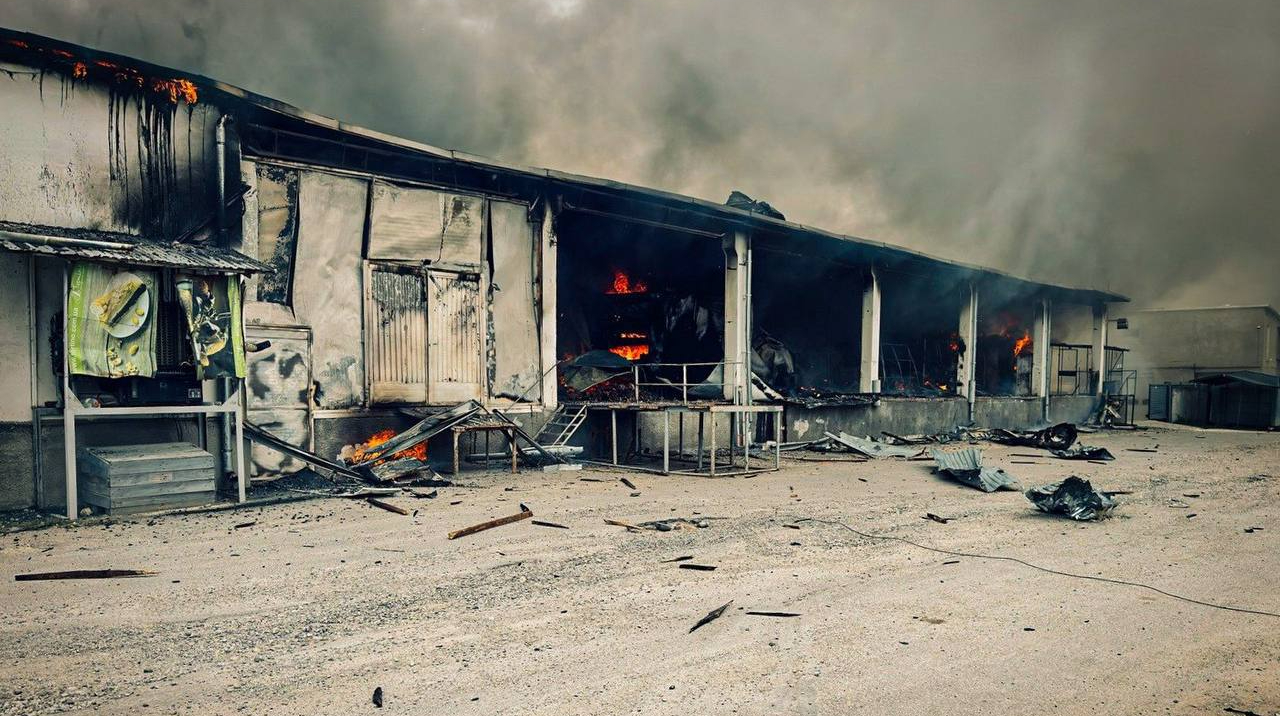
A strike damages the Tuapse Oil Terminal, marking the fourth attack in two weeks. — Source: newsmax
Among the specific incidents, Russian drones conducted a mass daytime attack targeting Ternopil, located in western Ukraine, as reported by the Kyiv Independent.[5] This strike on Ternopil highlights the reach of the operation into regions farther from the front lines, with drones focusing on areas not typically under immediate frontline pressure.[5] Broader reports confirm that the attacks encompassed Ukraine's energy infrastructure, critical infrastructure, and residential buildings, all hit within the 12-hour window on May 1.[1]
Ternopil's inclusion as a target exemplifies the expansive nature of the drone deployment, where western Ukraine faced direct aerial threats during daylight.[5] Ukrainska Pravda details how these drones struck facilities essential for energy production and distribution, alongside structures supporting critical national functions and homes.[1] The selection of such diverse targets—ranging from power grids to civilian residences—indicates a comprehensive approach aimed at disrupting multiple facets of Ukrainian society and economy.[1][5] In Ternopil specifically, the mass daytime attack suggests an intent to test air defenses in a less contested airspace, leveraging drone swarms for saturation coverage.[5]
These incidents reveal patterns in target prioritization, with energy sites repeatedly vulnerable due to their centralized and high-impact nature.[1] Residential buildings, while not primary military assets, faced collateral exposure, broadening the effects of the strikes.[1] The Kyiv Independent's breaking report on Ternopil underscores the immediacy and visibility of the assault in western regions, where such large-scale drone incursions have been noted.[5] Overall, the locations and infrastructure types affected paint a picture of a multi-vector operation designed to strain resources across Ukraine.[1][5]
Ukrainian Counter-Strikes
Ukrainian forces responded with a strike on a Russian oil terminal in the Black Sea city of Tuapse, as announced by Ukraine's General Staff.[2] This action marked the fourth attack on the region's oil infrastructure within just over two weeks, demonstrating a pattern of targeted responses against Russian energy assets.[2] Newsmax reported the details, noting explosions and a fire recorded on the premises of the local facility following the Ukrainian strike.[2]
The Tuapse oil terminal strike aligns with Ukraine's strategy of hitting back at Russia's economic pillars, specifically oil handling and storage capabilities.[2] By conducting the fourth such operation in a short period, Ukrainian forces have shown persistence in degrading this infrastructure, potentially impacting fuel supply chains in the region.[2] The General Staff's confirmation highlights the precision and timing of the counter-strike, coming amid intensified Russian drone activity.[2] Explosions and fires at the site serve as evidence of the strike's effectiveness, with visible damage reported locally.[2]
This retaliatory measure fits into the broader exchange of aerial and long-range attacks, where Ukraine leverages its capabilities to counter Russian advances.[2] The repetition—four attacks in two weeks—indicates a focused campaign on Tuapse and surrounding oil facilities, aiming to impose costs on Russia's operational logistics.[2] Newsmax's coverage emphasizes the Ukrainian claim of success, with the fire underscoring the tangible outcomes of these counter-strikes.[2]
Context of Ongoing Strikes
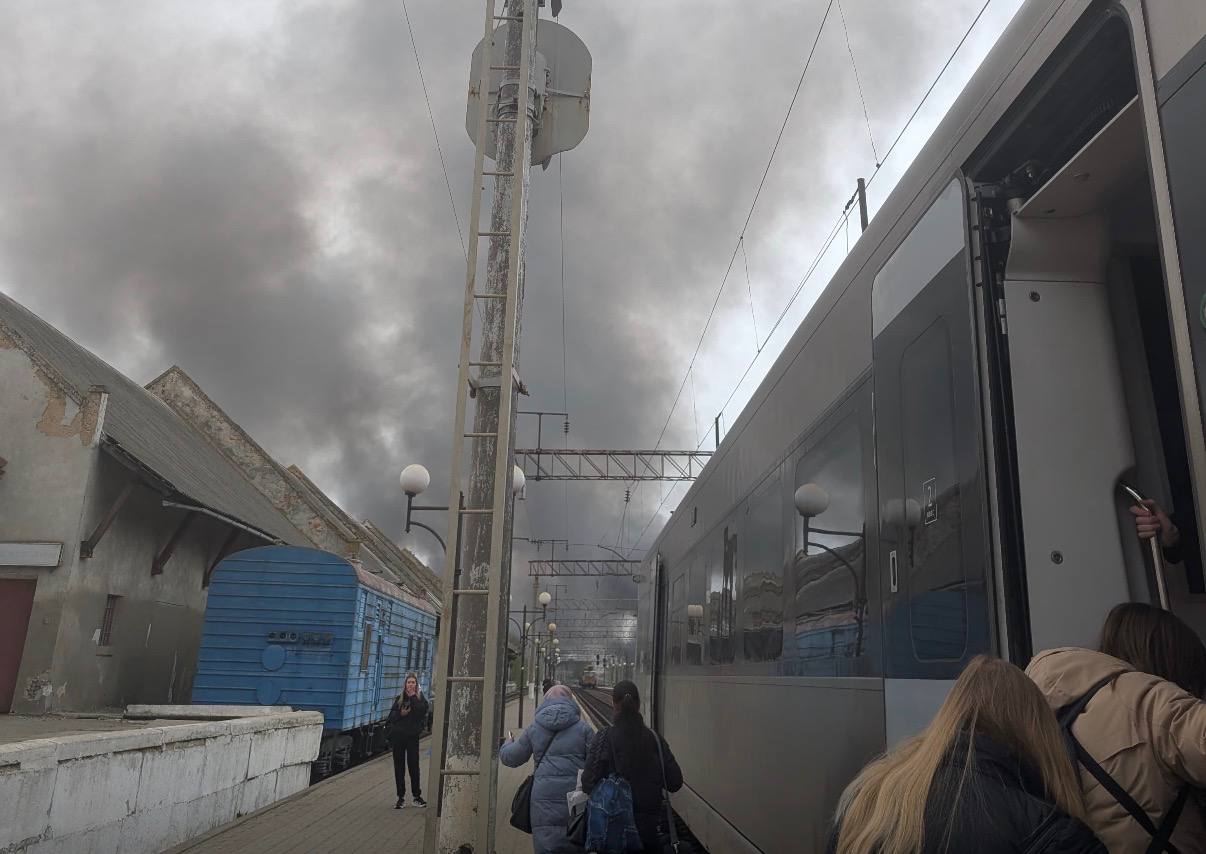
Russian drones target Ternopil's infrastructure in a mass daytime attack on May 1. — Source: kyivindependent
The context of these strikes reveals a pattern where Russia has been carrying out drone operations against Ukrainian infrastructure during daytime hours, as evidenced by multiple reports.[2][3][4][5] This shift to daylight attacks provides a backdrop for the May 1 events, with the mass deployment fitting into a series of similar actions.[3][4] Newsmax's reporting on Ukrainian responses indirectly frames the Russian drone campaign as part of an escalating tit-for-tat dynamic, where infrastructure remains a prime target.[2]
Ongoing strikes like those on May 1 occur amid repeated engagements, with daytime timing allowing for potentially greater visibility and defensive challenges for Ukraine.[3][4][5] The frequency of such operations, including the targeting of western regions like Ternopil, suggests a sustained effort to pressure multiple areas simultaneously.[5] Reports indicate that Russia has adapted its drone tactics to include these daytime barrages, pounding targets with volume over stealth in some instances.[3][4] This pattern aligns with the broader conflict's evolution, where unmanned systems play a central role in attrition warfare.[2]
The two-week span of Ukrainian counter-strikes on Russian oil sites provides reciprocal context, illustrating how both sides engage in infrastructure-focused operations.[2] Daytime drone use by Russia represents a tactical choice, possibly to exploit weather or detection gaps, as seen in the Ternopil incident.[5] Overall, the available reports frame these May 1 strikes as part of an ongoing cycle of aerial confrontations targeting vital assets.[2][3][4]
Reported Outcomes of Attacks
The drone attacks resulted in explosions and fires at the targeted sites, as noted in connection with both Russian and Ukrainian actions.[1][2] While specific outcomes for the Ukrainian targets are tied to the broad assault on energy and residential areas, the Ukrainian strike on Tuapse explicitly recorded explosions and a fire on the oil terminal premises.[2] These effects highlight the destructive potential of the strikes involved.[2]
In the Russian oil terminal incident, the fire following explosions indicates significant disruption to operations at the facility.[2] For the over 400 drones hitting Ukraine, the implied outcomes include damage to energy infrastructure, potentially leading to service interruptions, though direct observations mirror the explosive impacts seen elsewhere.[1][2] Newsmax details how the Tuapse fire was visible and contained to the site, serving as a measurable result of the counter-strike.[2] Ukrainska Pravda's account of the mass attack implies similar pyrotechnic effects across the diverse targets struck in 12 hours.[1]
These reported outcomes—explosions and fires—serve as immediate indicators of strike success from the perspectives of the involved parties.[1][2] The presence of fire at Tuapse underscores vulnerabilities in oil infrastructure under attack.[2] In Ukraine, the scale of the drone wave likely amplified such effects across energy and critical sites.[1] This pattern of visible destruction reinforces the tactical goals of infrastructure degradation in the conflict.[1][2]
Daytime Patterns in the Strike Ukraine
Recent developments show Russia employing daytime drone strikes Ukraine-wide, with the mass attack on Ternopil exemplifying this approach in western areas.[3][4][5] The Straits Times reports describe Russia pounding Ukraine with drones during daylight, a recurring element in these operations.[3][4] This pattern integrates with the May 1 assault, where over 400 drones operated in visible conditions.[1][3][4]
The choice of daytime for such strikes Ukraine has faced alters defensive dynamics, as drones like those targeting Ternopil operate under broader visibility.[5] Multiple accounts confirm this as an established tactic, with the Kyiv Independent noting the breaking nature of the Ternopil event.[5] The Straits Times' repeated coverage emphasizes the pounding intensity during day hours.[3][4] In the context of the strike Ukraine endured, this timing coincides with the 12-hour barrage on critical sites.[1]
These patterns indicate Russia's confidence in drone swarms for daytime efficacy, extending reach to regions like Ternopil.[5] The integration of daytime strikes Ukraine reports enhances the operational tempo, complementing the scale seen on May 1.[1][3][4][5]
What to watch next: Further daytime drone strikes on Ukrainian infrastructure, particularly in western regions like Ternopil,[5] alongside potential additional Ukrainian attacks on Russian oil terminals such as Tuapse, marking continued exchanges in this pattern.[2]