Strike in Lebanon: Two Israeli Soldiers Injured in Drone Explosion
Israeli military strikes in Lebanon have injured soldiers and violated a ceasefire agreement, escalating tensions amid ongoing exchanges of fire with Hezbollah.[1][2] In a drone explosion in southern Lebanon, two Israeli soldiers were wounded—one seriously and the other lightly—during military operations, according to the Israeli army.[1] Separately, Israel launched strikes in the Bekaa Valley in eastern Lebanon, the first such action in the area since a US-brokered ceasefire took effect on April 16, signaling a potential broadening of the conflict despite the truce's intent to reduce hostilities.[2]
Overview of Recent Strikes
The recent military incidents in Lebanon highlight a fragile security situation where a ceasefire has not fully contained the violence between Israel and Hezbollah. On Monday, the Israeli military expanded its operations by conducting strikes in eastern Lebanon's Bekaa Valley, an area previously untouched since the ceasefire began on April 16.[2] This marked a significant escalation, as the truce—brokered by the United States—had notably slowed the pace of attacks but failed to eliminate exchanges of fire entirely.[2] Concurrently, a drone explosion in southern Lebanon injured two Israeli soldiers, with the military confirming one serious injury and one light wound during ongoing operations.[1] These events underscore the challenges in maintaining the ceasefire, as Israel continues targeted actions amid persistent threats from Hezbollah's arsenal.[3] The strikes in the Bekaa Valley represent a shift in the scope of Israel's bombing campaign, moving beyond southern border areas to more inland regions, which could complicate de-escalation efforts.[2] Meanwhile, the drone incident in the south reflects the persistent risks faced by Israeli forces on the ground, even as aerial and rocket threats loom large.[1][2]
Injuries from Drone Explosion
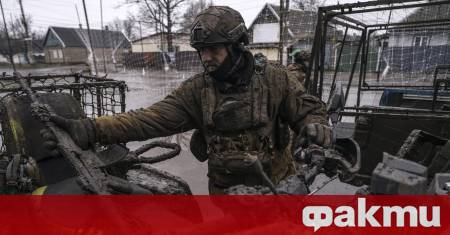
In southern Lebanon, a drone explosion during Israeli military operations resulted in injuries to two soldiers, as reported by the Israeli army.[1] One soldier sustained serious wounds, while the other was lightly hurt in the blast, highlighting the immediate dangers posed by unmanned aerial threats in the region.[1] The incident occurred amid routine operations, illustrating how even limited engagements can lead to casualties when drones are involved.[1] This event adds to the tally of risks for Israeli personnel operating near the Lebanese border, where Hezbollah has maintained a presence and conducted claimed attacks on Israeli targets.[3] The army's prompt acknowledgment of the injuries points to the operational tempo that persists despite the ceasefire, with such explosions serving as stark reminders of the volatile environment.[1] Details from the military indicate the blast happened in close proximity to troops, emphasizing vulnerabilities in detecting and neutralizing incoming drones amid heightened alert levels.[1]
Ceasefire Violations in Bekaa Valley
Israel's strikes in Lebanon's eastern Bekaa Valley on Monday constituted a clear violation of the ceasefire agreement, representing the first attacks in that area since the US-brokered truce entered into force on April 16.[2] The Bekaa Valley, located further inland from the southern border zones typically affected by crossfire, had remained unscathed until this expansion of Israel's bombing campaign.[2] This development signals a widening of the conflict's geographic scope, as the ceasefire has only partially succeeded in curbing hostilities, with exchanges of fire continuing albeit at a reduced pace.[2] The strikes underscore Israel's determination to address perceived threats, even as the agreement aimed to de-escalate tensions between the Israeli military and Hezbollah.[2] By targeting the Bekaa Valley, Israel has effectively broadened its operational reach, potentially drawing in new areas and complicating Lebanon's internal stability.[2] The failure of the truce to fully halt such actions raises questions about its enforceability, particularly when drone and rocket activities from Hezbollah persist.[2][3]
Official Statements on the Conflict
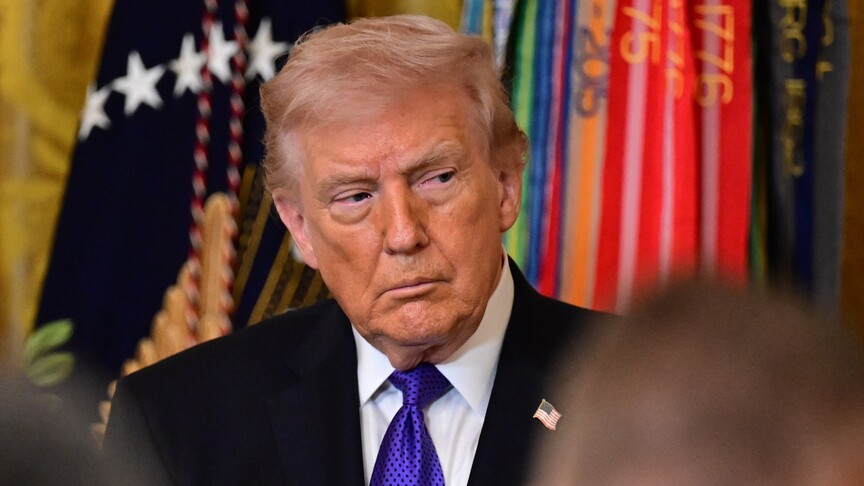
Israeli Prime Minister Benjamin Netanyahu addressed the ongoing threats from Hezbollah, stating on Monday that the group's rockets and drones remain a critical danger necessitating military responses.[3] He emphasized this position as Israel's army extended strikes into Lebanon despite the ceasefire, framing such actions as essential for security.[3] In response, Lebanese President Joseph Aoun called for direct negotiations with Israel to conclude the Israel-Hezbollah war, while accusing those responsible for involving Lebanon in the conflict of committing treason—a pointed reference to the Iran-backed Hezbollah, which has claimed several attacks on Israeli targets in southern Lebanon.[3] Aoun's remarks highlight Lebanon's internal divisions over the war's origins and the push for diplomatic resolution.[3] Netanyahu's comments justify the recent strike in Lebanon expansions, linking them directly to Hezbollah's capabilities, while Aoun's stance prioritizes talks as the path forward.[3] These statements from both leaders reflect divergent approaches: Israel's focus on proactive defense versus Lebanon's emphasis on negotiation and accountability.[3]
Context of Hostilities
The backdrop to these incidents involves a ceasefire that has significantly reduced but not eradicated the exchanges of fire between Israel and Hezbollah.[2] Since April 16, hostilities have persisted at a lower intensity, allowing for strikes like those in the Bekaa Valley to emerge as the first in that region.[2] Hezbollah's continued use of rockets and drones has been cited by Israeli Prime Minister Benjamin Netanyahu as a primary justification for military action, with the group claiming attacks on Israeli positions in southern Lebanon.[3] This dynamic has prompted Israel to expand its strikes, violating the truce's spirit while responding to perceived threats.[2][3] Lebanese President Joseph Aoun's advocacy for direct talks underscores the war's toll on Lebanon, framing involvement by groups like Hezbollah as treasonous and detrimental to national interests.[3] The incomplete halt in fighting has allowed for incidents such as the drone explosion injuring Israeli soldiers, perpetuating a cycle of retaliation.[1][2] Overall, the context reveals a tenuous peace where reduced activity masks underlying tensions, with both sides maintaining operational capabilities.[2][3]
What to watch next: Monitor potential further expansions of Israeli strikes beyond the Bekaa Valley and southern Lebanon, alongside Hezbollah's response via rockets or drones, as leaders push for negotiations amid ongoing ceasefire challenges.[2][3]