Strike in Lebanon Kills French UNIFIL Soldier
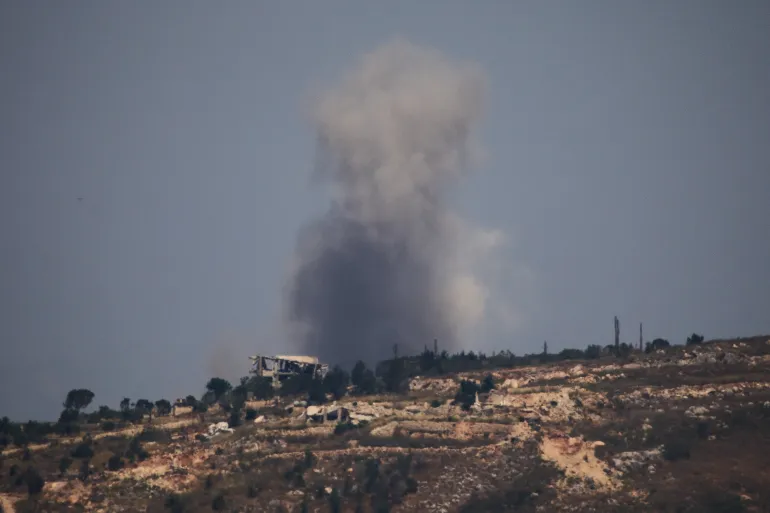
A French soldier serving with the United Nations Interim Force in Lebanon (UNIFIL) was killed in a strike in Lebanon in southern Lebanon, an incident that has drawn sharp international condemnation and prompted an immediate investigation.[2][4][5] Hezbollah has denied any connection to the attack, even as French President Emmanuel Macron directly blamed the Iran-backed group for the assault.[1] The deadly event unfolded just days after Israel and Lebanon announced a 10-day ceasefire, highlighting ongoing tensions in the region.[2] UNIFIL has launched a probe into the matter, describing the perpetrators as "non-state actors," with one soldier killed and three others wounded in the violence.[4][5] Macron condemned the "unacceptable attack" during phone calls with Lebanese leaders, underscoring France's strong stance on the protection of its peacekeepers.[3]
The Incident in Southern Lebanon
The core event took place in southern Lebanon, where a French soldier serving with UNIFIL lost his life during an attack on peacekeeping forces.[2][4][5] Specifically, the strike in Lebanon occurred in Ghanduriyah village, a location in the volatile border area where UNIFIL maintains its operations to monitor ceasefire agreements and promote stability.[5] UNIFIL, the United Nations peacekeeping mission deployed along the Blue Line separating Lebanon and Israel, has long faced challenges from sporadic violence amid entrenched regional conflicts.[4] On Saturday 18, the peacekeepers came under fire, marking a direct assault on the multinational force tasked with maintaining peace.[4][5]
Details emerging from UNIFIL's initial accounts paint a picture of a targeted engagement involving armed assailants identified preliminarily as non-state actors.[5] The deputy spokesperson for UNIFIL, Tilak Pokharel, provided insights into the sequence of events during an appearance on FRANCE 24, shedding light on the circumstances surrounding the French soldier's death.[4] This incident represents a significant breach of the security protocols that UNIFIL personnel adhere to while patrolling sensitive areas in southern Lebanon.[2] The attack's precision and timing have raised questions about the operational environment for international peacekeepers, who operate in a region fraught with militia activities and cross-border tensions.[5] French forces, as a key contributor to UNIFIL, have been integral to the mission's mandate, which includes de-escalation efforts and support for the Lebanese Armed Forces.[4] The loss of the soldier underscores the inherent risks faced by those deployed in such peacekeeping roles, where routine patrols can swiftly turn perilous.[2]
Official Responses to the Attack
Key figures responded swiftly to the strike in Lebanon, with French President Emmanuel Macron at the forefront of condemnations.[1][3] In separate calls with Lebanese President Joseph Aoun and Prime Minister Nawaf Salam, Macron labeled the attack as "unacceptable," emphasizing France's commitment to the safety of its troops serving under the UN banner.[3] This diplomatic outreach highlights the bilateral ties between France and Lebanon, where Paris maintains significant influence and historical connections.[3]
Hezbollah, the Iran-backed armed group operating prominently in southern Lebanon, issued a firm denial of any involvement in the incident.[1] The group's statement rejecting "any connection" to the attack came amid Macron's public attribution of responsibility to them, creating a clear point of contention in the official narratives.[1] Such exchanges reflect the complex web of accusations and counterclaims that often characterize incidents in the area, where multiple factions vie for influence.[1] Macron's blame on Hezbollah aligns with longstanding Western concerns over the group's military activities, which have frequently intersected with UNIFIL operations.[1] These responses from Paris and Hezbollah set the tone for international scrutiny, as stakeholders weigh the implications for regional stability and peacekeeping efficacy.[3]
Context of the Ceasefire
The timing of the attack could not have been more poignant, occurring just days after Israel and Lebanon announced a 10-day ceasefire.[2] This fragile truce was intended to provide a brief window for de-escalation amid heightened hostilities, yet the strike in Lebanon exposed vulnerabilities in the agreement's early stages.[2] The ceasefire announcement represented a momentary diplomatic breakthrough, aimed at reducing cross-border exchanges of fire that have plagued the Israel-Lebanon frontier.[2]
UNIFIL's role becomes particularly critical in such contexts, as the force monitors compliance with cessation of hostilities and facilitates dialogue between parties.[2] The rapid onset of violence against peacekeepers suggests that underlying tensions persist despite formal declarations, challenging the ceasefire's ability to hold without robust enforcement.[2] Lebanon's southern border remains a hotspot, where announcements like the 10-day pause often serve as precursors to negotiations but are undermined by sporadic actions from various actors.[2] This incident arrives at a juncture when international observers were hopeful for sustained calm, making the French soldier's death a stark reminder of the ceasefire's precarious nature.[2]
UNIFIL's Investigation
UNIFIL has initiated a comprehensive probe into the attack, focusing on the involvement of "non-state actors" responsible for the assault on its personnel.[4][5] The investigation aims to clarify the identity, motives, and methods of those who fired upon the peacekeepers in Ghanduriyah village, providing a factual basis for accountability.[5] Deputy spokesperson Tilak Pokharel's briefing to FRANCE 24 offered preliminary clarifications, noting what is currently known about the perpetrators while stressing the ongoing nature of the inquiry.[4]
Such probes are standard procedure for UNIFIL following security incidents, involving forensic analysis, witness statements, and coordination with Lebanese authorities.[4][5] The designation of "non-state actors" points to irregular armed elements operating outside official state control, a category that has repeatedly complicated peacekeeping efforts in southern Lebanon.[5] UNIFIL's commitment to transparency in this process is evident, as it seeks to determine responsibility and prevent future occurrences.[4] The investigation's findings could influence future deployments and international responses, given the mission's mandate to uphold peace amid diverse threats.[5]
Casualties and Immediate Aftermath
The attack resulted in one soldier killed and three others wounded, with the fatalities including the French peacekeeper serving with UNIFIL.[5] Peacekeepers came under fire in Ghanduriyah village, prompting an immediate response to secure the area and evacuate the injured.[5] Medical attention was provided swiftly to the wounded, reflecting UNIFIL's preparedness for such contingencies in high-risk zones.[5]
In the immediate aftermath, UNIFIL bolstered its security measures, while the loss reverberated through the multinational force and French military circles.[5] The casualties highlight the human cost of peacekeeping in southern Lebanon, where personnel face direct threats from armed confrontations.[5] Initial actions focused on preserving evidence for the investigation and ensuring the safety of remaining troops, as the mission continues its vital work despite the setback.[5]
What to watch next: UNIFIL's ongoing investigation into the non-state actors behind the attack, along with further statements from French and Lebanese leaders, will provide critical updates on accountability and regional responses.[4][5]