Strike in Lebanon: Israeli Attacks Kill 14 Despite Truce
Lebanon has reported that Israeli strikes have killed 14 people despite an existing truce, escalating tensions in the region.[3] This strike in Lebanon comes amid a fragile ceasefire agreement, with both Israeli forces and Hezbollah exchanging accusations of violations and launching targeted operations.[5] Hezbollah has responded by deploying suicide drones and claiming hits on Israeli military assets, while Israel has conducted fresh attacks on Hezbollah infrastructure.[1][2][4]
Overview of Recent Strikes
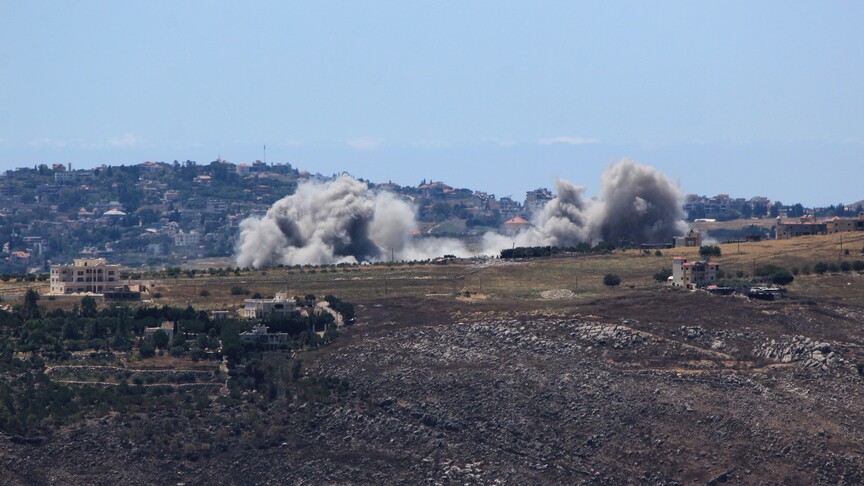
The recent Israeli military actions in Lebanon represent a significant escalation, with strikes reported to have caused substantial casualties even as a U.S.-brokered ceasefire remains in effect.[5] Lebanon's reports highlight that these Israeli strikes killed 14 people on Sunday, underscoring the immediate human cost of the ongoing exchanges.[3][5] The Israel Defense Forces (IDF) carried out these operations on Monday, focusing on Hezbollah targets, which occurred despite the truce extension until mid-May.[5] This pattern of strikes illustrates the challenges in maintaining the ceasefire, as Israeli forces have initiated fresh attacks described as responses to perceived threats from Hezbollah.[4][5] The casualties reported by Lebanon emphasize the intensity of these operations, with the strikes hitting areas where Hezbollah maintains a presence, leading to direct confrontations.[3] Analysts note that such actions disrupt any momentum toward de-escalation, as the strikes not only target infrastructure but also result in reported deaths that fuel further cycles of retaliation.[5] Lebanon's official statements frame these events as violations occurring against the backdrop of an agreed truce, highlighting the discrepancy between diplomatic efforts and on-the-ground realities.[3]
Hezbollah's Counteractions
Hezbollah has mounted a robust response to Israeli actions through the use of suicide drones, which are posing a notable challenge to Israeli forces operating in Lebanon.[1] These drones, launched by the Lebanese group, are part of Hezbollah's vowed countermeasures against what it describes as Israeli ceasefire violations.[1] In a specific operation, Hezbollah claimed to have successfully hit an Israeli tank and bulldozer in southern Lebanon, framing the attack as a direct retaliation.[2] This use of drones and precision strikes demonstrates Hezbollah's tactical adaptation, allowing it to engage Israeli positions remotely and effectively.[1] The group's statements emphasize that these counteractions are proportionate responses, aimed at deterring further incursions and protecting Lebanese territory.[2] By targeting high-value assets like tanks and bulldozers, Hezbollah signals its capability to sustain pressure on Israeli forces, even under the constraints of a ceasefire.[1][2] This escalation in Hezbollah's drone operations complicates Israel's ground maneuvers, as the unmanned aerial threats require constant vigilance and defensive measures.[1] The Lebanese militant group's persistence in these activities underscores its commitment to responding forcefully, potentially prolonging the conflict despite truce agreements.[2]
Ceasefire Violations and Accusations
Mutual accusations of ceasefire breaches have defined the current dynamics between Israel and Hezbollah, with both sides pointing fingers at the other for undermining the U.S.-brokered agreement extended until mid-May.[5] Israel has launched strikes that Lebanon reports killed 14 people, actions it justifies as necessary against Hezbollah threats.[3][5] Hezbollah, in turn, continues its attacks on Israeli forces and northern towns, which Israel cites as provocations warranting retaliation.[5] The Israeli army's fresh attacks are explicitly labeled by sources as a new ceasefire violation, targeting Hezbollah infrastructure in response to these ongoing threats.[4] Hezbollah's operations, including drone strikes and hits on Israeli vehicles, are presented by the group as reactions to Israeli violations, creating a tit-for-tat narrative.[2] This back-and-forth erodes trust in the truce, as each side's military actions are rationalized as defensive or retaliatory.[4][5] The context of these violations reveals a fragile peace, where minor infractions lead to broader engagements, perpetuating instability.[2][5] Lebanon's perspective amplifies the severity, linking the strikes directly to the truce's failure.[3]
Targeted Locations and Operations
Specific regions in Lebanon have borne the brunt of these military activities, with southern Lebanon and the Bekaa region emerging as focal points.[4][5] The Israeli army has launched attacks on Hezbollah infrastructure precisely in southern Lebanon and the Bekaa Valley, areas known for the group's strongholds.[4][5] These strikes by the IDF targeted command centers, weapon storage, and other militant assets, occurring on Monday amid the ceasefire tensions.[5] Hezbollah's responses have concentrated in southern Lebanon, where it claimed to strike an Israeli tank and bulldozer, highlighting the border area's volatility.[2][4] The Bekaa region's involvement expands the scope of operations, as Israeli strikes there aim to degrade Hezbollah's logistical capabilities deeper inland.[5] This geographic concentration facilitates rapid escalations, as forces on both sides maintain proximity along these fronts.[4] Operations in these locations not only disrupt Hezbollah's operations but also risk civilian areas, contributing to the reported casualties.[3][5] The precision of targeting infrastructure in southern Lebanon and Bekaa underscores Israel's strategic focus on weakening Hezbollah's operational base.[4]
Current Situation
The ongoing exchanges reflect a precarious balance, with Hezbollah's suicide drones continuing to challenge Israeli forces in Lebanon.[1] Israeli strikes have resulted in 14 deaths according to Lebanese reports, despite the truce, indicating sustained military activity.[3] Hezbollah's vows to counter violations through drone launches maintain pressure on Israeli positions, while Israel's responses target key infrastructure.[1][4] This situation persists with both sides actively engaged, as accusations fly and operations continue unabated.[5] The use of advanced tactics like suicide drones by Hezbollah adds a layer of complexity to Israel's defensive posture.[1] Lebanon's casualty figures highlight the human toll, pressing for international attention to the truce's enforcement.[3]
What to watch next: Observers should monitor whether the U.S.-brokered ceasefire holds beyond mid-May amid ongoing accusations of violations, with potential for further Israeli strikes on Hezbollah infrastructure and Hezbollah drone responses escalating the exchanges.[5]