Strike in Lebanon: French UN Peacekeeper Killed in Southern Attack
A French UN peacekeeping soldier was killed in an attack in southern Lebanon, prompting condemnation from UN Secretary-General Antonio Guterres and accusations from French President Emmanuel Macron that Hezbollah was responsible.[1][2] This strike in Lebanon has heightened tensions in the region, coming amid fragile ceasefire efforts and ongoing military enforcements by Israel.
Overview of Recent Events in Southern Lebanon
Recent developments in southern Lebanon have seen a series of violent incidents that underscore the precarious security situation following a ceasefire. A French soldier serving with the UN Interim Force in Lebanon (UNIFIL) was killed in an attack, with three others wounded, drawing sharp international rebuke.[1][2] UN Secretary-General Antonio Guterres condemned the attack, stating that "these attacks must stop" and urging all parties to respect the cessation of hostilities and adhere to the ceasefire.[1]
In a separate event, an Israeli soldier succumbed to wounds from a bomb blast in southern Lebanon, where three other soldiers were also injured.[3] The Israeli army has been actively enforcing what it calls a "yellow line," described as a self-declared buffer zone, and has claimed to have targeted individuals approaching it.[4] This enforcement marks the first time Israel has publicly referred to the "Yellow Line" in this context.[4]
Further escalating matters, Israel conducted its first airstrikes and artillery bombardments in Lebanon since a 10-day ceasefire took effect, aimed at isolating 55 Lebanese villages.[5] These actions were cited by the Israeli military as necessary to enforce the "Yellow Line."[5] The convergence of these events—a deadly attack on UN peacekeepers, an Israeli soldier's death, and renewed Israeli strikes—signals potential unraveling of the ceasefire, with multiple parties involved in actions that challenge the agreed-upon halt in hostilities.[1][3][5]
The strike in Lebanon involving the French peacekeeper occurred on Saturday, as reported, and coincided with broader military maneuvers.[2][5] Guterres's call for restraint highlights the international concern over the sustainability of peace efforts in the area, where UNIFIL operates to maintain stability.[1] Israel's operations, including the buffer zone enforcement, represent a proactive stance amid perceived threats, while the bomb blast affecting Israeli forces adds another layer of complexity to the conflict dynamics.[3][4] These incidents collectively illustrate a pattern of cross-border violence that tests the ceasefire's limits, with casualties on multiple sides drawing attention from global leaders.[1][2][3]
Key Facts from Recent Incidents
Hezbollah has denied involvement in the attack that killed the French soldier and wounded three others, countering direct accusations leveled against it.[2] In parallel, an Israeli soldier died from wounds sustained in a separate bomb blast in southern Lebanon, with three other soldiers wounded, according to the Israeli army.[3]
The Israeli military has enforced a "yellow line," a self-declared buffer zone, and stated that it targeted individuals approaching this line, marking the first public acknowledgment of this term by Israel.[4] Additionally, Israel launched its first airstrikes and artillery bombardments in Lebanon since the ceasefire to isolate 55 villages, framing these as enforcement measures.[5]
These facts paint a picture of multifaceted engagements in southern Lebanon, where peacekeepers, Hezbollah, and Israeli forces are central actors. The denial by Hezbollah comes amid claims of responsibility from French leadership, while Israeli casualties from the bomb blast introduce another vector of hostility.[2][3] The introduction of the "yellow line" concept by the Israeli army suggests a strategic redefinition of operational boundaries, potentially altering ground realities post-ceasefire.[4] The airstrikes targeting villages further indicate Israel's commitment to maintaining separation, even at the risk of renewed escalation.[5] Together, these elements highlight the fragility of the current truce, with each incident feeding into a cycle of action and reaction.
{IMAGE_2}
Attack on UN Peacekeepers
The attack on UNIFIL peacekeepers in southern Lebanon resulted in the death of a French soldier, with three others wounded, as announced by French President Emmanuel Macron.[2] This incident prompted immediate international condemnation, particularly from UN Secretary-General Antonio Guterres, who labeled it an unacceptable violation and demanded that "these attacks must stop."[1] Guterres emphasized the need for all parties to respect the cessation of hostilities and fully adhere to the ceasefire agreement.[1]
Macron stated that "everything suggests" Hezbollah's responsibility for the attack, which occurred on Saturday in southern Lebanon.[2] The Iran-backed group swiftly denied any involvement, rejecting the accusations outright.[2] The French soldier was part of UNIFIL, the UN peacekeeping mission tasked with monitoring the fragile peace along the Israel-Lebanon border.[1][2] This strike represents a direct threat to multinational forces operating under UN mandate, raising questions about their safety in an area still rife with tensions.[1]
The wounding of three additional individuals alongside the fatality underscores the intensity of the assault, which has reverberated through diplomatic channels.[2] Guterres's remarks serve as a clarion call amid reports of concurrent military activities, positioning the UNIFIL attack within a broader context of ceasefire challenges.[1] The loss of a peacekeeper not only diminishes UNIFIL's operational capacity but also symbolizes the human cost of faltering de-escalation efforts in southern Lebanon.[1][2]
Israeli Military Actions and Enforcements
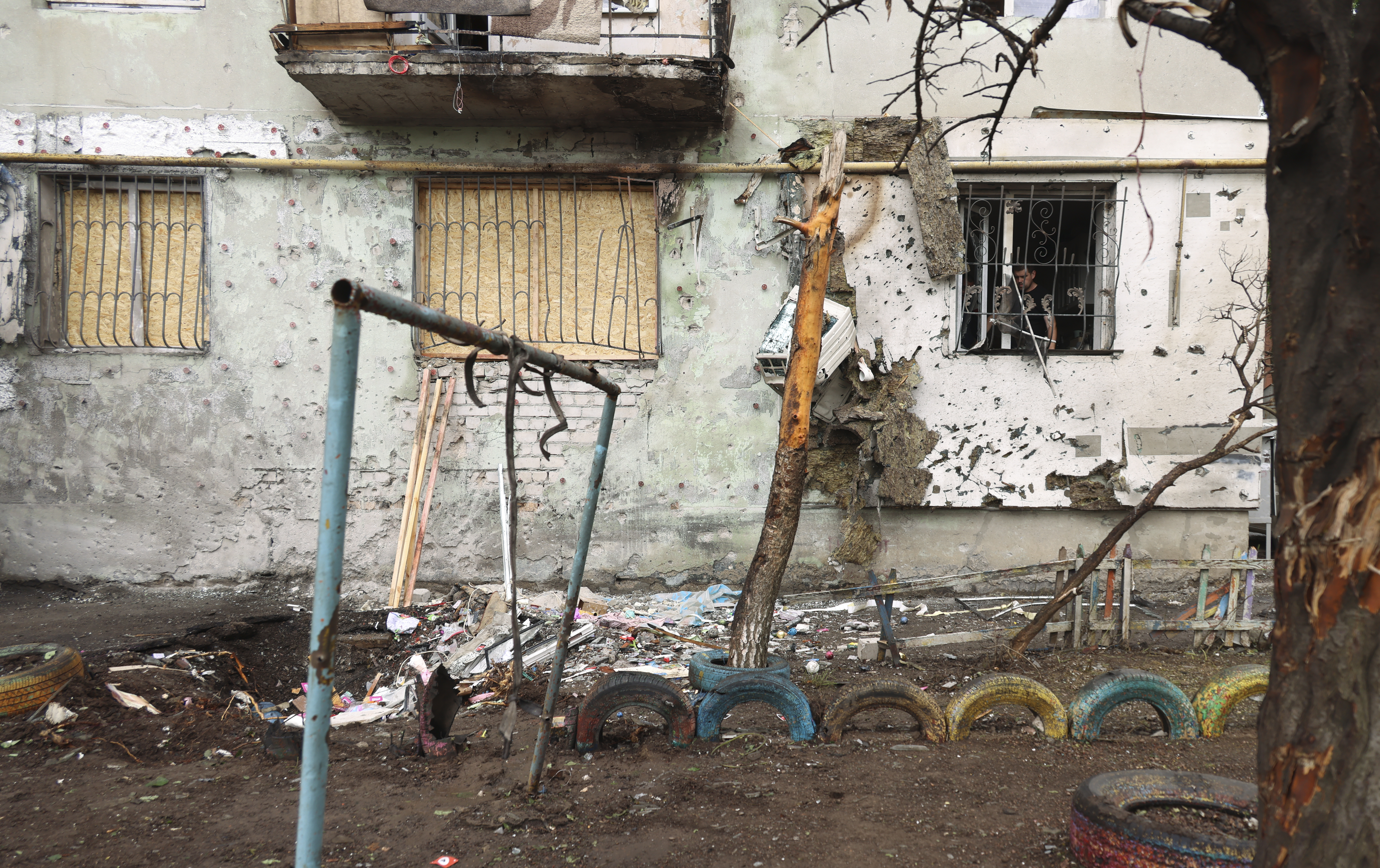
Israel has taken significant steps to assert control in southern Lebanon, including the enforcement of a "yellow line" described as a self-declared buffer zone.[4] The Israeli army claimed to have targeted individuals approaching this line, with this representing the first public reference to the "Yellow Line" by Israel.[4] In conjunction, the military launched a series of airstrikes and artillery bombardments on Saturday, marking the first such operations since a 10-day ceasefire took effect.[5] These strikes were explicitly aimed at isolating 55 Lebanese villages to enforce the buffer zone.[5]
An Israeli soldier also succumbed to wounds from a bomb blast in southern Lebanon, with three others injured, highlighting vulnerabilities even as Israel pursues aggressive enforcement.[3] The "yellow line" initiative appears designed to create physical separation, potentially preventing incursions or buildups near Israeli positions.[4] The timing of the airstrikes, immediately following the ceasefire, indicates Israel's prioritization of security measures over prolonged restraint.[5]
This pattern of actions—buffer zone enforcement combined with precision strikes—reflects a doctrine of preemption in a volatile border region.[3][4][5] The bomb blast incident further complicates Israel's operations, as it reveals ongoing threats from explosive devices amid infantry movements.[3] By publicly naming the "yellow line," Israel may be signaling a long-term strategy to redefine the security landscape, independent of broader agreements.[4] The isolation of 55 villages through bombardments carries implications for local populations and could strain the ceasefire's viability if perceived as expansionist.[5]
{IMAGE_3}
Accusations and Denials
French President Emmanuel Macron directly accused Hezbollah of responsibility for the attack that killed the French UNIFIL soldier and wounded three others in southern Lebanon.[2] Macron's statement that "everything suggests" Hezbollah's involvement came swiftly after the Saturday incident, framing it as a deliberate act by the Iran-backed group.[2] Hezbollah, in response, denied any role in the attack, categorically rejecting the claims made by the French leader.[2]
This exchange of accusations and denials occurs against a backdrop of heightened suspicions in the region, where attributions of blame often fuel further tensions.[2] Macron's remarks carry weight given France's stake in UNIFIL, with the soldier's death representing a national loss.[2] Hezbollah's denial aims to deflect international pressure, particularly as it positions itself amid broader geopolitical rivalries.[2] The lack of independent verification in immediate reports leaves the narrative contested, yet the rhetoric underscores the attribution challenges in opaque conflict zones.[2]
International Calls for Adherence to Ceasefire
UN Secretary-General Antonio Guterres issued a strong condemnation of the attack on the UNIFIL mission that killed the French peacekeeper, urging an immediate end to such violence.[1] He explicitly stated, "These attacks must stop," and called on all parties to respect the cessation of hostilities and adhere fully to the ceasefire.[1] This appeal comes at a critical juncture, as recent strikes and enforcements test the agreement's resilience.[1]
Guterres's position reflects the UN's broader mandate to stabilize southern Lebanon through UNIFIL, making peacekeeper safety paramount.[1] The call for ceasefire adherence serves as a diplomatic bulwark against escalation, emphasizing collective responsibility amid accusations and military actions.[1] By highlighting the need to halt attacks, Guterres addresses not only the French soldier's death but the pattern of incidents threatening regional peace.[1]
What to watch next
Observers will monitor whether Israel's enforcement of the "yellow line" and strikes lead to further responses, alongside adherence to Guterres's ceasefire calls and resolutions to accusations against Hezbollah.[1][2][4][5]