
Strike in Lebanon: Four Killed in Israeli Attacks Despite Ceasefire
Israeli strikes have killed at least four people in southern Lebanon despite a recently extended ceasefire.[2][3][5] This strike in Lebanon underscores the fragile nature of the truce, with five deaths reported in the past 24 hours amid ongoing violations.[1] Over 2,490 people have been killed in Lebanon due to Israeli attacks since March 2,[1] and the latest incidents targeted areas including Yohmor al-Shaqif, Qantara, Qusayr, Wadi Hassan, and Houla.[5] Hezbollah's rocket fire toward Israel has further complicated efforts to maintain the ceasefire.[2]
Recent Israeli Strikes in Lebanon
The most recent Israeli strikes in southern Lebanon occurred on Saturday, resulting in four fatalities as reported by Lebanon's state news agency.[2][3] These attacks involved artillery shelling on multiple locations, including Qantara, Qusayr, Wadi Hassan, Yohmor al-Shaqif, and Houla.[5] In Yohmor al-Shaqif specifically, raids targeted a truck and a motorcycle, leading to the deaths of four individuals.[3] This strike in Lebanon highlights a pattern of targeted operations amid a backdrop of reduced but persistent hostilities.[2] Lebanon's state media detailed the precision of these strikes, noting their impact on civilian and potentially militant-associated vehicles in the area.[3] The Israeli military's actions came shortly after reports of Hezbollah rocket fire, framing these strikes as responses to perceived threats.[2] Such exchanges illustrate the immediate challenges in de-escalating tensions, with state media emphasizing the human cost in real time.[2][5] The strikes' timing, just days into an extended ceasefire, raises questions about the triggers and immediacy of these military responses, though official statements from both sides point to mutual accusations of violations.[2]
Casualties and Affected Areas
Casualties from the recent strikes numbered at least four in southern Lebanon, with state media confirming deaths in Yohmor al-Shaqif from attacks on a truck and motorcycle.[3][5] Broader reporting indicates five deaths in the past 24 hours, aligning with continued ceasefire violations.[1] The affected areas spanned several towns: Yohmor al-Shaqif saw direct raids, while Qantara, Qusayr, Wadi Hassan, and Houla endured artillery shelling.[5] These locations, all in southern Lebanon, represent frontline zones in the ongoing conflict dynamics.[3] The concentration of strikes in these rural and border-proximate areas underscores their strategic significance, often linked to Hezbollah operations or supply lines, though specific targets in this instance included vehicles that state media described without further militant affiliation details.[3] Over the past day, these incidents contributed to a toll that state agencies tracked meticulously, reflecting the localized devastation in communities already strained by prior exchanges.[1][5] The pattern of vehicle-targeted strikes suggests an intent to disrupt mobility, with immediate outcomes including loss of life and potential disruption to local movement.[3]
Ceasefire Status and Violations
The ceasefire between Israel and Lebanon, recently extended, has led to a significant reduction in hostilities overall.[2] However, recent events demonstrate its tenuous nature, with Israeli strikes killing four despite the truce's prolongation.[2][5] Hezbollah's firing of rockets at Israel represents a key challenge, prompting Israeli responses and mutual claims of violations.[2] State media and military statements highlight these as the latest breaches in a fragile agreement aimed at halting cross-border fire.[2] The extension was intended to build on initial de-escalation, yet persistent deadly strikes indicate incomplete adherence.[4] Civilian returns to southern areas amid destruction signal cautious optimism, but ongoing clashes undermine stability.[4] These violations occur against a backdrop of artillery shelling and rocket exchanges, testing the ceasefire's enforcement mechanisms.[2] The agreement's structure, while reducing large-scale operations, has not eliminated tit-for-tat actions, as evidenced by the Saturday strikes following reported Hezbollah activity.[2]
Broader Impact of the Conflict
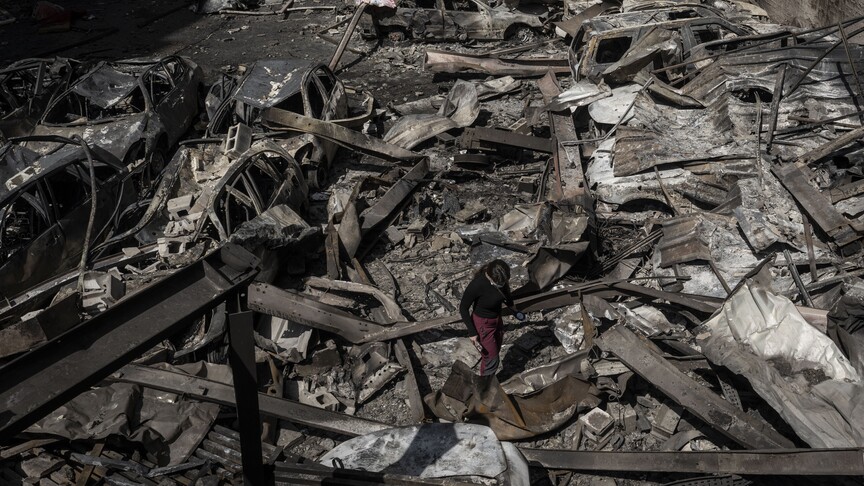
Since March 2, Israeli attacks have resulted in over 2,490 deaths in Lebanon, a cumulative toll that contextualizes the latest incidents.[1] This figure encompasses a sustained campaign with varying intensity, now intersecting with ceasefire efforts.[1][4] The past 24 hours alone saw five deaths linked to violations, amplifying the human cost amid an extended truce.[1] Broader effects include widespread destruction and displacement in southern Lebanon, where civilians have begun returning despite risks.[4] The persistence of strikes, even post-extension, contributes to a cycle of devastation that has reshaped communities along the border.[4] These attacks have not only claimed lives but also exacerbated displacement, with reports of civilians navigating rubble and ongoing threats.[4] The overall death toll since March reflects a conflict phase marked by aerial and artillery operations, now complicated by truce dynamics.[1] This extended impact underscores the challenges in transitioning from active hostilities to sustained peace, with each violation adding to the ledger of losses.[1][4]
Responses and Ongoing Situation
In response to the strikes, Lebanon's state news agency promptly reported the casualties and locations, while the Israeli military cited Hezbollah rocket fire as justification.[2][5] Hezbollah's actions, including rockets directed at Israel, have been positioned by Israel as direct challenges to the ceasefire.[2] This exchange of fire illustrates reciprocal responses, with both sides documenting violations to support their narratives.[2][4] The situation remains fluid, with deadly strikes persisting despite the truce extension, as civilians tentatively return south amid destruction.[4] Ongoing clashes on the ground compound the risks, maintaining a state of heightened alert.[4] Military statements from Israel emphasize defensive measures against rocket threats, while Lebanese reporting focuses on the strikes' toll.[2] These developments signal no immediate resolution, with the extended ceasefire under strain from these parallel actions.[2][4]
What to watch next: Continued monitoring of ceasefire violations is essential, as Hezbollah rocket fire and Israeli strikes could further erode the truce, potentially leading to escalated exchanges despite the recent extension.[2][4]