Strike in Lebanon: Death Toll from Israeli Offensive Reaches 2,659
Israel has launched strikes on southern Lebanon, with the death toll reaching 2,659 amid ongoing military actions.[4] In what marks a significant escalation in the strike Lebanon conflict, Israeli forces have targeted areas in the south, including positions claimed to belong to Hezbollah, even as a ceasefire has been in place since April.[3] The Lebanese Health Ministry has reported these stark figures, underscoring the human cost of the offensive.[4][5]
Key Facts
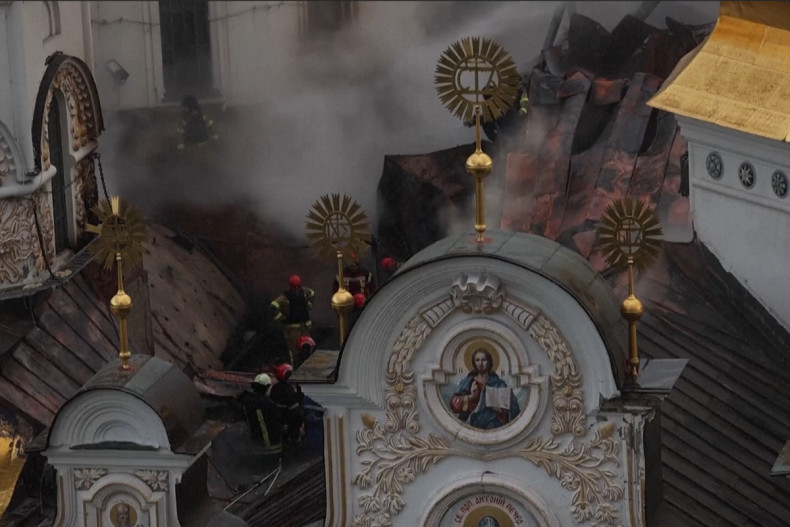
The core elements of the current situation in southern Lebanon highlight the intensity and persistence of the military engagements. Israel has conducted strikes targeting Hezbollah positions in the region, continuing despite the existence of a ceasefire agreement that took effect on April 16.[3] Official tallies from the Lebanese Health Ministry indicate that the death toll from Israel's latest offensive has climbed to 2,659, with nearly 8,183 individuals injured.[4] Recent strikes have resulted in at least 13 fatalities, among them four women and a child, as confirmed by the health ministry.[5] Additionally, Israel faces accusations of destroying a Christian convent in one of its attacks, prompting church leaders to issue warnings about a pattern of assaults on Christian communities in Lebanon.[2]
These facts paint a picture of unrelenting military activity in a volatile border area, where civilian casualties and damage to religious sites have drawn particular attention. The health ministry's reports serve as the primary source for casualty numbers, providing a consistent metric amid the chaos.[4][5] The targeting of Hezbollah, as stated by Israel, occurs against the backdrop of a ceasefire that appears to be under strain, raising questions about compliance and enforcement mechanisms.[3] The incident involving the Christian convent has been highlighted by church figures, including Cardinal Bechara al-Rai, Maronite Patriarch of Antioch, who has been active in predominantly Christian villages near the Israeli border, such as Jdeidet Marjeyoun.[2] This convergence of military, humanitarian, and religious dimensions underscores the multifaceted impact of the strikes.
Overview of Ongoing Strikes
Israel has launched a series of attacks across several parts of southern Lebanon, with military claims centering on Hezbollah targets.[3] These operations persist despite the theoretical implementation of a ceasefire on April 16, indicating a complex operational environment where security objectives appear to override temporary truces.[3] Reports describe the strikes as new attacks, suggesting a pattern of renewed or intensified aerial and possibly ground-based engagements in the region.[3]
The scope of these strikes encompasses multiple locations in the south, a area long associated with Hezbollah's presence and cross-border tensions.[3] Israel's stated rationale focuses on neutralizing threats from the militant group, which has been a recurring point of contention.[3] This overview aligns with broader reporting on Israel pounding Lebanon, framing the actions within a context of sustained military pressure.[1] The ongoing nature of these strikes implies logistical preparations, intelligence gathering, and execution that span days or weeks, contributing to a cycle of escalation.[3]
From a strategic perspective, southern Lebanon's geography—proximate to Israel's northern border—makes it a focal point for preemptive or retaliatory measures.[3] The strikes' frequency and distribution across "several parts" suggest comprehensive coverage rather than isolated incidents, aimed at degrading infrastructure or personnel linked to Hezbollah.[3] Health ministry updates on casualties further contextualize the strikes' reach, as civilian areas inevitably intersect with military zones in densely populated southern villages.[5] This overview, drawn directly from on-the-ground reporting, emphasizes the immediacy and breadth of Israel's military posture in the strike Lebanon theater.[3]

Israeli strikes target areas in southern Lebanon. — Source: thenewarab
Casualty and Injury Reports
The Lebanese Health Ministry has documented a severe human toll from Israel's latest offensive, with the death toll reaching 2,659 and injuries numbering nearly 8,183.[4] These figures represent cumulative impacts from the ongoing strikes, providing an official benchmark for the scale of devastation in southern Lebanon.[4] Recent specific strikes have claimed at least 13 lives, including four women and a child, highlighting the vulnerability of non-combatants in the affected areas.[5]
Breaking down the casualty reports reveals a grim progression: the health ministry's role as the authoritative voice ensures standardized counting methods, likely encompassing both direct strike victims and those succumbing to related injuries.[4][5] The injury figure of 8,183 suggests widespread physical trauma, potentially straining Lebanon's medical infrastructure in the south, where hospitals may be overwhelmed by influxes from strike zones.[4] The inclusion of women and children in the latest fatalities—four women and one child among the 13—points to incidents occurring in residential or communal settings, amplifying the humanitarian crisis.[5]
These reports are not isolated; they build on prior offensives, with the 2,659 deaths marking a milestone in the offensive's lethality.[4] Health ministry statements serve as real-time updates, often released promptly after strikes to inform both domestic and international audiences.[5] The disparity between deaths and injuries—over three times as many wounded—indicates survival rates influenced by medical access, but also long-term suffering from disabilities or psychological effects.[4] In the context of strike Lebanon operations, these numbers quantify the offensive's footprint, urging attention to evacuation protocols, aid delivery, and border medical support.[4][5]
Specific Incidents and Targets
Notable among the strikes is the accusation against Israel for destroying a Christian convent in Lebanon, described as part of a latest attack on Christians.[2] Church leaders have warned of a growing pattern of Israeli attacks on Christian communities not only in Lebanon but also in Israel and the occupied Palestinian territories.[2] This incident has been spotlighted in reporting from the region, with imagery of Cardinal Bechara al-Rai, Maronite Patriarch of Antioch, praying behind an icon of the Virgin Mary with Child at a church in the predominantly Christian village of Jdeidet Marjeyoun near the Israeli border.[2]
The destruction of the convent represents a targeted or collateral strike on a religious site, prompting ecclesiastical responses that frame it within broader concerns for Christian safety.[2] Jdeidet Marjeyoun's location—near the border—places it in the strike Lebanon frontline, where military operations risk enveloping civilian and sacred spaces.[2] Church leaders' warnings suggest repeated incidents, aggregating damage to community infrastructure and morale.[2]
This specific case underscores the intersection of military targets and civilian-religious landmarks, with Hezbollah positions potentially nearby, leading to overlap.[2] The involvement of high-profile figures like Cardinal al-Rai adds a layer of advocacy, as his presence in affected villages symbolizes resilience amid destruction.[2] Reporting on this attack emphasizes its recency, positioning it as emblematic of ongoing risks to minority groups in conflict zones.[2]
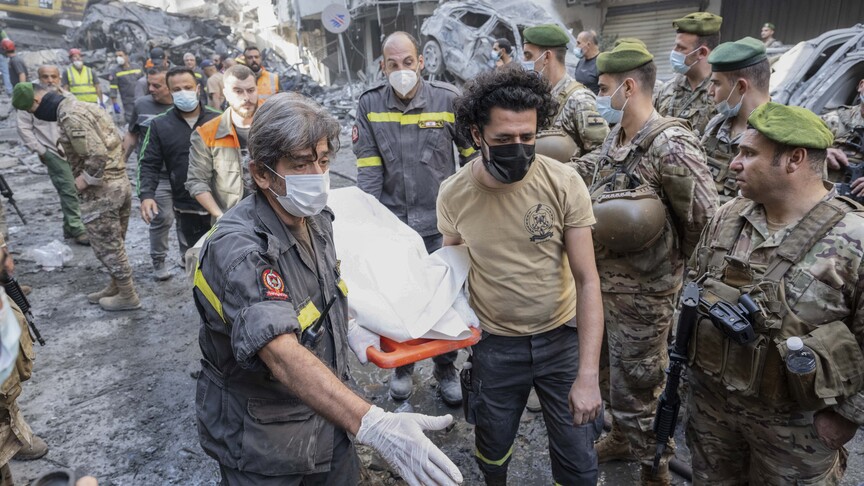
Lebanese Health Ministry reports 2,659 deaths from Israel's offensive in Lebanon. — Source: anadolu
International Context and Responses
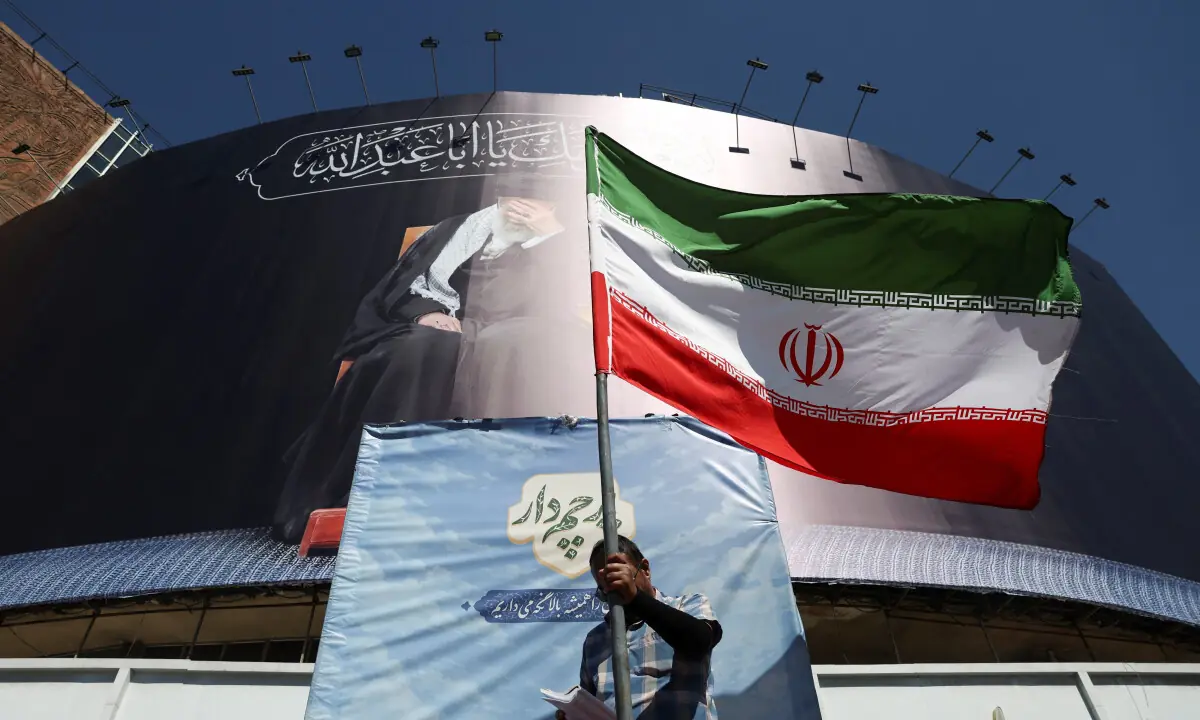
As Israel pounds Lebanon with strikes, international attention has turned to diplomatic maneuvers, including US President Trump's statement on reviewing Iran’s new 14-point plan.[1] Trump indicated he will "soon be reviewing the plan Iran has just sent to us," though he expressed skepticism about reaching a deal.[1] This comes amid the backdrop of intensified Israeli military actions in southern Lebanon, linking regional dynamics to nuclear negotiations.[1]
The timing of Trump's comments situates the strike Lebanon developments within a wider geopolitical framework, where Iran's role—potentially tied to Hezbollah support—influences responses.[1] The US president's engagement with the Iranian proposal suggests ongoing channels for de-escalation, even as strikes continue.[1] This response highlights the interplay between military escalation and diplomatic off-ramps, with Lebanon as a flashpoint.[1]
Ceasefire Status and Violations
A ceasefire has been theoretically in place since April 16, yet Israel has launched new attacks on southern Lebanon, claiming targets were Hezbollah positions.[3] This indicates potential violations or interpretations that allow for defensive strikes, challenging the truce's effectiveness.[3] The persistence of military actions post-ceasefire points to fragile enforcement, possibly due to unaddressed provocations or verification gaps.[3]
The April 16 date marks the ceasefire's inception, intended to halt hostilities but evidently not fully observed.[3] Israel's claims of targeting Hezbollah suggest a security-driven rationale overriding the agreement, raising questions about mutual adherence.[3] In the strike Lebanon context, such breaches perpetuate instability, as each strike risks retaliation cycles.[3]
What to watch next
Monitor developments around the US review of Iran’s 14-point plan, as it may influence regional dynamics amid Israel’s strikes on Lebanon,[1] alongside updates on ceasefire compliance following the April 16 agreement and health ministry casualty reports.[3][4][5]