
Strike in Lebanon: At least 12 killed in Israeli attacks on southern towns
At least 12 people were killed in Israeli strikes on southern Lebanon, as reported by Lebanese authorities, despite an ongoing ceasefire.[1][2] This strike Lebanon incident underscores the fragile nature of the truce, with military actions continuing to claim lives in the region even as diplomatic efforts aim to stabilize the border area.
Recent Israeli Strikes in Southern Lebanon
Israeli military operations in southern Lebanon have intensified, resulting in significant casualties over the past day. Lebanese authorities reported that at least 12 people were killed in strikes targeting southern towns, including one under an evacuation warning.[1] This figure aligns with broader reports of at least 12 deaths from the latest Israeli attacks, highlighting the immediacy of the violence.[2] In a specific instance, Israel carried out several airstrikes on Friday, killing at least four people in the area.[4] These actions come amid reports of 32 people killed and 74 injured in Israeli raids over the past 24 hours, according to Lebanon's Health Ministry.[3] The strikes represent a continuation of targeted operations against perceived threats, with Lebanese officials emphasizing the human cost in densely populated southern regions. The precision and frequency of these airstrikes suggest a sustained Israeli effort to neutralize immediate risks, though the overlap with civilian areas has drawn attention to the challenges of conducting such operations in contested terrain. Details from the ground indicate that the strikes hit multiple locations, contributing to the rising toll and prompting local responses to manage the aftermath, including medical evacuations and assessments of damage.[1][2][4] This pattern of recent activity illustrates the operational tempo, where airstrikes are deployed rapidly to address dynamic threats, yet they invariably intersect with civilian life in southern Lebanon.

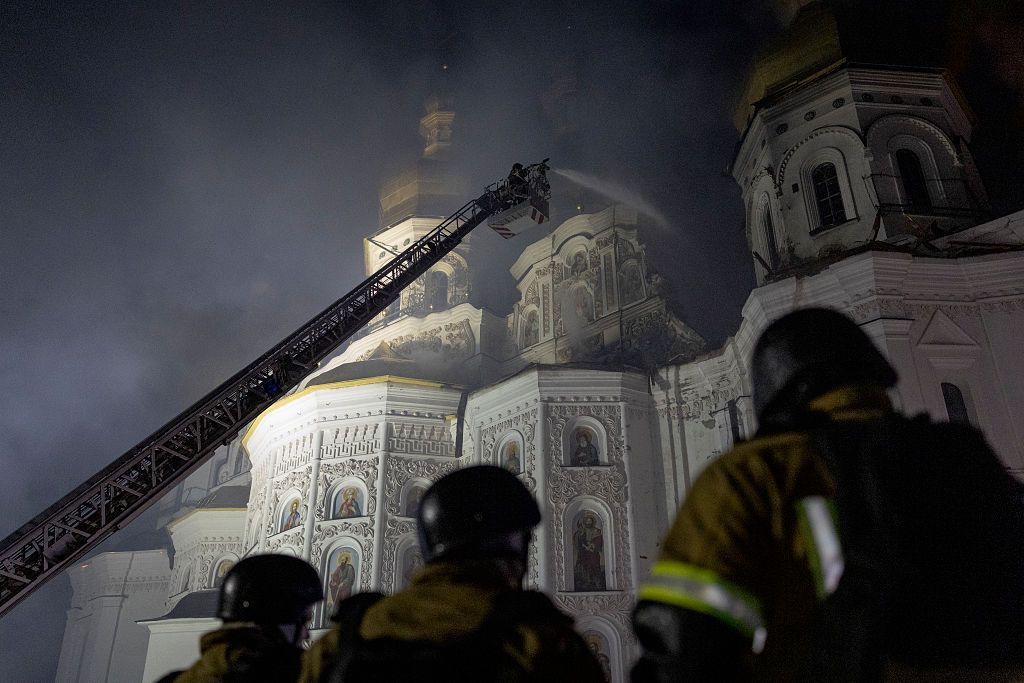
Israeli strikes in southern Lebanon kill at least 12 people. — Source: aljazeera
Overall Casualties and Impact Since March 2
The cumulative impact of the Israeli offensive in Lebanon since March 2 has been severe, with the death toll surpassing 2,600, as confirmed by health officials.[2][3] This figure encapsulates a prolonged period of conflict, marked by consistent military engagements that have strained Lebanon's healthcare infrastructure and displaced communities. Over the past 24 hours alone, 32 people were killed and 74 injured in Israeli raids, according to the Health Ministry, providing a snapshot of the ongoing intensity.[3] These numbers reflect not only direct fatalities from strikes but also the broader ripple effects, such as injuries requiring extensive medical care and the burden on emergency services in southern Lebanon. The escalation since early March indicates a strategic campaign by Israel aimed at degrading militant capabilities, but at a high human cost for Lebanon.[2] Analysts note that such casualty aggregates often include civilians caught in crossfire, though official tallies focus on verified deaths and injuries from raids.[3] The sustained pace—averaging dozens of casualties daily in recent reporting—underscores the entrenched nature of the offensive, with each day's losses compounding the national trauma. Lebanon's authorities have repeatedly highlighted these figures to international audiences, framing them as evidence of disproportionate impact amid calls for de-escalation.[2][3] This context positions the recent 12 deaths within a larger narrative of attrition, where the offensive's longevity has entrenched divisions and complicated ceasefire adherence.
Hezbollah's Responses and Cross-Border Incidents
Hezbollah has mounted retaliatory actions against Israeli positions, including the firing of rockets and drones, which have directly impacted Israeli forces.[4] In one notable incident, a Hezbollah drone crashed in northern Israel, wounding two soldiers, demonstrating the group's capability to project force across the border.[4] These responses coincide with Israeli airstrikes that killed at least four people in southern Lebanon on Friday.[4] Hezbollah's militant operations, including drone strikes, represent a tit-for-tat dynamic that sustains the cycle of violence. The wounding of Israeli soldiers highlights the effectiveness of Hezbollah's asymmetric tactics, relying on unmanned aerial vehicles to bypass traditional defenses and strike sensitive military targets.[4] Israel's military has acknowledged these incursions, framing them as provocations that necessitate preemptive or responsive strikes. This cross-border exchange illustrates the mutual vulnerabilities: Hezbollah's drones penetrating Israeli airspace, and Israeli airstrikes dominating Lebanese skies. The past 24 hours have seen this interplay intensify, with both sides reporting operational successes while downplaying losses. Such incidents fuel the narrative of persistent hostility, where each action prompts countermeasures, perpetuating insecurity along the frontier.[4]
Escalation Despite Ceasefire
Military actions persist in defiance of an ongoing ceasefire framework, with Israeli strikes continuing unabated in southern Lebanon.[1][2][5] Lebanese reports confirm 12 killed in strikes on a southern town under evacuation warning, directly challenging the truce's terms.[1] Israel's operations, including those surpassing 2,600 deaths since March 2, occur against the backdrop of this agreement, raising questions about enforcement and compliance.[2] Tensions escalate as strikes target Hezbollah positions over the past 24 hours, despite the ceasefire's intent to halt hostilities.[5] This pattern suggests that while formal ceasefires exist, operational necessities—perceived threats from Hezbollah—drive continued engagements. Regional security concerns grow, with civilians bearing the brunt, as evidenced by strikes in warned areas.[1][5] The framework's fragility is evident in the routine nature of these violations, where both sides cite self-defense to justify actions. Diplomatic channels have yet to fully stem the flow, allowing low-level escalations to undermine broader peace efforts.[2][5] Implications include heightened risks of wider conflict, as each breach erodes trust and invites retaliation.

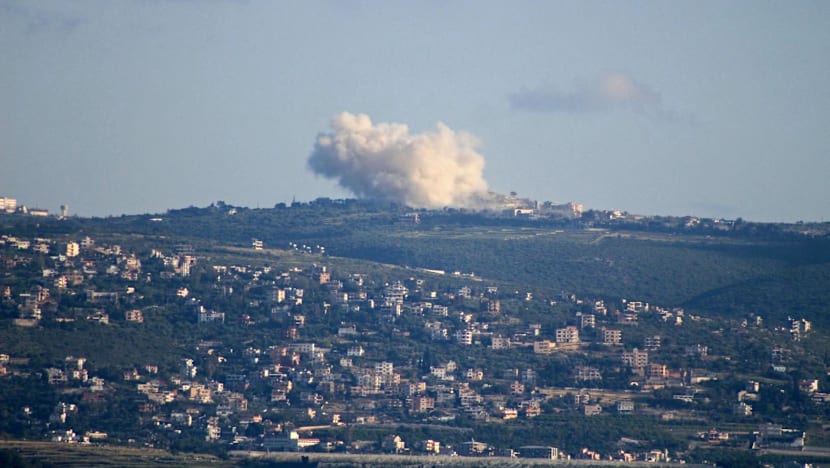
Israeli airstrikes in southern Lebanon kill at least 12 people. — Source: anadolu
Targeted Sites and Military Operations
Israel's military conducted strikes on approximately 40 Hezbollah sites in southern Lebanon over the past 24 hours, as stated by the Israeli army.[5] These operations targeted positions deemed critical to Hezbollah's infrastructure, amid persisting tensions and ceasefire concerns.[5] The scale—around 40 sites—indicates a comprehensive effort to dismantle militant networks entrenched in the region.[5] Details from military statements emphasize the precision of these strikes, aimed at neutralizing threats without broader territorial advances. This follows patterns seen in recent days, where airstrikes focus on southern strongholds, escalating despite diplomatic pauses.[5] The army's disclosure underscores confidence in the operations' effectiveness, though it also highlights the ongoing nature of the campaign. Civilian security remains a flashpoint, intertwined with these military objectives.[5] Such targeted actions form the core of Israel's strategy, balancing degradation of enemy capabilities with the constraints of a nominal ceasefire.
Civilian Risks and Evacuation Warnings
Strikes have extended into areas under evacuation warnings, amplifying dangers to non-combatants in southern Lebanon.[1] A specific town targeted despite such alerts saw 12 killed, illustrating the gap between warnings and safe zones.[1] This overlap heightens vulnerabilities, as residents navigate incomplete evacuations amid rapid military movements. Lebanese authorities have flagged these incidents as particularly egregious, given the ceasefire context.[1][2] The persistence of operations in warned areas points to intelligence-driven priorities overriding humanitarian pauses, with implications for international scrutiny. Ground realities show civilians repeatedly exposed, complicating aid delivery and recovery efforts. These risks compound the overall toll, where evacuation protocols fail to fully shield populations from the strike Lebanon fallout.[1]
What to watch next: Further Israeli strikes on Hezbollah sites and potential Hezbollah drone responses could test the ceasefire's limits, as tensions persist and regional security concerns mount.[5]