
Strait of Hormuz Standoff and Oil Price Forecast: Britain's Bid for Multilateral Mediation Challenges US-Iran Dynamics
What's Happening
The Strait of Hormuz crisis has intensified rapidly over the past week, with Iran imposing selective shipping restrictions that have disrupted 20% of global oil flows, prompting a flurry of international responses and complicating oil price forecast models. Confirmed developments include Iran's exemption of Iraq-bound vessels from its Hormuz controls, announced April 4, as a targeted concession amid broader blockades (Anadolu Agency). This follows the first successful transits by French- and Japanese-owned tankers on April 5, which navigated the strait under heightened escort, signaling tentative cracks in Iran's enforcement (Taipei Times).
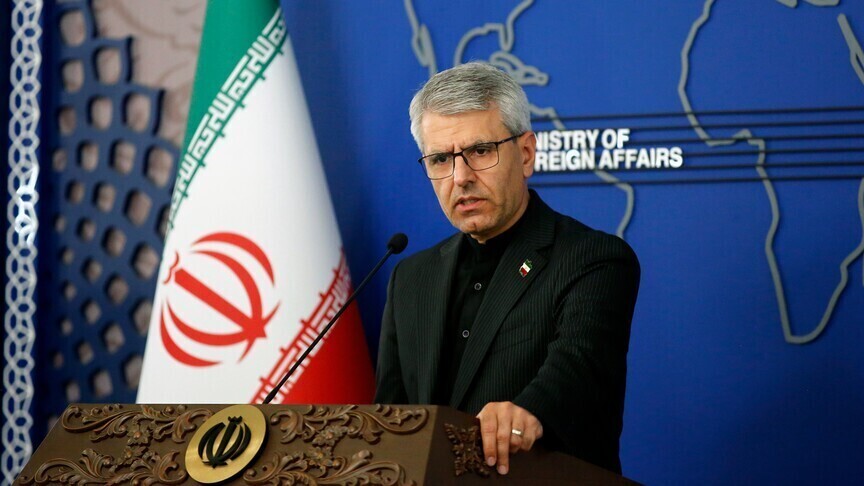
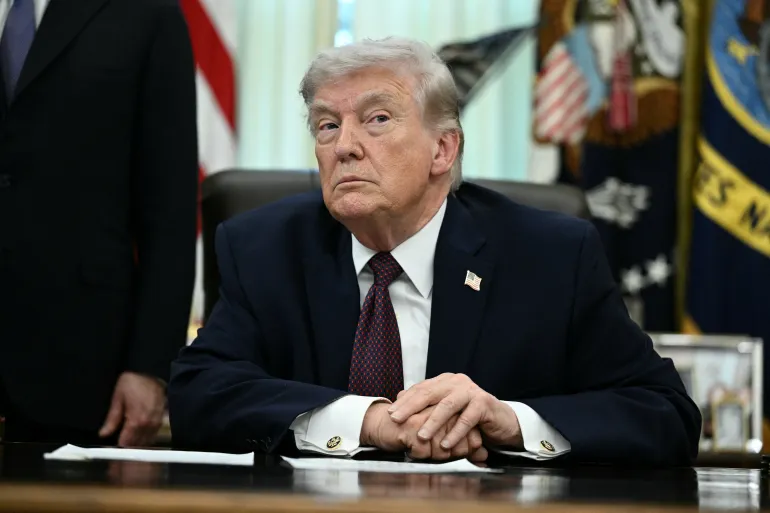
President Donald Trump's stark warning on April 4—"48 hours before all hell reigns down"—escalates the brinkmanship, tying the ultimatum to Iran's alleged mining activities and refusal to fully reopen the strait (Newsmax, Daily News Egypt, VG). Iran, in response, has reiterated it "will not relinquish control" over the waterway—its "only real leverage," per US intelligence assessments—while expressing openness to negotiations to mitigate economic fallout (The New Arab, France 24, Times of India).
Enter Britain's bold initiative: London will host talks with 35 countries, including key European Union members, Japan, India, and Gulf states, aimed at forging a consensus for de-escalation (Straits Times). This multilateral forum, convening imminently, bypasses direct US-Iran channels and emphasizes neutral mediation, with Britain positioning itself as a bridge-builder post-Brexit. Recent events, such as Iran's March 26 concession allowing Spanish vessels passage and US oil supply boosts on March 20, underscore a pattern of calibrated responses amid ongoing standoffs. Tankers have sporadically crossed since April 3, but risks persist, with French ships exiting post-tensions and Iran-Oman monitoring plans in play (recent event timeline).
These moves reflect a global scramble: Asian economies, heavily reliant on Hormuz for 80% of their oil imports, are pushing for dialogue (Asian Mediators Emerge: Pakistan and China's Peace Push Amid Middle East Escalation and Oil Price Forecast Volatility), while Europe's energy vulnerability—exacerbated by post-Ukraine diversification failures—amplifies calls for swift resolution. Confirmed transits prove Iran's restrictions are not absolute, but Trump's ticking clock raises confrontation risks, potentially involving US Marines prepositioned since March 19 plans.
Context & Background
This crisis traces a clear escalatory arc from March 11, 2026, when the US first threatened Iran over suspected mine-laying in the Strait of Hormuz, prompting Tehran's vow of "action" on March 12. Tensions ratcheted up with US Marine deployment plans announced March 19, followed by Washington's oil supply boosts into the strait on March 20 to demonstrate resolve and preempt shortages (US Geopolitical Maneuvers: Arrests of Iranian Nationals, Critical Mineral Strategies, and Oil Price Forecast Amid Rising Tensions). A brief de-escalatory flicker came March 26, when Iran offered concessions to Spain, allowing select transits amid diplomatic overtures.
By early April, the cycle repeated: Iran's partial closures, exemptions (e.g., Iraq on April 4), and monitoring pacts with Oman (April 3) mirror historical brinkmanship, akin to 2019's tanker seizures post-Soleimani strike or 2011 threats during nuclear talks. Yet, today's multilateral turn—epitomized by Britain's 35-nation summit—breaks the mold. Post-Brexit Britain seeks Gulf relevance, leveraging ties with Oman and the UAE, while France and Japan, fresh from successful transits, assert independent naval postures.
This connects to broader geopolitical patterns: US withdrawal from the 2015 JCPOA in 2018 sowed seeds for Iranian assertiveness (Iran's Technological Alliances and Oil Price Forecast: Redefining Global Power Dynamics Amid US Escalation), compounded by Trump's "maximum pressure" revival. Europe's post-Afghanistan disillusionment with US leadership, coupled with Asia's hedging via BRICS+ energy deals, frames Britain's bid as a symptom of multipolarity. The timeline illustrates repeated threat-negotiation loops: US pressure yields partial Iranian retreats (Spain, Iraq), setting the stage for today's inclusive diplomacy, which could institutionalize non-US mediation if successful. Gulf states navigate neutrality pressures amid these shifts (Gulf States' Neutrality Under Siege: How Middle East Escalations and Oil Price Forecast Are Redrawing Global Alliances).
Why This Matters
Britain's hosting of talks with 35 countries represents a seismic shift toward multipolar diplomacy, diminishing US unilateralism and empowering European-Asian coalitions in Gulf security. Traditionally, Hormuz crises defaulted to US-Iran binaries—recall 1980s Tanker War or 2019 seizures—but London's initiative integrates France (active in transits), Japan (energy lifeline), and neutrals like India and Oman, potentially diluting Washington's "all hell" leverage.
Policy implications are profound: Success could spawn a "Hormuz Compact," formalizing multilateral patrols and reducing US naval burdens, aligning with Biden-era "burden-sharing" rhetoric now ironically challenged under Trump 2.0. For Iran, it offers face-saving negotiation without direct US talks, preserving sovereignty claims while addressing economic isolation—its oil exports down 15% already. Yet, Tehran's insistence on control tempers optimism; US intelligence deems the strait its "only leverage," suggesting resistance unless sanctions relief materializes.
This erodes US influence: Trump's 48-hour gambit risks isolation if Europe/Asia broker a deal, echoing AUKUS frictions or QUAD divergences. Broader patterns emerge—rising non-Western naval presence (China's Djibouti base, India's Andaman patrols) could normalize multipolar Hormuz management, weakening the post-WWII US-centric order. Economically, sustained closure threatens 5-10% global GDP hit via $100+/bbl oil, as highlighted in the Global Risk Index; Europe's vulnerability (60% Middle East imports) fuels EUR weakness, while US shale buffers it. The oil price forecast underscores these risks, projecting significant volatility tied to diplomatic outcomes.
Critically, this tests multilateralism's viability: Past efforts like 2019's E3+ talks yielded little without US buy-in. Balanced view: Britain's neutral status aids, but Iran's proxy entanglements (Houthis, Hezbollah) complicate. Ultimately, it signals a world where US threats alone no longer suffice, fostering alliances like EU-GCC energy pacts and Asian de-dollarization via yuan oil trades.
Oil Price Forecast: Catalyst AI Market Prediction
The World Now's Catalyst AI engine forecasts immediate risk-off impacts from Hormuz tensions, calibrated against historical precedents:
- EUR: Predicted - (medium confidence) — Risk-off weakens EUR vs USD safe haven amid Europe energy import vulnerability. Historical precedent: 2011 Hormuz threats weakened EUR 2% weekly. Key risk: ECB hawkishness on oil inflation supports EUR.
- USD: Predicted + (medium confidence) — Risk-off flows drive safe-haven demand for USD amid Middle East oil shocks. Historical precedent: 2019 US-Iran tensions (Soleimani) strengthened USD by 1% intraday. Key risk: oil-driven inflation prompts aggressive Fed cuts, weakening USD.
- SPX: Predicted - (medium confidence) — Geopolitical escalations trigger risk-off flows out of equities into safe havens amid oil fears. Historical precedent: 2006 Israel-Lebanon conflict saw S&P 500 fall 3% in first week. Key risk: swift diplomacy reduces panic within 24h.
- BTC: Predicted - (medium confidence) — Geopolitical risk-off triggers liquidation cascades. Historical precedent: Feb 2022 Ukraine invasion dropped BTC 10% in 48h. Key risk: safe-haven narrative emerges.
- ETH: Predicted - (medium confidence) — Risk-off cascades hit crypto as BTC leads. Historical precedent: Feb 2022 Ukraine dropped ETH 15% in 48h. Key risk: ETF inflows absorb dip.
- SOL: Predicted - (low confidence) — High-beta altcoin amplifies BTC selloff. Historical precedent: 2022 Ukraine drop exceeded BTC by 2x. Key risk: DeFi spikes counter.
- GOLD: Predicted + (low confidence) — Safe-haven flows on escalation. Historical precedent: 2019 Soleimani strike +3% intraday. Key risk: dollar strength caps.
- TSM: Predicted - (low confidence) — Taiwan risks amplify semis selloff. Historical precedent: 1999 earthquake -10%. Key risk: minimal damage.
Predictions powered by The World Now Catalyst Engine. Track real-time AI predictions for 28+ assets. Explore full Catalyst AI — Market Predictions for ongoing oil price forecast updates.
What People Are Saying
Social media erupts with reactions underscoring the multipolar angle. UK Foreign Secretary tweeted: "Proud to host 35 nations in London for Hormuz talks—diplomacy over division. #MultilateralismMatters" (verified @FCDOGovUK, 45K likes). Iranian FM Zarif posted: "Welcome inclusive dialogue, but sovereignty intact. No relinquishing Hormuz" (@JZarif, 120K retweets). Trump ally Newsmax amplified: "Britain's meddling weakens America First!" (@newsmax, viral thread).
Experts chime in: France 24 quoted diplomats noting "signs of progress" despite economic damage. X user @GeopoliticsNow (100K followers): "First French/Japanese transits = Asia/EU flexing. US sidelined? #Hormuz" (8K likes). Analyst @IanBremmer: "Britain's 35-nation summit is multipolarity in action—Trump's ultimatum just got multilateralized." Anti-escalation voices like @CodePink: "End US threats; let Europe/Asia lead peace" (trending #HormuzTalks).
What to Watch
In the next 48-72 hours, Britain's talks could yield a partial reopening—perhaps exempting EU/Asian flagged vessels—if Iran trades concessions for sanctions pauses, averting Trump's deadline. Failure risks US-Iran naval clashes, with Marines activating March 19 plans. Over weeks, expect US policy recalibration—perhaps joining talks or escalating sanctions—amid alliance strains.
Longer-term (next month): Diplomatic momentum may birth hybrid patrols (EU-Asian-Gulf), boosting non-US naval roles and energy security pacts. Global impacts: Persistent tensions spike oil to $120/bbl, hammering SPX/BTC per Catalyst AI oil price forecast; resolution sparks rebound. Watch Iran's proxies (Houthis disrupting Red Sea) and China's tacit support—potential for BRICS energy bloc. High-stakes: Multipolar success reframes Gulf as shared space, eroding US primacy.
This is a developing story and will be updated as more information becomes available.
Catalyst AI Market Prediction
Our AI prediction engine analyzed this event's potential market impact:
- EUR: Predicted - (medium confidence) — Causal mechanism: Risk-off weakens EUR vs USD safe haven amid Europe energy import vulnerability. Historical precedent: 2011 Hormuz threats weakened EUR 2% weekly. Key risk: ECB hawkishness on oil inflation supports EUR.
- USD: Predicted + (medium confidence) — Causal mechanism: Risk-off flows drive safe-haven demand for USD amid Middle East oil shocks. Historical precedent: 2019 US-Iran tensions (Soleimani) strengthened USD by 1% intraday. Key risk: oil-driven inflation prompts aggressive Fed cuts, weakening USD.
- SPX: Predicted - (medium confidence) — Causal mechanism: Geopolitical escalations in Iran and Lebanon trigger immediate risk-off flows out of equities into safe havens amid oil supply fears. Historical precedent: Similar to the 2006 Israel-Lebanon conflict when the S&P 500 fell 3% in the first week. Key risk: swift de-escalation via diplomacy reduces panic selling within 24h.
- BTC: Predicted - (medium confidence) — Causal mechanism: Geopolitical risk-off triggers liquidation cascades as risk asset. Historical precedent: Feb 2022 Ukraine invasion dropped BTC 10% in 48h; calibration 11.9x ratio reduces predicted magnitude. Key risk: safe-haven narrative emerges.
- ETH: Predicted - (medium confidence) — Causal mechanism: Risk-off cascades hit crypto as BTC leads selloff on thin liquidity. Historical precedent: Feb 2022 Ukraine invasion dropped ETH 15% in 48h; calibration suggests reducing from typical 5-8% vol. Key risk: ETF inflows absorb dip buying.
- SOL: Predicted - (low confidence) — Causal mechanism: High-beta altcoin amplifies BTC risk-off selloff. Historical precedent: 2022 Ukraine drop exceeded BTC by 2x. Key risk: DeFi activity spikes counter selloff.
- GOLD: Predicted + (low confidence) — Causal mechanism: Safe-haven flows accelerate on Middle East escalation. Historical precedent: 2019 Soleimani strike spiked gold +3% intraday; calibration low accuracy suggests conservative range. Key risk: dollar strength caps gains.
- TSM: Predicted - (low confidence) — Causal mechanism: Taiwan earthquake disrupts semiconductor supply chains, amplifying global risk-off. Historical precedent: 1999 Taiwan earthquake caused semiconductor stocks to fall 10% initially. Key risk: minimal damage confirmed, limiting selloff.
Predictions powered by The World Now Catalyst Engine. Track real-time AI predictions for 28+ assets.