
Strait of Hormuz Standoff 2026: Vietnam's Urgent Plea to Iran Highlights Emerging Nations' Vulnerability in US-Iran Global Energy Disputes
The Story
The Strait of Hormuz crisis has rapidly intensified over the past three weeks, transforming a simmering US-Iran rivalry into a flashpoint with worldwide ramifications. Confirmed developments trace back to March 11, 2026, when the US issued stark threats against Iran over alleged deployment of sea mines in the strait, a move Tehran denied but which heightened fears of naval blockades. Iran responded swiftly on March 12, vowing "decisive action" to protect its sovereignty, signaling readiness to escalate maritime confrontations. By March 19, the US announced plans involving Marine expeditionary units to secure the strait, deploying assets like the USS Bataan amphibious ready group—confirmed via Pentagon briefings. This prompted a US boost in oil supply patrols on March 20, with tankers escorted under Operation Prosperity Guardian redux, aiming to mitigate disruptions.
Tensions appeared to de-escalate momentarily on March 26, when Iran offered a concession to Spain, allowing select European vessels safe passage—a diplomatic olive branch amid EU pressure, as reported by multiple outlets. However, unconfirmed reports from March 27 of "Iran-US tension spikes" and Iran's latest warnings on March 30 of ground troop attacks on US forces have reignited alarms. Enter Vietnam: On March 30, Hanoi formally requested Iran prioritize safe passage for Vietnamese-flagged ships, citing economic imperatives. This is confirmed via Vietnam's foreign ministry statement on VNExpress, framing it as a "humanitarian and commercial necessity" amid disrupted routes.
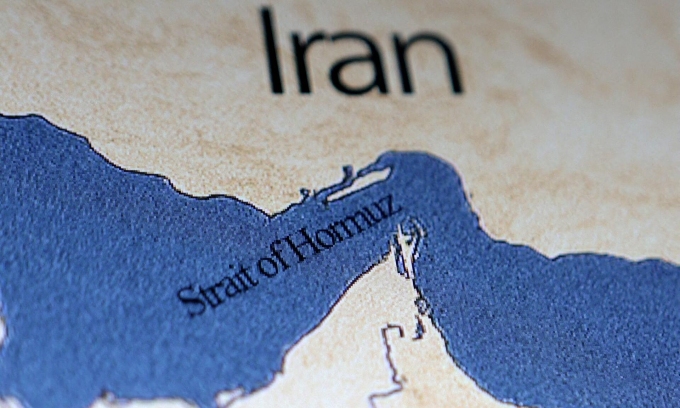
Vietnam's plea is no isolated cry. It reflects a pattern where emerging nations, increasingly integrated into global trade, are collateral in great-power games. The strait, a 21-mile-wide artery between Iran and Oman, handles 21 million barrels of oil daily—equivalent to one-fifth of global consumption. Disruptions, even partial, echo the 2019 tanker attacks that spiked Brent crude by 10%. Trump's repeated warnings—detailed in Jerusalem Post and Straits Times—threaten strikes on oil wells and power plants, while Iran asserts it's "calling the shots," per France24. Rubio's comments on leadership fractures in Tehran, via Agenzia Nova, suggest internal debates, but public rhetoric remains defiant. India's Sensex crash of over 1,600 points (Times of India) ties into broader risk-off sentiment, indirectly linked to Hormuz fears.
This narrative connects to cyclical Hormuz standoffs: the 1980s Tanker War saw 500+ attacks; 2011-12 threats under Ahmadinejad jacked oil to $120/barrel. Today's escalation mirrors these, but with emerging markets louder—Vietnam's manufacturing boom relies on imported Middle East oil for refineries like Dung Quat, processing 6.5 million tons annually. Related coverage includes Strait of Hormuz Standoff: The Overlooked Plight of International Seafarers in US-Iran Escalations.
The Players
United States (President Donald Trump, US Military): Trump's motivations are clear: deter Iranian aggression post his 2025 reelection, protect allies like Israel and Saudi Arabia, and signal resolve amid domestic pressures. Confirmed threats target economic lifelines, positioning the US as guarantor of free navigation under UNCLOS Article 87. See also Israel's Arms Procurement Frenzy: Fueling Geopolitical Tensions in the Shadow of Trump's Iran Ultimatum.
Iran (Leadership, IRGC Navy): Tehran's stance blends defiance and pragmatism—vowing retaliation against "US threats" (El Imparcial) while conceding to Spain. Motivations: Leverage Hormuz as asymmetric weapon amid sanctions, bolster domestic support via nationalism. Internal fractures noted by Rubio hint at pragmatists vs. hardliners.
Vietnam (Foreign Ministry): As an emerging powerhouse with 8% GDP growth, Vietnam's plea stems from vulnerability—90% of its oil imports transit Hormuz. Motivations: Safeguard $400B export machine (electronics, textiles) reliant on energy stability. This marks Hanoi's shift from neutral to vocal player, echoing ASEAN's energy diplomacy.
Other Emerging Nations (India, Spain): Spain's concession highlights EU divides; India's markets tumbled amid exposure (14% oil via Hormuz). Motivations: Economic self-preservation, pushing multilateralism over confrontation.
Broader Actors: Houthis (Bab al-Mandeb links), Saudi Arabia (alternative supplies), China (Vietnam's partner, strait-dependent). Explore China's Sanction Onslaught: Undermining East Asian Alliances in the Shadow of Rising Tensions.
The Stakes
Politically, escalation risks proxy wars—US strikes could draw in Hezbollah, fracturing Biden-era JCPOA remnants. Economically, emerging markets bear brunt: Vietnam faces 20-30% import cost hikes, inflating manufacturing (e.g., Samsung plants). Confirmed: Global trade routes disrupted, with Maersk rerouting ships. Humanitarian: Fishermen and coastal communities endangered; refugee flows if strikes hit infrastructure. Check our Global Risk Index for real-time assessments of these geopolitical risks.
For Vietnam et al., stakes are existential—energy insecurity threatens SDGs, widening North-South divide. Policy implication: Hormuz exposes multipolar frailties, where G7 coalitions sideline Global South, fostering resentment akin to 1973 OPEC embargo.
Catalyst AI Market Prediction
The World Now's Catalyst AI engine forecasts sharp volatility from Hormuz risks, prioritizing oil supply disruptions:
- OIL: + (high confidence) — Houthi strikes, Bab al-Mandeb threats, Hormuz closure, and Iran tensions elevate supply risk premium. Historical: July 2019 Saudi attacks +15% in one day. Key risk: Diplomatic de-escalation.
- USD: + (medium confidence) — Safe-haven flows amid US-Iran risks. Historical: 2019 Soleimani strike DXY +1% intraday.
- EUR: - (medium/low confidence) — USD strength pressures EURUSD. Historical: Jan 2020 -1% / -0.8%.
- JPY: - (medium confidence) — Safe-haven strengthens JPY (USDJPY down). Historical: 2019 tensions -1%.
- SPX: - (medium confidence) — Risk-off de-risking. Historical: 1973 Yom Kippur -20%; BLM protests -5%.
- BTC: - (medium confidence) — Liquidation cascades, $414M outflows. Historical: 2021 regs -50%; Ukraine -10%.
- ETH: - (medium confidence) — Correlated risk-off.
- SOL: - (low/medium confidence) — High-beta altcoin plunge.
- TSM: - (low confidence) — Geopol supply fears hit semis.
Predictions powered by The World Now Catalyst Engine. Track real-time AI predictions for 28+ assets. Visit Catalyst AI — Market Predictions for more.
Looking Ahead
Short-term (1-3 months): If Iran's blockade persists, expect US targeted strikes (e.g., Bandar Abbas facilities) by mid-April, spiking oil to $100+/barrel—confirmed Marine deployments signal readiness. Vietnam-like pleas could multiply, with ASEAN summits (April 2026) pushing Iran for exemptions.
Medium-term (6-12 months): Persistent tensions yield informal emerging-market alliances—India-Vietnam pacts for Russian oil via Arctic routes or LNG pivots. Parallels: Post-2019, Asia boosted SPRs 20%. US-Iran talks via Oman possible by Q3, but Trump's rhetoric suggests brinkmanship.
Long-term: Crisis accelerates diversification—Cape of Good Hope traffic up 15% (as in Red Sea woes), Vietnam eyeing Australian LNG. Policy shift: Emerging nations demand Hormuz "neutral zone" at UN, mirroring Law of Sea reforms. Worst-case: Full closure triggers recession (oil +50%), best: De-escalation via China mediation stabilizes prices.
Key dates: April 5 (UNSC debate, unconfirmed); Trump-Iran hotline rumors (week of March 31). Emerging markets' vocalism signals geopolitics' democratization—vulnerability breeds agency.
This is a developing story and will be updated as more information becomes available.