
Storm Goretti Slams UK, Fatality Reported as Winds Reach Record 99 mph in Isles of Scilly
London, January 10, 2026 – Storm Goretti tore through northern Europe starting Friday afternoon, unleashing severe weather across the United Kingdom that resulted in at least one fatality, widespread power outages, flight cancellations, and major rail disruptions. Record wind gusts of 99 mph battered the Isles of Scilly, off the coast of Cornwall, highlighting the storm's ferocious intensity.
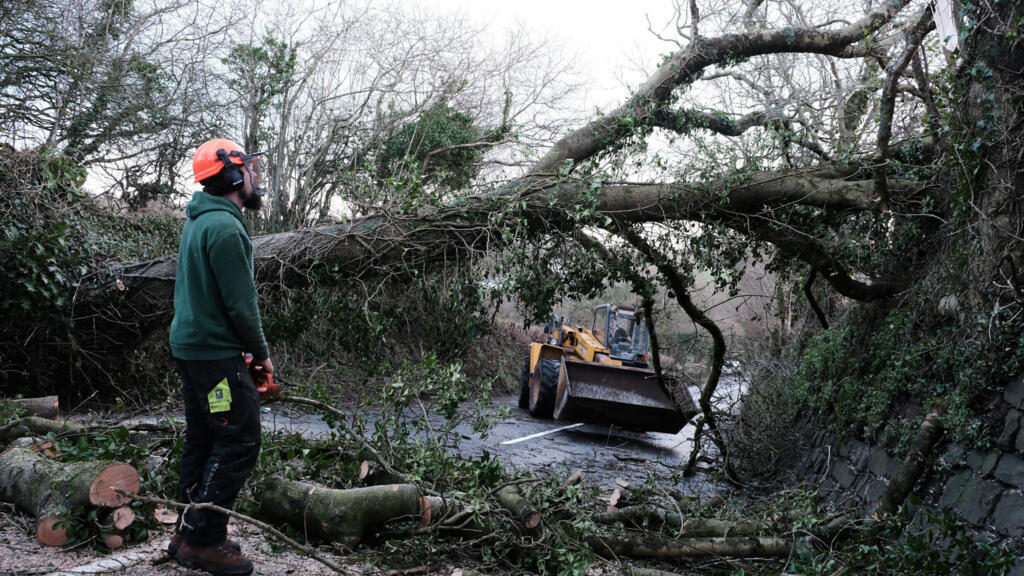
The storm made landfall in the region on January 9 at approximately 3:33 p.m. GMT, rapidly escalating into a high-severity event. In the UK, the most tragic incident occurred when a man was killed after a tree crashed onto a caravan amid the gale-force winds. This marked the storm's first confirmed death in the country, underscoring the dangers posed by falling debris during such extreme conditions.
France24 reported that Storm Goretti "barrelled through northern Europe on Friday," with the UK fatality occurring shortly after its onset. The storm's wrath extended beyond Britain, leaving around 100,000 French homes without power by Saturday morning. Across northern Europe, the system disrupted air travel and rail networks, stranding thousands of passengers and halting services on key routes.
In the UK, the Isles of Scilly recorded the storm's peak winds at 99 mph, shattering local records and prompting emergency responses from the Met Office and local authorities. Power outages affected multiple regions, particularly in exposed coastal and western areas prone to Atlantic lows. Airlines including British Airways and easyJet cancelled dozens of flights from major hubs like Heathrow, Gatwick, and Manchester, citing unsafe wind conditions. Rail operators such as Network Rail issued speed restrictions and closures on lines in southern England, Scotland, and Wales, exacerbating travel chaos during the post-holiday period.
Emergency services were mobilized nationwide, with the UK government issuing amber and yellow weather warnings for wind and rain. The Isles of Scilly, a remote archipelago, faced the brunt of the storm's fury, where gusts endangered maritime traffic and infrastructure. Similar disruptions rippled through Ireland and parts of Scandinavia, as the low-pressure system tracked eastward.
Background on Storm Naming and Recent UK Weather Patterns
Storm Goretti is the latest in a series of intense Atlantic storms to impact the UK during the 2025-2026 winter season. The UK's Met Office, in collaboration with European weather agencies, names storms to raise public awareness and streamline communication during severe events. Goretti follows a naming convention drawn from public submissions and historical figures, reflecting the ongoing influence of the jet stream and warming Atlantic waters, which have fueled stronger extratropical cyclones in recent years.
The UK has endured an unusually active stormy winter, with predecessors like Storms Darragh and Eloise causing flooding and disruptions earlier in the season. Climate data from the Met Office indicates that windstorms have become more frequent and intense, linked to shifts in the North Atlantic Oscillation. The Isles of Scilly, geographically exposed to prevailing westerlies, frequently bear the initial brunt of such systems, as seen with record gusts during previous events like Storm Eunice in 2022, which hit 122 mph nearby.
This storm's rapid intensification aligns with patterns observed in recent years, where post-Christmas periods often see peak activity due to clashing air masses. Historical context shows that northern Europe experiences an average of 5-10 named storms annually, with economic costs running into billions from infrastructure damage and lost productivity.
Impacts and Response
Beyond the human toll, Storm Goretti inflicted significant infrastructural strain. Power companies like National Grid reported outages affecting tens of thousands in the UK, with restoration efforts hampered by ongoing gusts. Ferry services to the Isles of Scilly and other islands were suspended, isolating communities and complicating supply chains.
Authorities urged residents to avoid travel and secure outdoor items, while coastal flood warnings were issued for exposed shorelines. In France, Enedis utility crews worked around the clock to reconnect 100,000 households, many in Brittany and Normandy, where the storm made a secondary landfall.
As of Saturday afternoon, the storm's core had weakened slightly but continued to spawn heavy rain and squalls, with forecasts predicting a slow drift toward the North Sea. The Met Office extended warnings into Sunday, advising vigilance for potential secondary impacts like coastal erosion and localized flooding.
Meteorologists note that while Storm Goretti's track is typical for mid-January systems, its early-season ferocity serves as a harbinger for what could be a turbulent remainder of winter. Recovery efforts are underway, but the event highlights the UK's vulnerability to Atlantic weather extremes, prompting discussions on resilience investments ahead of future storms.
(Word count: 612)