
Storm Goretti Lashes Italy with Severe Winter Weather, Disrupting Air Travel and Sparking Airport Protests
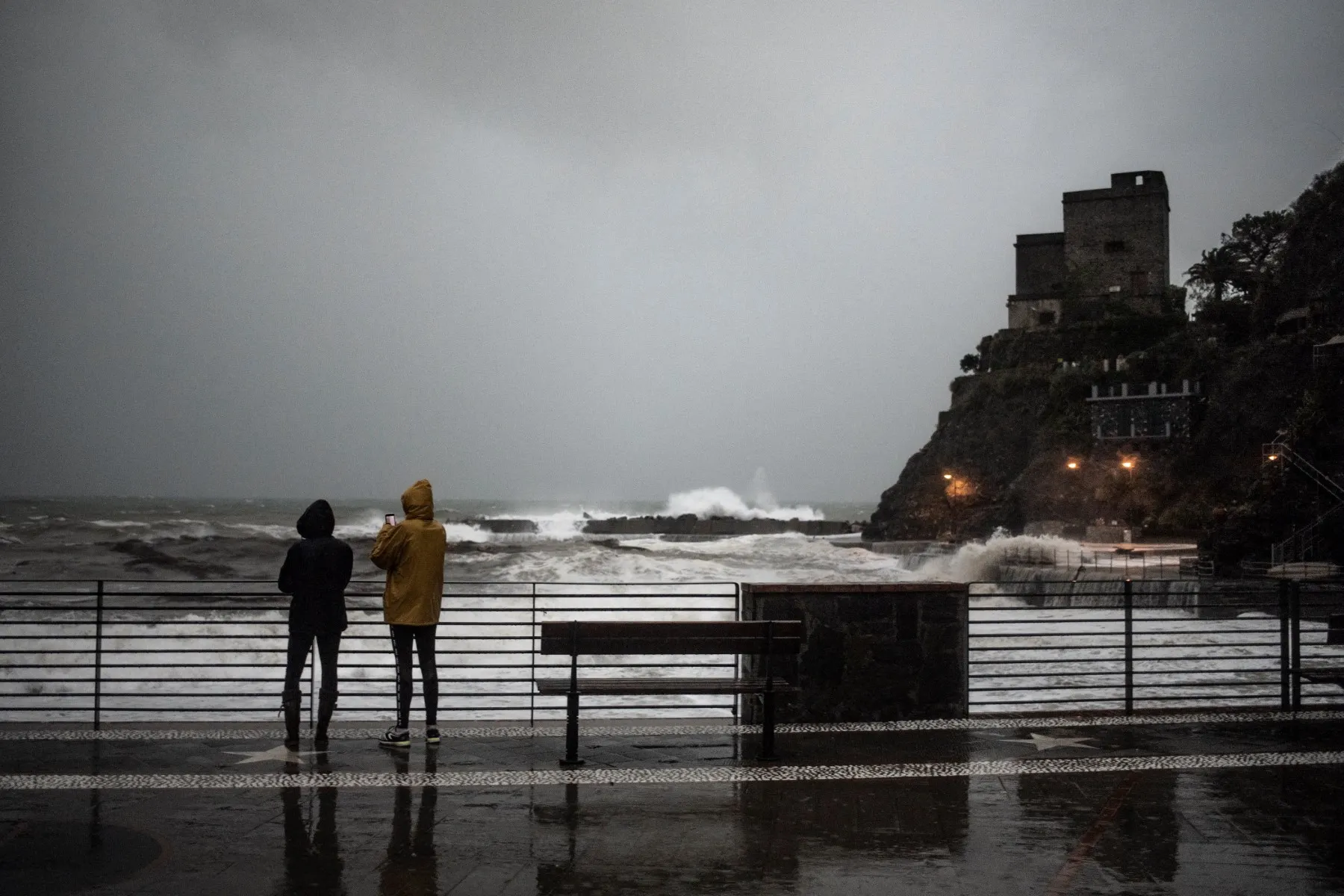
Rome, Italy – Severe winter weather sweeping across Europe reached Italy on January 7, 2026, causing hundreds of flight delays and cancellations at major airports and prompting passenger protests over diverted flights. Dubbed Storm Goretti by meteorological authorities, the storm has issued widespread weather warnings, exacerbating travel chaos amid ongoing airline and transport strikes.
The disruptions began Wednesday afternoon, around 4:17 p.m. GMT, as heavy snow, strong winds, and low visibility battered northern and central Italy. Airports including Rome's Fiumicino, Milan's Malpensa, and Venice's Marco Polo reported the brunt of the impact, with airlines such as ITA Airways and Ryanair announcing mass cancellations. According to reports, over 300 flights were affected on the first day alone, stranding thousands of passengers. Frustrated travelers gathered at terminals, staging protests against airlines for poor communication and demands for refunds and accommodations on diverted flights.
Italy's Civil Protection Department issued red-level alerts for several regions, warning of potential flooding, landslides, and gale-force winds up to 100 km/h (62 mph). Storm Goretti, named after a Mediterranean depression intensifying over the Adriatic Sea, marks an unusually intense early-year weather event for the peninsula. The storm's medium severity rating underscores risks to infrastructure and public safety, though no fatalities have been reported as of Friday, January 9.
Compounding the weather woes, Italy is grappling with nationwide airline and transport strikes that kicked off on Friday. Public transport workers, including those at Trenitalia and airport ground staff, walked off the job, leading to further cancellations of trains, buses, and airport services. The Local Italy's daily roundup highlighted how these industrial actions overlap with the storm, creating a "perfect storm" for travelers. "Passengers are facing unprecedented disruptions," the report noted, quoting union representatives who cited inflation and working conditions as strike triggers.
Weather Patterns and Regional Impacts
Storm Goretti formed as a classic winter low-pressure system, drawing cold air from the Balkans and clashing with warmer Mediterranean currents. This setup produced heavy precipitation, with northern Lombardy and Veneto regions seeing up to 30 cm (12 inches) of snow in 24 hours. In the south, Sicily and Calabria faced torrential rains, raising flood risks in urban areas like Naples and Palermo.
Historical context reveals Italy's vulnerability to such events. The country averages 5-10 named storms annually in the Mediterranean, per the Italian Meteorological Service (Servizio Meteorologico dell'Aeronautica Militare). Past incidents, like the 2018 Storm Vaia that felled millions of trees in the Alps or the 2021 floods in Veneto, have prompted investments in early warning systems. However, aging infrastructure at airports and roads remains a weak point. The European Union funded €500 million in resilience projects post-2020, but critics argue implementation lags.
In response, authorities mobilized the army for snow clearance in the Alps and activated emergency shelters. Prime Minister Giorgia Meloni's office urged citizens to heed warnings, stating in a Friday briefing: "Safety first—avoid non-essential travel." Flight tracking data from Flightradar24 corroborated the scale, showing a 40% drop in Italian airspace operations since Wednesday.
Broader European Context and Travel Fallout
The storm is part of a larger European weather pattern, with similar disruptions in France, Germany, and the UK. Eurocontrol reported over 10,000 delayed flights continent-wide, attributing 60% to weather. For Italy, a key tourism hub even in winter, the timing is critical ahead of the ski season peak. Hotels in the Dolomites reported 20% cancellations, per industry sources.
Passenger rights groups like Europe's BEUC have called for stricter enforcement of EU Regulation 261/2004, which mandates compensation for weather-related disruptions if airlines fail to rebook promptly. Protests at Fiumicino escalated Thursday, with chants of "We want answers!" echoing through terminals, as captured in social media videos.
Looking Ahead
Forecasts from the European Centre for Medium-Range Weather Forecasts indicate Storm Goretti weakening by Sunday, January 11, but residual snow and ice could linger into next week. Strikes are scheduled to continue intermittently through mid-January, per union announcements. Italian transport minister Matteo Salvini announced plans for a crisis task force to coordinate recoveries.
Travelers are advised to check ENAC (Italy's Civil Aviation Authority) updates and allow extra time. While disruptions appear contained, the episode highlights the interplay of climate variability and labor tensions in straining Italy's vital transport network. As the nation recovers, questions persist on bolstering resilience against intensifying winter extremes, a trend linked by scientists to shifting atmospheric patterns.
(Word count: 612)