
Storm Goretti Batters UK with Record Winds, Claims First Fatality in England
London, January 10, 2026 – Storm Goretti, a powerful extratropical cyclone that struck northern Europe on Friday, has inflicted severe damage across the United Kingdom, including record wind gusts of 99 mph in the Isles of Scilly and the tragic death of a man in England when a tree crashed onto his caravan amid the gales.
The storm, which began impacting the region at approximately 3:33 p.m. GMT on January 9, has unleashed widespread disruptions, including power outages, flight cancellations, and rail service interruptions throughout northern Europe, with the UK bearing a significant brunt of the fury. In England, the casualty marked the first confirmed death linked to the storm, highlighting the dangers posed by its extreme weather conditions.
According to reports, the unnamed man was killed on Saturday when high winds caused a tree to fall on a caravan in southern England. Emergency services responded swiftly, but the victim could not be saved. This incident underscores the lethal potential of Storm Goretti's record-breaking winds, which peaked at 99 mph in the Isles of Scilly, a remote archipelago off the Cornish coast. These gusts shattered previous local records and were part of a broader assault that saw sustained high winds buffet coastal and inland areas alike.
Widespread Disruptions Across the UK and Beyond
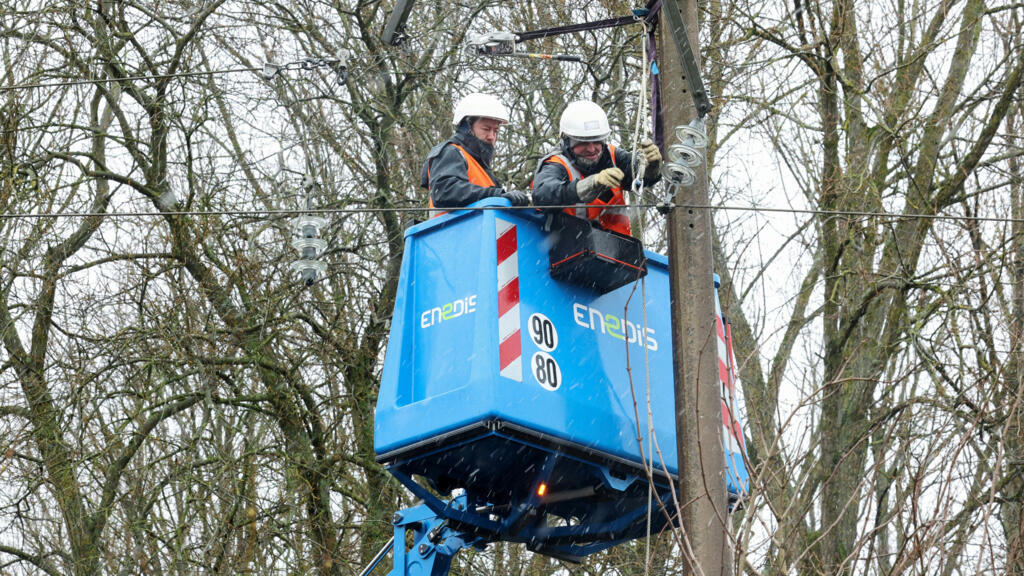
Transportation networks in the UK ground to a halt in many areas. Rail operators reported multiple line closures due to fallen trees, debris, and structural damage, stranding thousands of passengers. Major airports, including those in the southwest and northern England, canceled hundreds of flights as crosswinds exceeded safe operational limits. Power companies logged thousands of outages, particularly in exposed western and southern regions, leaving households without electricity into Saturday.
The storm's reach extended beyond the UK, affecting neighboring countries in northern Europe. In France, approximately 100,000 homes remained without power as of Saturday morning, a lingering effect of the tempest that swept through overnight. Similar reports emerged from parts of the Netherlands, Germany, and Scandinavia, where flooding risks and coastal erosion added to the chaos.
UK meteorological authorities, including the Met Office, issued severe weather warnings starting early Friday, urging residents to secure outdoor items, avoid travel, and prepare for potential flooding. "Storm Goretti is a high-impact event with gusts capable of causing significant structural damage," a Met Office spokesperson stated in pre-storm advisories, emphasizing the system's rapid intensification over the Atlantic.
Background on Storm Naming and UK Vulnerability
Storm Goretti is the latest in a series of named storms tracked by the Met Office and Irish Met Éireann under their joint naming convention, which began in 2015 to raise public awareness. Storms are named alphabetically each season (September to August), drawing from lists that include public suggestions. Previous high-severity events, such as Storm Eunice in 2022—which recorded gusts up to 122 mph on the Isles of Scilly—and Storm Arwen in 2021, have similarly caused fatalities, power losses affecting over a million homes, and infrastructure damage costing hundreds of millions of pounds.
The UK's geography makes it particularly susceptible to such Atlantic-driven storms. The Isles of Scilly, just 28 miles off Land's End, often serve as the first UK landfall point for these systems, funneling fierce winds through narrow channels. Climate analyses from the Met Office indicate an increase in storm intensity linked to warmer sea surface temperatures, though individual events remain unpredictable.
Government response has been proactive. The Environment Agency activated flood defenses in at-risk areas, while local councils distributed sandbags. Prime Minister Keir Starmer's office expressed condolences to the victim's family and commended emergency responders, pledging support for recovery efforts.
Ongoing Impacts and Recovery Outlook
As of Saturday midday, Storm Goretti was tracking eastward, weakening but still generating disruptive winds over the North Sea. Forecasters predict a gradual abatement by Sunday, allowing cleanup operations to commence. Utility firms aim to restore power to most affected UK homes within 24-48 hours, though rural and coastal spots may take longer.
Rail engineers are working around the clock to clear lines, with full services not expected until midweek in some regions. Aviation authorities anticipate a return to normal schedules by Sunday afternoon, barring any unforeseen damage assessments.
The human toll remains a stark reminder of the storm's severity. While no further UK fatalities have been reported, injuries from flying debris and falls have been noted in initial emergency tallies. Across northern Europe, the combined economic impact—factoring in lost productivity, repairs, and insurance claims—could reach into the billions of euros.
Meteorologists warn that the 2025-2026 storm season may see above-average activity, urging sustained preparedness. For now, communities in the UK are assessing the damage from Storm Goretti, a tempest that arrived with ferocious speed and left an indelible mark.
(Word count: 712)