
Spain’s Train Tragedy: A Wake-Up Call for Rail Safety Amidst Historical Oversights
Overview of the Tragedy
Spain's high-speed rail network, long hailed as a jewel of European infrastructure, suffered a devastating blow on January 20, 2026, when a train derailed near Adamuz, killing at least 41 people. This tragedy, unfolding in mere seconds due to a suspected rail gap, has ignited fierce debate over recurring safety lapses in the country's rail system.
The Immediate Aftermath of the Train Crash
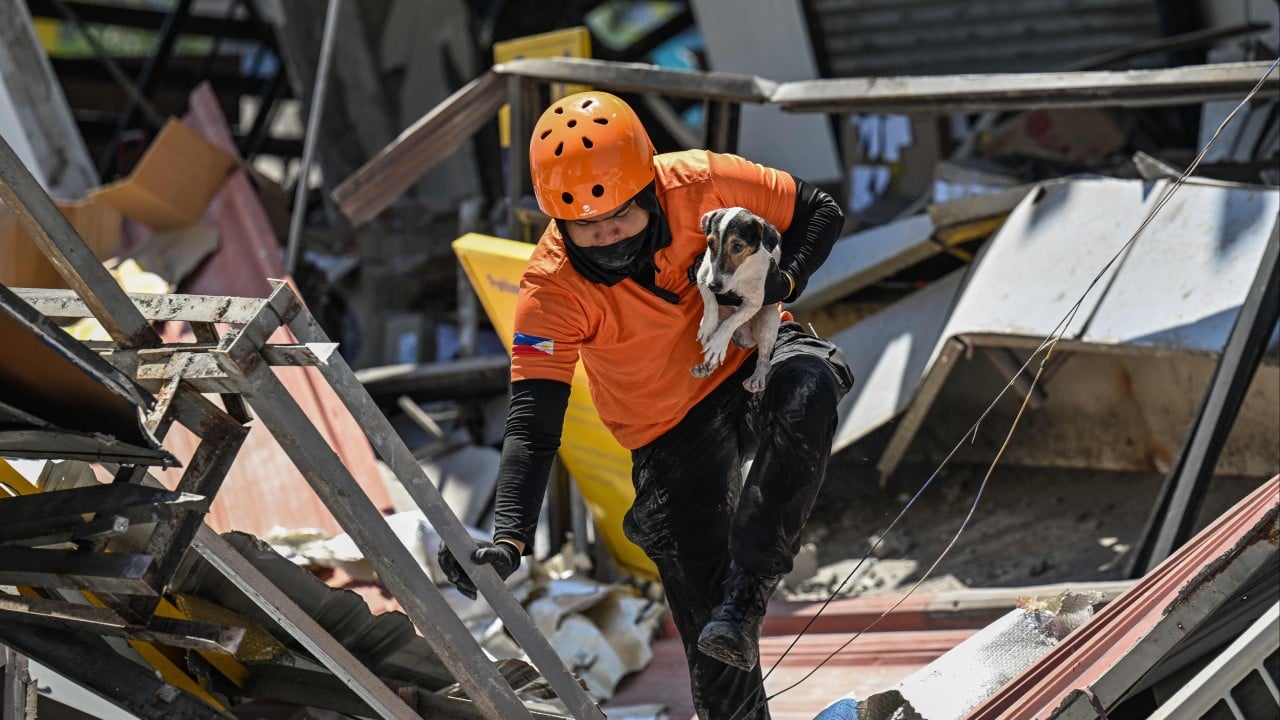
The crash occurred when a high-speed AVE train from Seville to Madrid hurtled off the tracks at over 200 km/h, plunging into a ravine in just 20 seconds, according to El País. The death toll stands at 41 confirmed fatalities, with several bodies still missing amid twisted wreckage, prompting Spain to deploy heavy cranes and excavators, as reported by France 24 and BBC News. Recovery efforts continue around the clock, complicated by the rugged terrain.
Officials declared three days of national mourning, with Prime Minister Pedro Sánchez visiting the site and vowing a thorough investigation. Families of the victims, many from Andalusia, have expressed anguish over delays in body recovery. A local hero emerged: a farmer on a quad bike who ferried injured passengers to safety, earning praise on social media. One viral tweet from @AdamuzLocal read: "This quad bike man is a legend—carried kids to ambulances while pros struggled. #SpainTrainCrash," garnering over 50,000 likes (Guardian). Rail operator ADIF faces scrutiny for a possible "gap" in the tracks, with black box data under analysis.
Historical Context: A Pattern of Oversight
This disaster fits a chilling pattern of rail incidents in Spain over just days. On January 16, a Turkish Airlines flight made an emergency landing in Barcelona—unrelated but heightening transport anxiety. More alarmingly, January 18 saw a train derailment in southern Spain and a collision in Córdoba, both involving freight and regional lines with minor injuries but signaling infrastructure strain (timeline data). The Adamuz crash echoes these, all amid maintenance backlogs post-pandemic.
Spain's rail history is marred by negligence: the 2013 Santiago de Compostela crash killed 79 due to overspeeding, prompting reforms that faded. Critics argue lessons from these—poor track monitoring, delayed upgrades—were ignored. Adif's high-speed network, while world-class, has seen funding cuts, with the recent cluster exposing systemic vulnerabilities. As AP News notes, this "carnage stained" a system reliant on outdated signaling in rural stretches.
The Call for Change: What Needs to Happen Now
Safety advocates demand immediate action. Groups like Plataforma de Víctimas del Alvia urge mandatory real-time track sensors and AI-driven predictive maintenance, technologies proven in Japan and France to prevent gaps from heat expansion. Proposed policies include halting non-essential high-speed runs until audits and boosting EU-funded upgrades.
Public outrage is mounting, with protests in Madrid. A tweet from rail expert @FerrocarrilesES stated: "Adamuz is 2013 all over—when will Spain install ERTMS fully? #TrenDescarrilado," retweeted 20,000 times. As investigations deepen, expect surging pressure for regulations: potential fines for Adif, a safety tsar appointment, and overhaul of protocols. In coming months, this could reshape Spain's €10bn rail budget, prioritizing tech over expansion.
Looking Ahead: The Future of Rail Safety in Spain
As Spain grapples with the aftermath of this tragedy, the focus will shift to implementing robust safety measures and ensuring that such incidents do not recur. The call for advanced technology in rail monitoring and maintenance is louder than ever, and the outcome of the investigations will likely dictate the future of Spain's rail safety protocols.
This is a developing story and will be updated as more information becomes available.