
Spain's Deadly Train Crash: A Turning Point for Rail Safety and Infrastructure Reform
Overview of the Tragedy
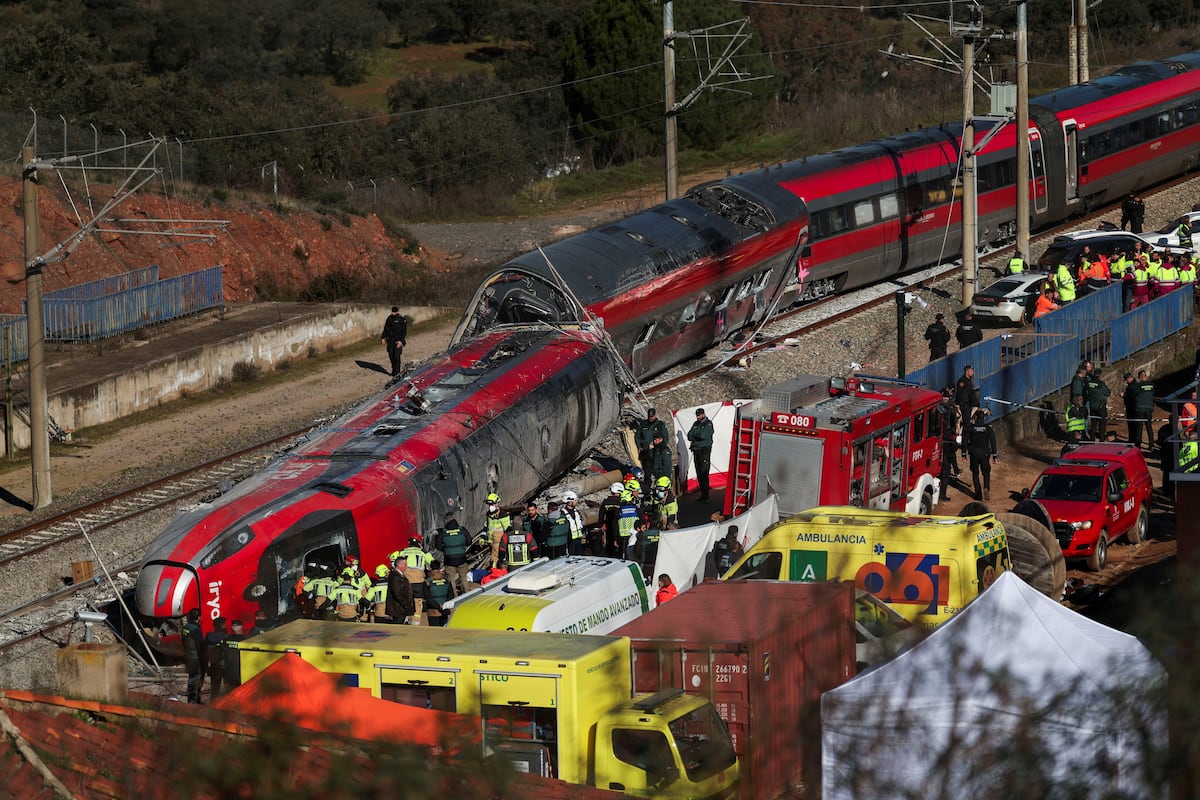
A high-speed train traveling from Madrid to Seville derailed near Adamuz in southern Spain on January 20, 2026, resulting in at least 41 fatalities and numerous injuries. This catastrophic event unfolded in a mere 20 seconds, with the death toll expected to rise as recovery efforts continue. Emergency responders, including firefighters and medical teams, acted swiftly to treat survivors amidst the wreckage of twisted metal and flames. Civilians also played a heroic role; a local man on a quad bike ferried injured passengers to safety, earning him the title of "quad bike hero." In response to this tragedy, local authorities have declared three days of national mourning starting January 20, while investigators are examining a potential "gap" in the rail infrastructure as a contributing factor.
Historical Context of Rail Safety in Spain
Spain is renowned for its advanced high-speed rail network, boasting over 3,900 km of track. However, this recent crash highlights ongoing vulnerabilities within the system, fitting into a disturbing pattern of incidents. Just two days prior, on January 18, another train derailment occurred in southern Spain, alongside a collision in Cordoba on the same day. These incidents follow a chaotic start to 2026 for Spanish transport, including a Turkish Airlines emergency landing in Barcelona on January 16. Previous accidents, such as the 2013 Santiago de Compostela derailment that claimed 79 lives, underscored issues related to speed and signaling failures. This timeline reveals chronic underinvestment in maintenance amid rapid expansion, challenging the narrative of a "world-class" system and amplifying calls for systemic overhaul.
Public Sentiment and Calls for Change
The public's grief has transformed into outrage, with vigils in Adamuz and Madrid attracting thousands. Social media has erupted with demands for accountability. Twitter user @RailWatchES posted, "41 dead in Adamuz—enough! Spain's AVE [high-speed] dream is a nightmare without safety upgrades #TrainCrashSpain," which garnered 15K retweets. Activist @SeguridadFerroviaria tweeted, "From 2013 to 2026: same failures. Time for independent audits! #ReformaFerroviaria." Government officials are echoing these sentiments; Transport Minister Óscar Puente has promised a "full investigation" and hinted at "immediate safety reviews," while Prime Minister Pedro Sánchez stated, "This tragedy demands profound changes to prevent recurrence." These reactions signal increasing pressure for legislative action, shifting focus from mourning to reform.
Looking Ahead: The Future of Rail Safety in Spain
This tragic incident could serve as a pivotal moment, catalyzing the implementation of stringent safety protocols and infrastructure investments that have long been overdue. Expect parliamentary probes to propose mandatory AI-driven signaling upgrades, real-time track monitoring, and an estimated €2-3 billion in funding to address rail gaps—echoing post-2013 reforms but with a more aggressive approach. Internationally, Spain's challenges may prompt the EU to tighten EN 50126 standards, impacting operators like France's SNCF. Domestically, opposition parties may advocate for increased operator liability, potentially delaying expansions but ultimately saving lives. If these issues remain unaddressed, public distrust could erode ridership; however, proactive reform could position Spain as a leader in rail safety across Europe.
This is a developing story. Confirmed: 41 deaths; the cause of the derailment is under investigation. Updates will follow.