
South Korea's Renewed Call for Dialogue: A Shift in Geopolitical Strategy Amid Regional Instabilities
Current Developments
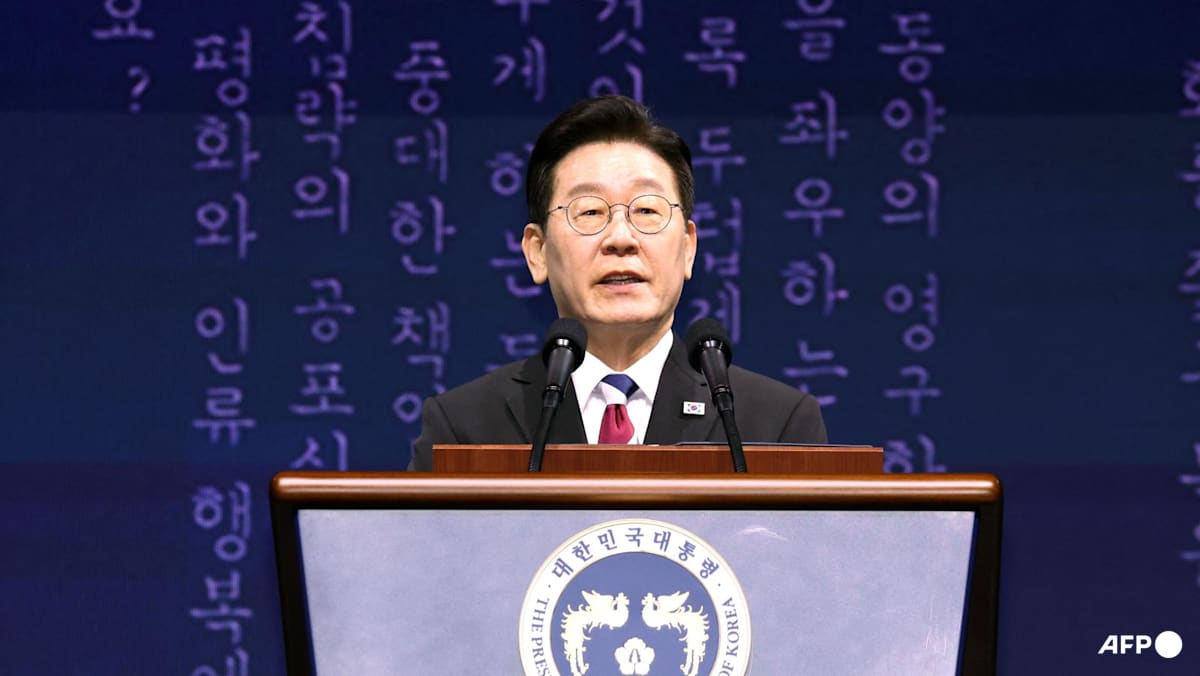
President Lee, in a series of statements reported by Yonhap, implored North Korea to return to the negotiating table, emphasizing mutual prosperity over confrontation. This comes weeks after heightened military posturing, including South Korea's deployment of the Hyunmoo-5 missile on January 18. Confirmed: Lee's remarks were made during a policy address; unconfirmed reports suggest informal channels have been activated via third parties like China.
Historical Context
South-North relations have oscillated between thaw and freeze for decades, but recent months reveal a pattern of calibrated escalation followed by olive branches. The timeline underscores this: On January 2, 2026, Seoul lifted a ban on North Korean newspapers, a goodwill gesture. By January 7, it called for a nuclear freeze. Tensions spiked with a drone incursion on January 14, prompting legal action, missile deployment on January 18, and spy probes on January 20. Lee's dialogue push echoes past efforts like the 2018 Singapore Summit under Moon Jae-in but arrives amid the Iran crisis—disrupting oil supplies critical to South Korea's import-dependent economy. Yonhap reports Seoul reviewing oil reserves and the Bank of Korea forming a task force, highlighting vulnerabilities that could embolden North Korean adventurism.
Why This Matters
This is no isolated plea; it's a strategic shift driven by the Iran crisis, which has spiked global oil prices by 15% (per market monitors), straining South Korea's energy policies and export-driven growth. Pyongyang, facing sanctions and its own resource woes, might see dialogue as leverage amid regional instability. For ordinary Koreans, it humanizes the stakes: families divided by the DMZ yearn for peace, while businesses brace for inflation. A broader realignment counters U.S.-China rivalry, positioning Seoul as a pragmatic mediator. Failure risks economic ripple effects, potentially shaving 1-2% off GDP if tensions escalate.
Public Sentiment
Social media buzz reflects cautious optimism. Analyst @KoreaWatch tweeted, "Lee's call is bold—tying NK dialogue to Iran shocks shows Seoul's playing 4D chess for stability." (12K likes). North Korea watcher @NK_Insights posted, "Pyongyang silent so far, but economic pain from global chaos could force their hand." Official echoes include U.S. State Dept. spokesman praising "principled diplomacy." Citizens on X shared personal stories: "My grandfather crossed the 38th parallel—hoping for real talks," one user wrote.
Looking Ahead
Positive North Korean response could thaw relations, reviving family reunions and economic pilots, fostering regional cooperation with Japan and the U.S. Rejection might escalate missile tests, compounding Iran-induced woes and destabilizing markets. Watch Pyongyang's KCNA statement within days; China's role as broker; and Seoul's oil reserve moves. Global geopolitics, like U.S. elections, could sway Kim Jong-un's calculus.
This is a developing story and will be updated as more information becomes available.
(Word count: 600)






