
South Korea Bolsters Philippine Navy with Combat Systems Deal Amid South China Sea Coastguard Dynamics
MANILA — South Korea has secured a significant contract to supply advanced combat management systems for the Philippine Navy's forthcoming warships, marking a deepening of defense ties between the two nations as regional tensions simmer in the South China Sea. The agreement, announced on January 2, 2026, underscores Manila's ongoing military modernization efforts in response to territorial disputes.
The deal enhances South Korea's position as a primary arms supplier to the Philippines, providing cutting-edge technology to integrate sensors, weapons, and command systems on new naval vessels. This development comes at a time when the Philippines is accelerating its naval capabilities to assert its sovereign rights in the disputed waters, particularly around flashpoints like the Second Thomas Shoal.
According to reports, the contract focuses on equipping the Philippine Navy's new warships with state-of-the-art combat management systems, enabling improved situational awareness, target tracking, and coordinated operations. While specific details on the warships—likely part of the ongoing frigate and offshore patrol vessel acquisition programs—remain classified, the systems are expected to significantly upgrade the fleet's interoperability and defensive posture. South Korea has emerged as a key partner in this domain, having previously supplied multi-role frigates like the Jose Rizal-class vessels, commissioned in recent years.
This arms procurement aligns with the Philippines' "Re-Horizon 3" modernization program, approved under former President Rodrigo Duterte and continued by President Ferdinand Marcos Jr. The initiative aims to address critical gaps in naval power projection, especially against China's growing maritime assertiveness. The Philippine Navy currently operates a limited blue-water fleet, relying heavily on aging U.S.-sourced vessels and coast guard assets for patrols.
Coastguards at the Forefront of South China Sea Stability
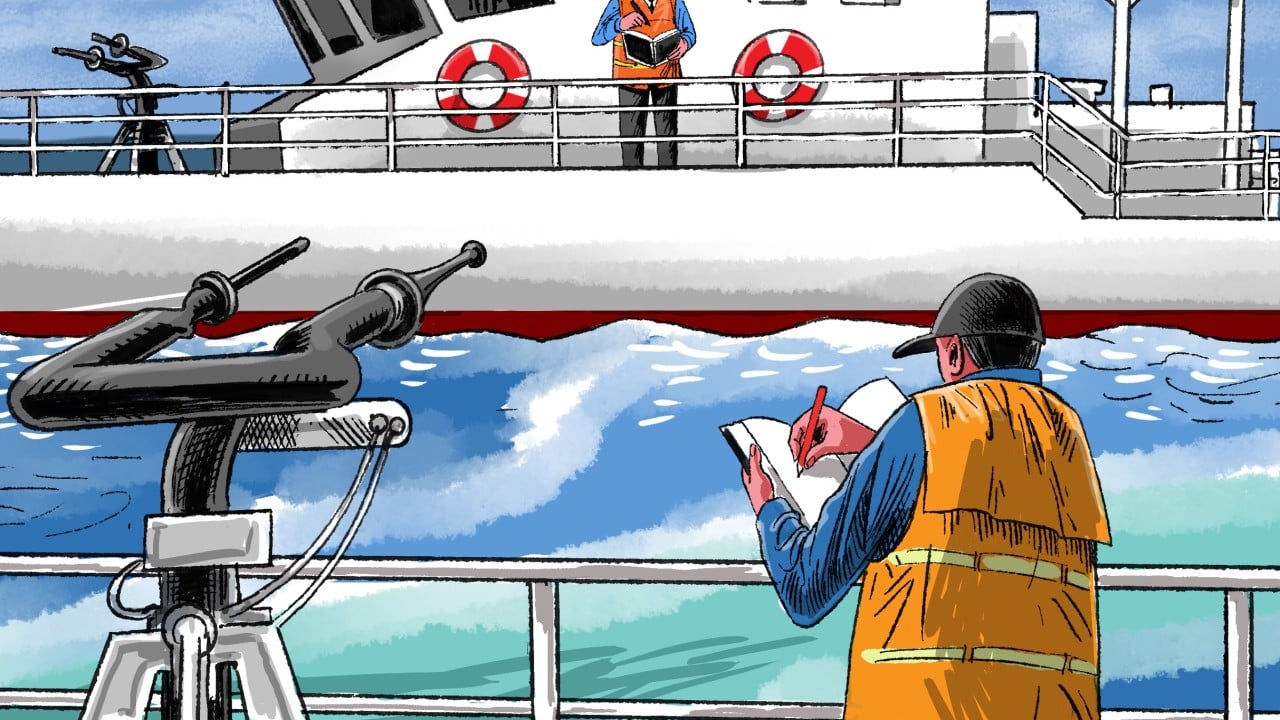
Recent encounters in the South China Sea highlight a nuanced reality where coast guard vessels, rather than warships, play a pivotal role in managing disputes. A South China Morning Post analysis published on January 7, 2026, argues that incidents between Chinese and Philippine ships near the Second Thomas Shoal—known locally as Ayungin Shoal—are often resolved through administrative channels without escalation to diplomatic crises or military deployments.
"When ships from China and the Philippines encounter each other near the Second Thomas Shoal, most incidents are resolved without diplomatic intervention," the article states. "No shots fired, no ministerial calls, no carrier deployments. Within days, encounters are logged, reviewed and absorbed into routine reporting channels."
This "administrative resolution" maintains a fragile stability, the piece contends, contrasting with broader debates dominated by naval deterrence and great power rivalry involving the U.S., China, and regional players. The Philippines' coast guard has been at the vanguard, using lighter, non-lethal assets like water cannons and boarding teams during standoffs, such as those in mid-2024 when Chinese vessels blocked Philippine resupply missions to the grounded BRP Sierra Madre at the shoal.
The shoal, within the Philippines' exclusive economic zone as affirmed by the 2016 Permanent Court of Arbitration ruling (which China rejects), remains a persistent irritant. Manila stations a small contingent of marines on the rusting World War II-era shipwreck as a symbolic outpost, resupplied periodically amid Chinese obstructions.
Broader Geopolitical Context
The South Korea-Philippines arms deal occurs against a backdrop of escalating U.S.-China competition. Washington has bolstered its Indo-Pacific alliances, conducting joint exercises like Balikatan with Manila and invoking the 1951 Mutual Defense Treaty during recent incidents. In 2023-2024, the Philippines expanded U.S. access to additional bases under the Enhanced Defense Cooperation Agreement (EDCA), prompting Beijing's warnings of heightened tensions.
South Korea's involvement reflects its strategic pivot toward Southeast Asia. Seoul has diversified its arms exports beyond traditional Middle Eastern markets, securing deals worth billions with nations like Indonesia and Poland. For the Philippines, South Korean systems offer a cost-effective alternative to pricier U.S. or European options, while maintaining compatibility with NATO-standard equipment.
Experts note that while coast guard engagements de-escalate daily frictions, naval enhancements like the new combat systems could deter more aggressive actions. The SCMP piece emphasizes that "debate over these waters still defaults to navies, deterrence and great power rivalry," suggesting warships indirectly shape coast guard norms by setting red lines.
Outlook for Regional Stability
As the Philippine Navy integrates these systems—expected to be operational within the next few years—Manila aims for a "minimum credible defense" posture. However, analysts caution that hardware alone cannot resolve sovereignty claims; sustained diplomacy, including ASEAN-led talks, remains essential.
The deal may prompt reactions from Beijing, which views Philippine militarization—backed by external partners—as provocative. Yet, the routine handling of coast guard incidents offers a model for restraint, potentially allowing naval upgrades without immediate confrontation.
With ongoing patrols and resupply missions planned, the Philippines balances assertiveness with stability. South Korea's role not only strengthens bilateral ties but also positions it as a stakeholder in South China Sea peace, as Manila navigates its maritime future.
(Word count: 712)






