
Snow and Ice Paralyze Travel in Northwest France Amid Broader European Cold Snap
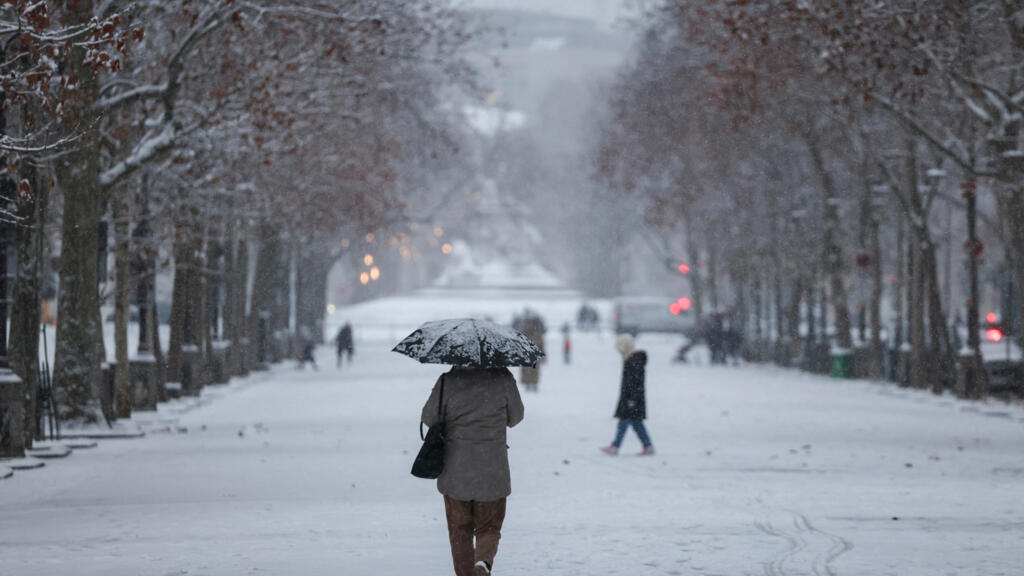
Paris, France – A sudden influx of snow and ice swept across northwest France on Monday, January 5, 2026, prompting Meteo France to issue alerts and triggering widespread travel disruptions, including road closures, flight cancellations, and train delays. The severe weather, part of a larger cold front affecting Western Europe, caught commuters and travelers off guard in regions including the Paris area.
Meteo France, the country's national weather service, elevated warnings for snow and ice across much of northwest France, encompassing the capital and surrounding departments. The alerts highlighted risks of slippery roads and accumulation that could lead to hazardous driving conditions and power outages in vulnerable areas. By late Monday, the impacts were felt acutely: major roads were shuttered due to black ice and snowdrifts, while airports and rail operators reported multiple cancellations to ensure passenger safety.
In Paris, one of Europe's busiest transport hubs, the disruptions rippled through daily life. Charles de Gaulle and Orly airports, handling millions of passengers monthly, saw dozens of flights grounded or diverted as runways became treacherous. High-speed TGV trains and regional services on lines like the Paris-Normandy route faced suspensions, stranding thousands. Road networks, including key autoroutes such as the A13 toward Normandy and the A1 to Lille, reported closures, exacerbating congestion on alternative routes. Emergency services urged motorists to avoid travel unless essential, recommending winter tires and caution against hypothermia risks in sub-zero temperatures.
The weather event extends beyond France's borders, underscoring a regional cold snap. In the United Kingdom, similar conditions led to motorway shutdowns and rail suspensions, with the Met Office issuing amber warnings for ice. The Netherlands faced comparable chaos, with Schiphol Airport canceling flights and highways like the A4 clogged by accidents. This synchronized disruption highlights the vulnerability of interconnected European transport systems to wintry blasts, which often originate from polar air masses spilling southward across the continent.
Background on Winter Weather in France
France's northwest, including the Île-de-France region around Paris, is no stranger to January cold snaps. The area lies at the crossroads of Atlantic maritime influences and continental polar flows, making it prone to sudden snow events despite its temperate climate. Meteo France's vigilance system—color-coded from yellow (minor) to red (extreme)—plays a critical role in mitigation. The snow-ice alert issued on January 5 falls into this framework, advising local authorities to prepare gritters, shelters, and emergency protocols.
Historically, such events have caused significant economic ripple effects. In 2010, a severe freeze paralyzed Paris for days, costing billions in lost productivity. More recently, the 2021 Storm Filomena analog in neighboring Spain demonstrated how unseasonal snow can overwhelm urban infrastructure designed primarily for rain. Climate data from Meteo France indicates that while overall temperatures have trended milder, extreme cold outbreaks remain possible due to jet stream meanders, as seen in this instance.
Authorities responded swiftly. French Transport Minister statements, echoed in weather bulletins, called for patience and compliance with advisories. Schools in affected areas remained open but with delayed starts, and municipalities deployed snowplows overnight. Power provider Enedis monitored grids for outages, a common side effect of ice-laden lines.
Outlook and Regional Impacts
As of Monday evening, Meteo France forecasted continued snow showers into Tuesday, with accumulations up to 5-10 cm in Paris suburbs and heavier in Brittany and Normandy. Clearing operations were underway, but forecasters warned of refreezing overnight, prolonging risks.
The event's medium severity rating aligns with its manageable yet disruptive nature, avoiding the widespread blackouts or flooding of higher-tier storms. Travelers were advised to check apps like SNCF Connect for trains and Flightradar24 for aviation updates. Across Europe, coordination via Eurocontrol helped reroute flights, minimizing long-term delays.
This cold snap serves as a reminder of winter's unpredictability in an era of variable weather patterns. While no fatalities were reported by press time, the focus remains on restoring normalcy amid ongoing vigilance.
(Word count: 612)