
Six Fatalities Reported Amid Severe Snow, Ice, and Freezing Conditions Across Europe
London/Paris — Severe weather conditions, including heavy snow, ice, and freezing temperatures, have claimed six lives across Europe since January 6, 2026, as Storm Goretti intensified its grip on the continent. Forecasters have issued widespread warnings from Britain to Germany, anticipating further battering from high winds, rain, and snow.
The extreme weather event, which began on Tuesday, January 6, at approximately 15:09 GMT, has disrupted travel, strained emergency services, and prompted alerts for hazardous conditions. According to monitoring data, the fatalities are linked directly to the perilous combination of snow accumulation, icy roads, and sub-zero temperatures, though specific locations and circumstances remain under investigation by local authorities.
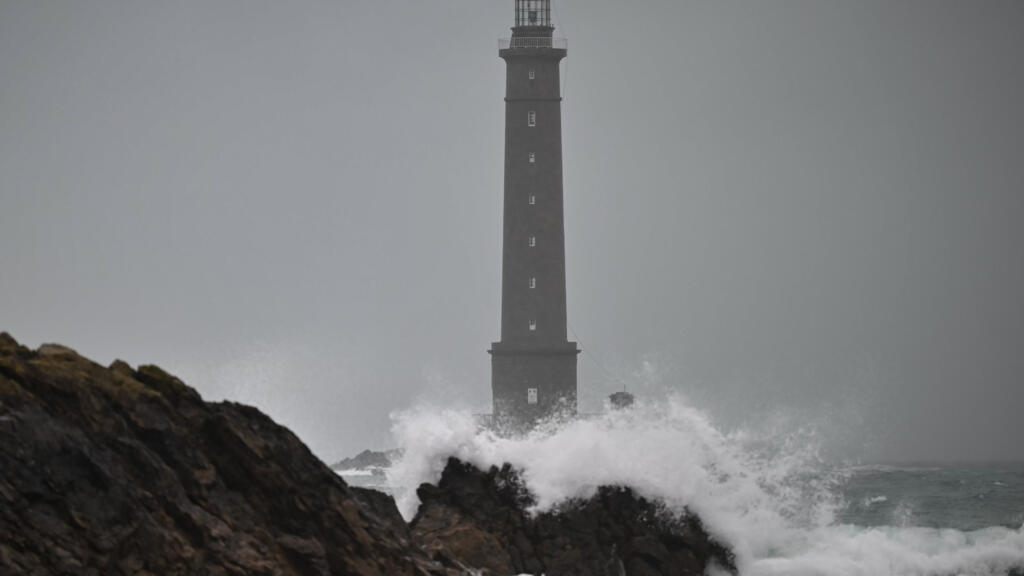
Storm Goretti, named by meteorological services, arrived prominently on Thursday, January 8, escalating the crisis. A France 24 report highlighted that Europe was "set to be buffeted by weather ranging from severe winds to snow and freezing temperatures." Forecasters warned of potential impacts including power outages, transportation delays, and risks to vulnerable populations, with alerts spanning multiple countries.
In Britain, the Met Office issued amber and yellow warnings for snow and ice, particularly affecting northern and central regions. Similar advisories came from Germany's weather service, the Deutscher Wetterdienst (DWD), which predicted gusts up to 100 km/h (62 mph) in exposed areas, compounded by heavy snowfall. France's Météo-France reported comparable threats in the east and northern zones, urging residents to avoid unnecessary travel.
The storm's progression aligns with broader patterns of wintry disruptions this season. Early reports indicate road closures on major highways, school shutdowns, and flight cancellations at key airports such as Heathrow in London and Frankfurt in Germany. Emergency responders have been deployed to assist stranded motorists and clear avalanche-prone areas in alpine regions.
Background on European Winter Storms
Europe has a history of severe winter weather events driven by polar air masses plunging southward, often amplified by Atlantic low-pressure systems like Storm Goretti. These storms are systematically named by national meteorological agencies under a collaborative European framework to raise public awareness—Goretti follows a rotation of names agreed upon by bodies such as the UK's Met Office and France's Météo-France.
Comparable events include Storm Ciara in February 2020, which brought record winds and flooding across western Europe, and the 2018 "Beast from the East," a Siberian cold snap that caused over 100 deaths continent-wide through hypothermia, accidents, and infrastructure failures. More recently, Storm Eunice in 2022 led to widespread blackouts and two fatalities in the UK alone. Climate analyses from the European Environment Agency note that while overall storm frequency remains stable, their intensity can be influenced by warming trends altering jet stream patterns, leading to prolonged cold outbreaks.
In the current episode, temperatures have plummeted below -10°C (14°F) in parts of Scandinavia and Central Europe, exacerbating ice formation on untreated surfaces. Verified data from the European Centre for Medium-Range Weather Forecasts (ECMWF) corroborates the France 24 summary, projecting peak impacts through the weekend with accumulations of 20-30 cm (8-12 inches) of snow in affected zones.
Ongoing Response and Outlook
Authorities across the region have mobilized resources, including gritters for roads and shelters for the homeless. In Germany, the federal crisis management team activated level-two alerts, while Britain's government advised stocking essentials amid potential isolation in rural areas.
As of January 8, the storm's core was tracking eastward, with lingering effects expected into the following week. Forecasters emphasize the additive dangers of wind chill, which could make perceived temperatures drop to -20°C (-4°F) or lower. No additional fatalities have been confirmed since the initial six, but vigilance remains high.
This event underscores Europe's vulnerability to mid-winter extremes, prompting calls from the World Meteorological Organization for enhanced cross-border coordination. Travelers and residents are urged to monitor official updates from national weather services for the latest developments.
(Word count: 612)