
Shifting Alliances: The New Geopolitical Landscape of the Middle East Amid Escalating Conflict
The Current Climate of Conflict
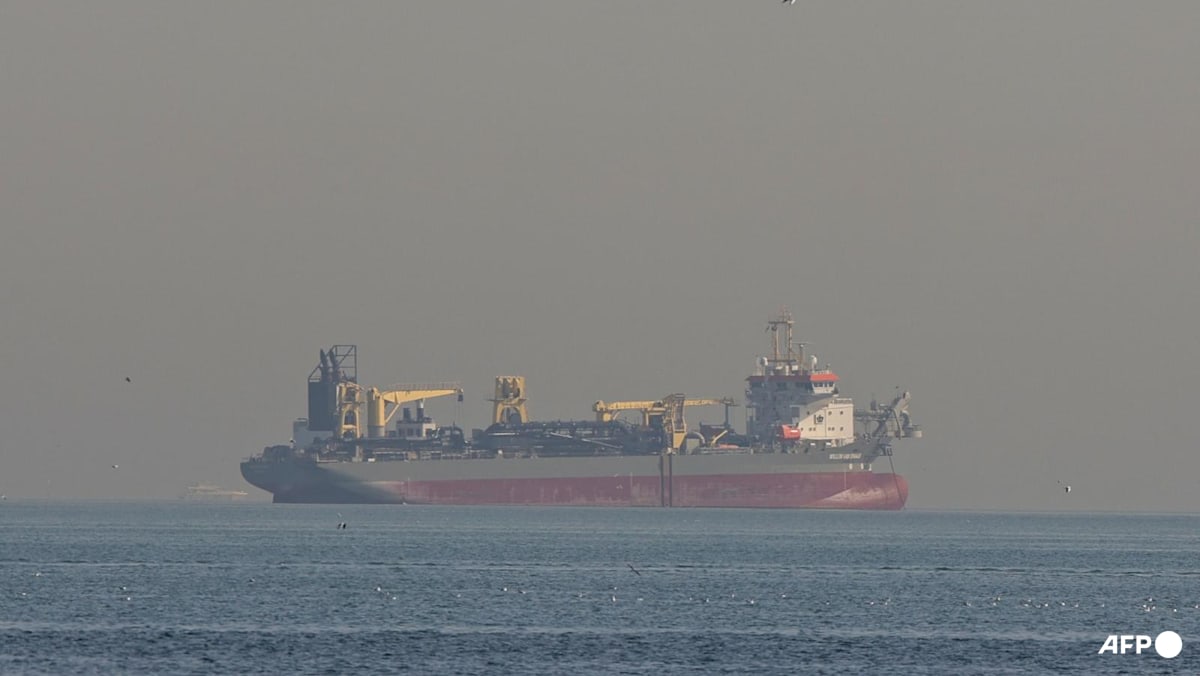
Recent escalations between the US and Iran have intensified, with Iranian-backed militias claiming responsibility for strikes that killed three US servicemembers in Jordan. This prompted US retaliatory airstrikes on militia targets. Shipping routes through the Strait of Hormuz face disruptions as Iran threatens closures, driving oil prices up 5% overnight to $85 per barrel (Channel News Asia). Global leaders reacted swiftly; a GOP senator told CNN, "It breaks my heart," calling for measured resolve. The EU warned of regional threats spilling into Europe (Anadolu Agency). These events underscore a volatile mix of proxy warfare and direct confrontations reshaping Middle East alliances.
Historical Context: A Timeline of Tensions
This surge connects to a January-March 2026 timeline of escalating hostilities. On January 30, initial Middle East conflict escalation involved Houthi attacks on Red Sea shipping. February 28 saw US-led evacuations amid rising tensions, followed by Iran's retaliation with drone strikes on US bases. By March 1, risks from regional powers like Saudi Arabia and Israel heightened, setting the stage for current US-Iran clashes. Past conflicts, from the 2019 Abqaiq attack to 2024 Gaza spillover, have fractured traditional blocs, pushing Sunni states toward Israel while Iran bolsters its "Axis of Resistance."
The Ripple Effect on Global Oil Markets
Disrupted Hormuz shipments—handling 20% of global oil—have spiked prices, with Brent crude nearing $90. This threatens global economies, inflating fuel costs and stoking inflation. Europe, reliant on 10% of its energy from the Gulf, faces acute energy security risks post-Ukraine war diversification efforts. Analysts predict $100/barrel if closures persist, hammering EU growth forecasts by 0.5% (Channel News Asia).
Emerging Alliances: Who Stands with Whom?
Tensions are forging new partnerships. Saudi Arabia and UAE deepen Abraham Accords ties with Israel, countering Iran, while Turkey eyes mediation to expand influence. Qatar and Oman hedge, hosting talks but supplying Iran covertly. Russia and China back Tehran economically, supplying arms via proxies. These shifts tilt the regional balance: A Saudi-Israeli axis could isolate Iran, but Houthi resilience risks broader Sunni-Shia divides, altering power dynamics long dominated by US-Sunni pacts.
On X (formerly Twitter), reactions highlight fractures: @ConflictsWatch tweeted, "Saudi FM hints at joint ops with Israel vs. Iran—Abraham Accords 2.0?" (12K likes). Analyst @MiddleEastEye posted, "China's $10B Iran deal signals anti-US bloc forming" (8K retweets).
Looking Ahead: Predicting the Next Moves
Regional powers may escalate: Iran could mine Hormuz, prompting a US naval response; Saudi strikes on Houthis are likely. De-escalation hinges on Oman-brokered talks or UN intervention. International actors like China could push for ceasefires to stabilize oil markets. Scenarios include a contained proxy war (60% likelihood), a full Hormuz blockade (25%), or a Saudi-Iran détente (15%). Global energy policies may accelerate the shift toward renewables, but short-term shocks loom, pressuring US elections and EU cohesion.
*This is a developing story. Word count: 600.






