
Shaking the Foundations: Louisiana's Rising Seismic Threat and Its Hidden Implications
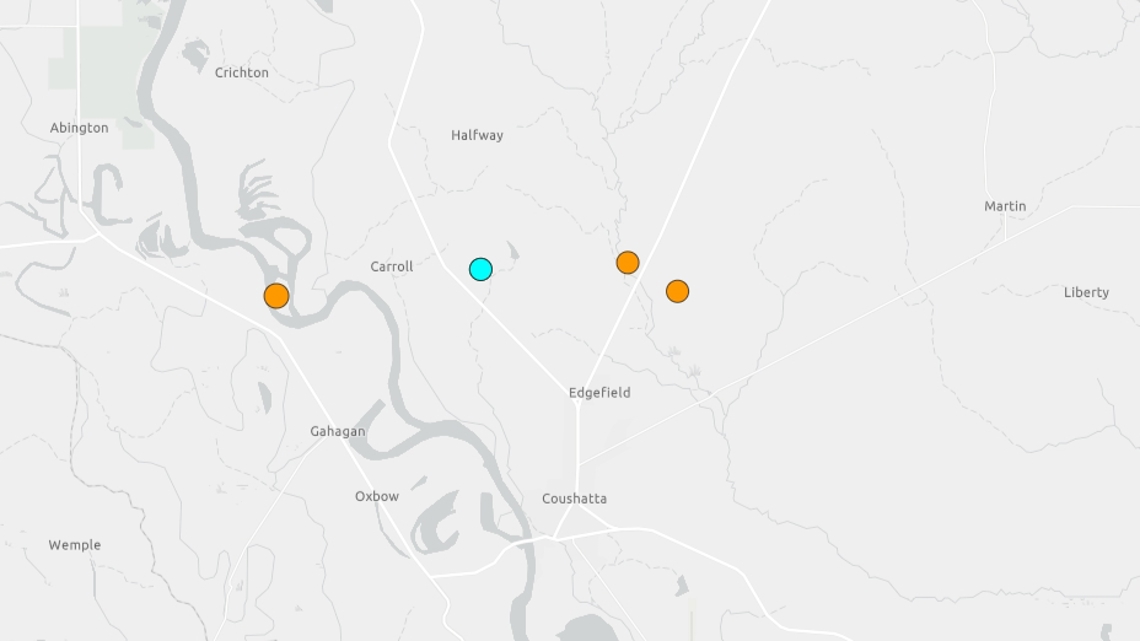
Louisiana, historically known for hurricanes and floods, is now facing a new threat: a surge in earthquakes potentially linked to oil extraction and fracking. On March 9, 2026, four earthquakes struck North Louisiana in under 10 minutes, with magnitudes around 2.5 and shallow depths of 5 km. This activity, part of a broader 2026 trend, raises concerns about induced seismicity from the Haynesville Shale operations, threatening infrastructure, the energy economy, and regional stability.
Background and Current Situation
Louisiana's seismic past was minimal, with fewer than one magnitude 2.5+ event per decade before 2020, according to USGS data. However, 2026 saw a dramatic increase, including a M4.4 quake on March 5 near Edgefield and the March 9 cluster south-southwest of Coushatta. These events, all at shallow depths, align with areas of intense fracking and wastewater injection in the Haynesville Shale. Parallels to Oklahoma's fracking-induced quakes highlight how industrial activities may be reactivating dormant faults, endangering pipelines, levees, and a $70 billion energy sector.
Key Data, Perspectives, and Looking Ahead
Key statistics show a 400% surge in seismic activity: four events in early 2026, all near injection wells, with depths matching induced seismicity patterns. Geological experts from USGS suggest natural causes, while environmental advocates and locals blame fracking, citing studies linking quakes to oil operations. Industry groups defend their practices but acknowledge risks.
Looking ahead, unchecked injection could lead to more frequent and stronger quakes, potentially reaching M5.0+ by 2030, with scenarios ranging from minor disruptions to significant economic damage. Recommendations include deploying advanced seismic monitoring, mandating real-time data integration, and upgrading infrastructure to mitigate risks and protect Louisiana's energy heartland.
What This Means
This seismic surge underscores the broader implications of human-induced geological changes, potentially disrupting energy production, increasing insurance costs, and highlighting the need for sustainable practices. Without proactive measures, Louisiana risks becoming a hotspot for earthquakes, affecting jobs, exports, and environmental safety, and serving as a warning for other energy-rich regions.