Severe Wintry Weather Paralyses Netherlands: Flight Chaos at Schiphol, Roof Collapses, and Northern Warnings

Latest from X
Severe Wintry Weather Paralyses Netherlands: Flight Chaos at Schiphol, Roof Collapses, and Northern Warnings
Amsterdam/The Hague, January 9, 2026 – A prolonged spell of severe wintry weather has brought the Netherlands to a standstill, with Amsterdam's Schiphol Airport canceling around 200 flights and delaying hundreds more since early January, multiple roof collapses on flat-roofed buildings due to heavy snow accumulation, and a code amber weather warning issued for the northern provinces ahead of an even colder weekend.
The disruptions began on January 2, when wintry conditions—characterized by heavy snowfall, freezing temperatures, and icy runways—forced Schiphol, Europe's third-busiest airport and a key hub for KLM and other carriers, to halt operations intermittently. Snowplows have been deployed around the clock to clear runways, but de-icing challenges and reduced visibility have led to widespread cancellations and diversions. Posts on X (formerly Twitter) reflect passenger frustration and highlight the scale, with reports of over 2,400 flights affected in recent days, underscoring the airport's vulnerability to such events. While operations have partially resumed, delays are expected to persist into the weekend.
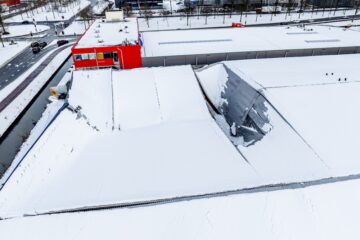
Compounding the travel woes, the weight of accumulated snow on the Netherlands' ubiquitous flat-roofed structures has triggered a series of alarming incidents. Across the country, several buildings have experienced partial or full roof collapses, prompting emergency closures of schools, warehouses, sports facilities, and industrial sites. Authorities have urged owners of flat-roofed properties to remove snow manually or hire professionals, citing the risk of structural failure under loads exceeding design limits. This issue is particularly acute in a nation where flat roofs are common in modern architecture for aesthetic and cost reasons, but they offer less natural snow shedding than pitched designs prevalent in snowier climates.
In the northern provinces of Friesland, Drenthe, and Groningen, the Dutch Royal Meteorological Institute (KNMI) escalated warnings to code amber on January 9, signaling potentially dangerous conditions. The alert forecasts continued snowfall, gale-force winds, and temperatures plunging below -10°C (14°F) overnight, with wind chills making it feel even colder. "A very cold weekend lies ahead," KNMI stated, advising residents to prepare for black ice on roads, power outages, and isolation in rural areas. Code amber, the second-highest level in the KNMI system (after code red), indicates weather hazardous enough to disrupt daily life and travel.
Background on Dutch Winter Vulnerabilities
The Netherlands, with its low-lying geography and maritime climate, is no stranger to wintry disruptions, though severe episodes like this are infrequent. Flat terrain and canals exacerbate snow persistence, while the country's dense population and reliance on Schiphol—a flat expanse prone to rapid icing—amplify impacts. Historical parallels include the 2021 "beast from the east" storm, which blanketed the country in 30 cm of snow and grounded flights at Schiphol, diverting dozens to Paris. More recently, posts on X from early January noted similar chaos, with all flights grounded on January 6 amid heavy snow.
Schiphol's challenges are structural: its runways require extensive de-icing, and even minor accumulations can halt the 1,300 daily flights serving 100 million passengers annually. KLM, the majority stakeholder, has canceled hundreds of flights, seeking assistance from German airports for de-icing resources. Meanwhile, the flat-roof crisis echoes past winters; in 2010, heavy snow caused multiple collapses, leading to updated building codes that still prove insufficient during exceptional events.
KNMI attributes the current cold snap to a polar vortex dip, bringing Arctic air masses southward—a pattern linked to climate variability. While global warming has reduced average snowfall, extreme events may intensify due to atmospheric shifts, experts note.
Outlook and Response
Dutch authorities have mobilized: highways are gritted, emergency services on standby, and municipalities clearing snow from critical infrastructure. Schiphol advises passengers to check flight statuses via apps, while northern residents are told to stock essentials and avoid unnecessary travel.
As the cold deepens, the focus shifts to prevention. Building inspectors are prioritizing high-risk sites, and insurers brace for claims. Recovery at Schiphol could take days, with ripple effects on Europe's air network. This episode serves as a stark reminder of the Netherlands' need for resilient infrastructure amid unpredictable winters—potentially spurring investments in sloped roofs, advanced de-icing tech, and diversified air hubs.
(Word count: 612)
Track this story live
Live World Map
Monitor global events in real time with a live activity map and hotspot summaries.
Global Disaster Tracker
View earthquakes, volcanoes, floods, weather, and wildfire clusters in one place.
Hurricane Tracker
Live hurricane and tropical storm tracking with storm paths, categories, and alerts.
Tornado Tracker
Track active tornado warnings, watches, and severe weather alerts across the United States.
Original Sources
- •
- •
Editorial process: This article was synthesized from the original sources cited above using The World Now's AI editorial system, with byline accountability from our editorial team. We grade every story for source grounding, factual coherence, and on-topic match before publication. Read more about our editorial standards and contributors. Spot something inaccurate? Let us know.
Last updated: January 18, 2026