Severe Weather Grips Greece: Tornado Ravages Northwest, Ferry Services Halted in Aegean
Athens, Greece – Greece is grappling with a spate of severe weather events as winter storms unleash chaos across the mainland and islands. A powerful tornado struck northwestern Greece late last week, flattening a poultry farm and causing widespread damage, while adverse conditions in the Aegean Sea have led to the suspension of ferry services to the popular island of Tinos.
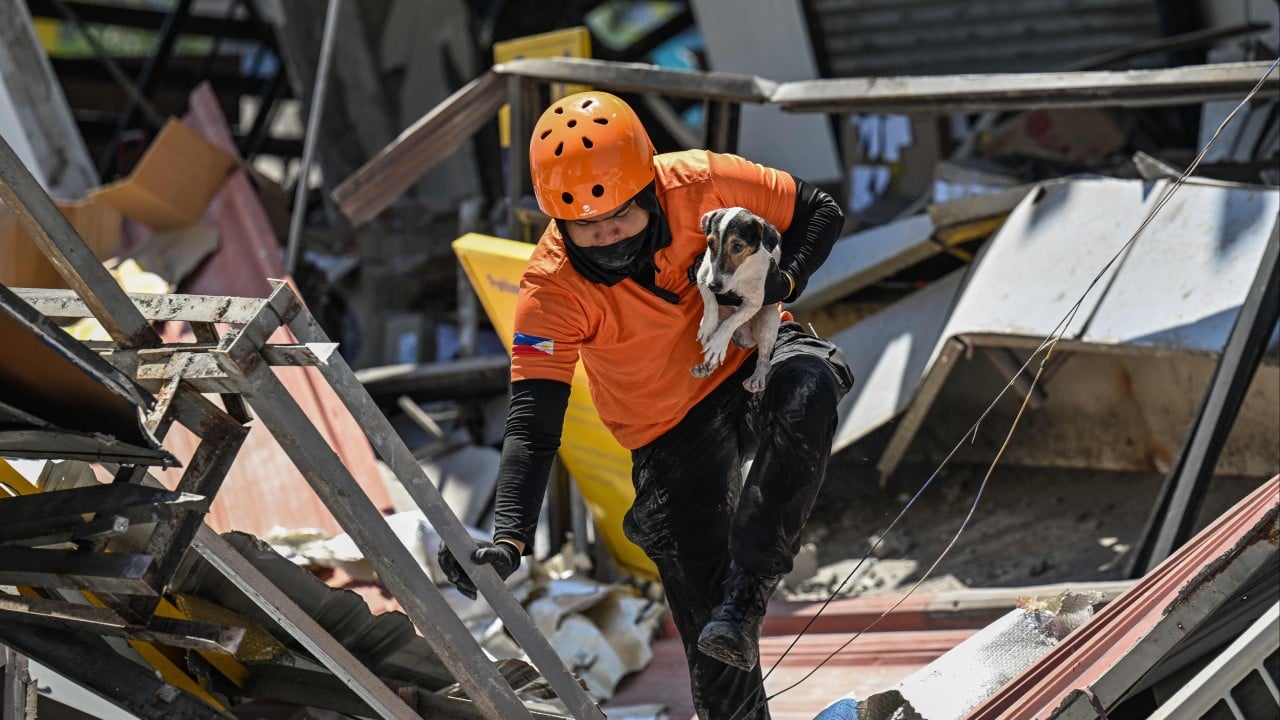
The tornado hit the Kalpaki area near Ioannina in northwestern Greece on Wednesday evening, January 7, 2026, according to local authorities cited in reports. The freak weather event demolished a local poultry farm, uprooted dozens of trees, and inflicted damage on nearby military facilities. No immediate casualties were reported, but the destruction underscored the vulnerability of rural infrastructure to extreme weather phenomena.
In the Aegean Sea, ferry services to Tinos – a Cycladic island renowned for its religious sites and pilgrimage during the summer – were suspended starting Friday, January 2, 2026, at approximately 5:43 p.m. GMT. The halt, classified as medium severity by monitoring services, stems from rough seas and strong winds battering the eastern Mediterranean. Tinos, lying about 115 nautical miles from Athens' Piraeus port, relies heavily on ferry links for tourism, supplies, and resident travel, making disruptions particularly disruptive during the off-season.
These incidents are part of a broader pattern of inclement weather affecting Greece in early 2026. The country, situated at the crossroads of continental and Mediterranean climates, frequently experiences intense winter storms fueled by cold air masses from the Balkans clashing with warm, moist air from the south. The Hellenic National Meteorological Service (HNMS) has issued warnings for continued gusty winds and heavy rainfall across much of the nation, with the Ionian and Aegean seas particularly prone to high waves.
Details of the Tornado in Northwestern Greece
Local authorities in Ioannina, a regional hub in Epirus known for its mountainous terrain and proximity to the Albanian border, confirmed the tornado's impact shortly after the event. The twister carved a destructive path through agricultural lands in Kalpaki, a village in the Zagori municipality. The poultry farm, a key local employer, was completely leveled, with debris scattered across fields. Military installations in the vicinity, likely including training grounds or storage depots, sustained structural damage, though operations were not believed to be severely impaired.
Firefighters and civil defense teams were mobilized to clear fallen trees blocking roads and assess further risks. "The tornado came suddenly, with winds strong enough to uproot century-old oaks," one unnamed local official told reporters. No estimates of financial losses have been released, but similar past events in Greece – such as the 2019 tornadoes in Thessaly – have caused damages exceeding millions of euros in agricultural sectors alone.
Ferry Disruptions Highlight Aegean Vulnerabilities
The suspension of ferries to Tinos reflects ongoing challenges for Greece's vital maritime network, which connects over 200 inhabited islands. Operators, including major lines like Blue Star Ferries, cited unsafe conditions with waves exceeding safe limits and sustained winds over 40 knots. Passengers and freight shipments have been rerouted or delayed, stranding some residents and holidaymakers.
Tinos, with a population of around 8,500, depends on these services for essentials like food and medical supplies. The island's Orthodox pilgrimage site, the Church of Panagia Evangelistria, draws millions annually, but winter weather often isolates it. Similar disruptions occurred during Storm Daniel in September 2023, which battered the Ionian islands and led to widespread ferry cancellations.
Background on Greece's Severe Weather Patterns
Greece has seen an uptick in extreme weather linked to climate variability. The Mediterranean basin is warming faster than the global average, intensifying storms and enabling rare events like tornadoes. According to the HNMS, 2025 recorded above-average precipitation in the north, setting the stage for this winter's turbulence. Tornadoes, while uncommon, have struck Greece sporadically; a notable outbreak in 2021 affected Crete and the Peloponnese.
The European Environment Agency notes that such events could become more frequent, straining emergency response systems already tested by wildfires and floods in recent years.
Outlook and Response
As of January 8, 2026, authorities are monitoring forecasts predicting easing conditions in the northwest but persistent gales in the Aegean through the weekend. Ferry services to Tinos may resume once seas calm, with updates expected from port authorities. In Ioannina, cleanup efforts continue, with no further incidents reported.
Greece's Civil Protection Ministry has urged residents to avoid coastal areas and heed weather alerts. The dual threats highlight the archipelago's exposure to nature's fury, prompting calls for bolstered infrastructure resilience amid a changing climate.
(Word count: 612)