Severe Weather Alert: Southern and Midwestern U.S. Brace for Storms as Hawaii Faces Crisis
Multiple tornado warnings are active across Louisiana and Mississippi as of March 11, 2026, alongside Hawaii's state of emergency due to a powerful Kona storm. This highlights an unprecedented 'weather bridge' linking Pacific and continental systems, driven by warmer ocean temperatures, urging immediate national preparedness reforms.
What's Happening
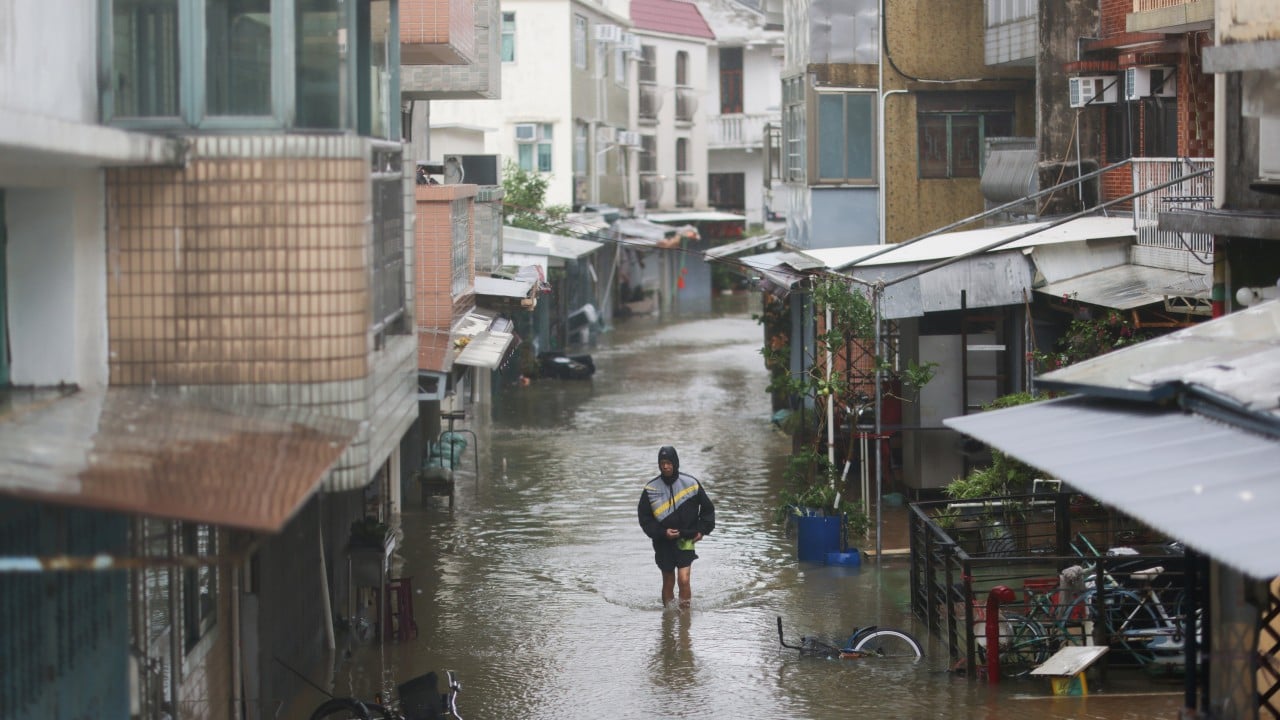
The National Weather Service (NWS) has issued tornado warnings for Washington and Tangipahoa parishes in Louisiana, and Jefferson Davis and Clarke counties in Mississippi, with radar-confirmed rotations. Severe thunderstorm warnings affect Covington County, MS, and Livingston Parish, LA, potentially bringing hail and winds up to 70 mph. Red flag warnings for fire risks are in place in Lyon County, KS, and Corson County, SD, due to dry conditions, while a flood warning continues in Elkhart, IN. In Hawaii, the Kona storm threatens flooding, high winds, waterspouts, and mountain snow, leading to school closures in Tangipahoa, LA, power outages in Clarke, MS, and evacuations on Hawaii's Big Island. Local responses, such as volunteer sandbagging, underscore community resilience amid these disruptions.
Context and Background
These alerts reflect a surge in early-spring storm intensity, similar to the 2011 Midwest Super Outbreak that spawned over 340 tornadoes. Warmer Gulf waters, remnants of El Niño, are accelerating storm frequency, while Hawaii's Kona low echoes 2018's rare winter events. Jet stream anomalies are now connecting these distant systems, creating interregional weather patterns that demand attention.
Looking Ahead
This convergence of events underscores the need for enhanced national resilience, including updated infrastructure like rural sirens in Mississippi and bolstered early-warning systems. Expect potential expansion of warnings to Alabama and Arkansas in the next 48-72 hours, which could lead to widespread flooding and a national emergency. Long-term, these patterns may drive 2027 policies for climate-resilient grids and federal coordination, emphasizing the importance of apps and shelters for at-risk communities. This story is developing and will be updated.
(Word count: 602)