
Severe Snowstorm Hits Sweden, Disrupting Travel and Leaving Thousands Without Power
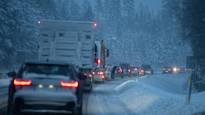
A severe snowstorm has swept across Sweden, beginning on January 1, 2026, with meteorologists predicting snow accumulations of up to 60 centimeters in various regions. The extreme weather conditions have forced flight delays at Arlanda Airport in Stockholm, stranding travelers and complicating holiday plans.
The storm, dubbed Storm Anna, has compounded the challenges faced by many areas already reeling from the aftermath of Storm Johannes, which struck just a week earlier. Storm Johannes had already resulted in three fatalities and left over 15,000 households without power, primarily in Gävleborg and Västernorrland counties. The region was particularly hard-hit, where heavy snowfall and high winds have created hazardous conditions for residents and emergency responders alike.
In Gävleborg County, where Storm Anna has dumped nearly a meter of snow, the situation remains dire. Thousands are still without electricity as utility crews work tirelessly to restore power after Storm Johannes caused widespread outages. "People are trying to help each other out as best as they can and keep their spirits high, but of course many are getting quite tired of this situation," reported Kasper Englund, a journalist with Swedish Radio.
The ongoing severe weather has prompted Sweden's meteorological agency, SMHI, to issue multiple weather warnings across the country. These warnings highlight the risk of fallen trees and disruptions to transportation networks, including ferry services, particularly on the island of Gotland, where an orange storm warning has been issued.
Travel disruptions have been significant, with delays reported at Arlanda Airport due to the heavy snow. Authorities have urged individuals to avoid non-essential travel during the storm, emphasizing the dangers posed by high winds and poor visibility. "This is a situation we have not experienced in many years," noted a spokesperson from the Swedish Transport Administration.
The impacts of the storm are also felt in recreational areas, such as the ski resort of Kungsberget, which had to temporarily close due to extensive tree damage from Storm Johannes. After a brief recovery period, the resort has reopened its slopes, although it continues to deal with the remnants of the damage, which includes fallen trees and debris on ski lifts.
As the snowstorm continues to unfold, residents are urged to remain vigilant and prepared for further disruptions. The Swedish Civil Contingencies Agency has recommended that households stock up on essential supplies and stay informed through local news channels.
Background
Severe winter weather has become increasingly common in Sweden, with recent patterns suggesting a trend of more intense storms. The combination of heavy snowfall, high winds, and power outages creates a challenging environment for emergency services and local governments, necessitating coordinated responses to ensure public safety.
In light of the recent storms, authorities are emphasizing the importance of community support and preparedness. As the harsh winter continues, the resilience of Swedish communities will be tested, with many hoping for calmer weather in the weeks ahead.
Conclusion
The severe snowstorm impacting Sweden highlights the growing challenges posed by extreme weather events. With thousands still without power and travel severely disrupted, the focus remains on recovery and support for affected communities. As Storm Anna continues to evolve, authorities are on high alert, prepared to respond to the ongoing challenges posed by winter weather.