
Severe Snowstorm Grips Sweden: Up to 60 cm of Snow Causes Disruptions Nationwide
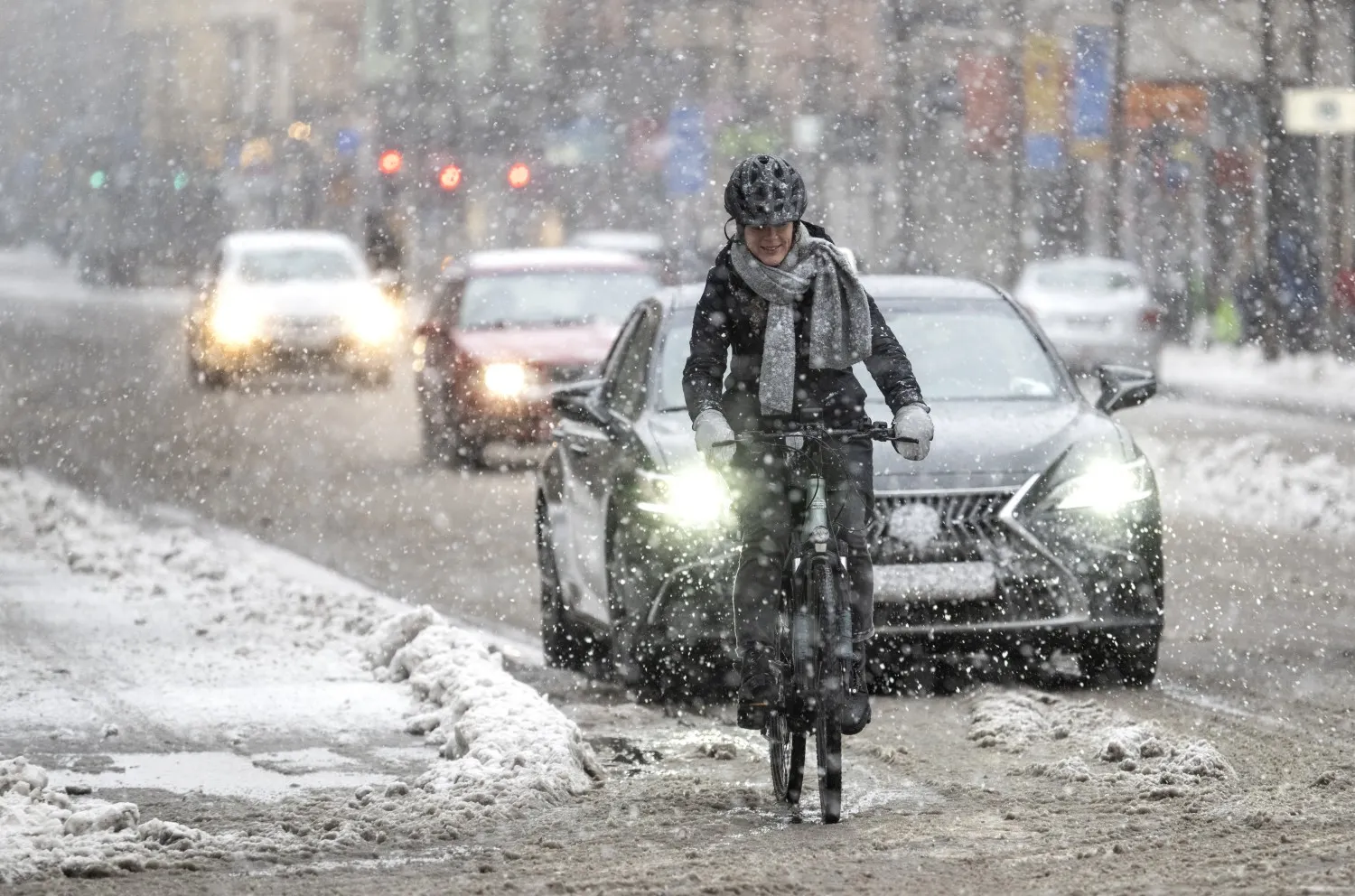
Stockholm, Sweden – A powerful snowstorm has swept across Sweden since early January, blanketing northern and central regions with heavy snowfall and prompting warnings for up to 60 centimeters of accumulation in some areas. The storm, which began on Thursday, January 1, 2026, has led to significant disruptions, including flight delays at Stockholm's Arlanda Airport, one of Scandinavia's busiest aviation hubs. As recovery efforts continue in the north and center, southern Sweden is now bracing for its own bout of severe weather expected on Tuesday, January 6.
The snowstorm's onset marked a dramatic shift in Sweden's winter weather patterns this season. Initial impacts were felt starting at approximately 21:11 GMT on January 1, with high-severity conditions escalating rapidly. Northern and central parts of the country, including Stockholm, experienced intense snowfall over the subsequent weekend of January 3-4, leading to hazardous road conditions, power outages, and transportation snarls. Arlanda Airport reported multiple delays and cancellations as snow accumulation hampered runway operations and de-icing efforts.
According to reports, some areas are forecast to see up to 60 cm of snow, a volume that exceeds typical early January accumulations and poses risks of avalanches in mountainous regions and structural strain on unprepared infrastructure. The Swedish Meteorological and Hydrological Institute (SMHI), Sweden's national weather authority, has issued high-level warnings, classifying the event as severe due to its intensity and broad geographic reach.
Widespread Impacts and Response Measures
The storm's effects have rippled through daily life across Sweden. In central Sweden, where Arlanda is located, airlines such as SAS and Norwegian Air Shuttle confirmed delays averaging two to four hours on Friday and Saturday, with some international flights diverted to alternative airports like Göteborg Landvetter. Road authorities reported over 200 incidents of vehicles sliding off highways, particularly on the E4 and E20 routes connecting Stockholm to the north and south.
Northern regions, including Norrland provinces like Västerbotten and Norrbotten, bore the brunt of the initial onslaught. Weekend snowfall there created whiteout conditions, stranding motorists and closing schools in affected municipalities. Emergency services were mobilized, with the Swedish Transport Administration (Trafikverket) deploying hundreds of snowplows and salting teams. Power provider Vattenfall noted localized outages affecting up to 50,000 households at peak, though most were restored by Monday morning.
As of Monday, January 5, attention has shifted southward. Much of southern Sweden, from Skåne in the far south to Östergötland, is preparing for heavy snowfall on Tuesday. The Local Sweden reported that residents and authorities are stocking up on essentials, with supermarkets in Malmö and Gothenburg seeing increased demand for winter supplies. SMHI forecasts 20-40 cm in the south, potentially compounding travel woes during the post-holiday period.
Local governments have activated contingency plans. In Stockholm, Mayor Karin Wanngård urged residents to limit non-essential travel, while southern cities like Lund and Helsingborg announced potential school closures. Public transport operators, including SL in the capital, have increased shuttle services and advised checking real-time updates via apps.
Background on Sweden's Winter Weather Challenges
Sweden's geography predisposes it to severe winter storms, with its long coastline along the Baltic Sea and Norwegian mountains funneling cold air masses southward. January typically sees average snow depths of 20-50 cm in central areas, but extreme events like this one align with occasional "cold snaps" driven by polar vortex dips. Historical parallels include the 2018 "Snowmageddon" that paralyzed southern Sweden with 50 cm falls and the 1998 storm that caused widespread blackouts.
Climate data from SMHI indicates that while overall winters have warmed slightly due to global trends, short-term extremes remain common, influenced by Arctic amplification. This storm follows a mild December, making the sudden severity particularly disruptive for a nation accustomed to winter preparedness. Sweden invests heavily in infrastructure resilience, with over 400,000 km of roads equipped for snow management and an annual winter maintenance budget exceeding 10 billion SEK.
Looking Ahead: Preparations and Potential Escalation
Meteorologists anticipate the southern onslaught to peak Tuesday afternoon, with winds gusting up to 20 m/s exacerbating drifting snow. SMHI has extended yellow and orange warnings through mid-week, advising against travel unless necessary. Aviation authorities at Arlanda plan enhanced de-icing capacity, but passengers are urged to confirm flights via airline apps.
Recovery in the north continues, with economic estimates from early assessments pegging losses at tens of millions of SEK from delayed shipments and tourism dips. Cross-country skiing enthusiasts, however, may welcome the fresh powder once roads clear.
As Sweden navigates this multi-phase storm, officials emphasize community vigilance. "We've seen the north weather it; now the south must do the same," said an SMHI spokesperson in a weekend briefing. With clear skies potentially following by Thursday, the event underscores the unpredictable nature of Nordic winters in an era of variable weather patterns.
(Word count: 712)