Severe Snowstorm Grips Sweden, Dumping Up to 60cm of Snow and Disrupting Arlanda Airport

Latest from X
Severe Snowstorm Grips Sweden, Dumping Up to 60cm of Snow and Disrupting Arlanda Airport
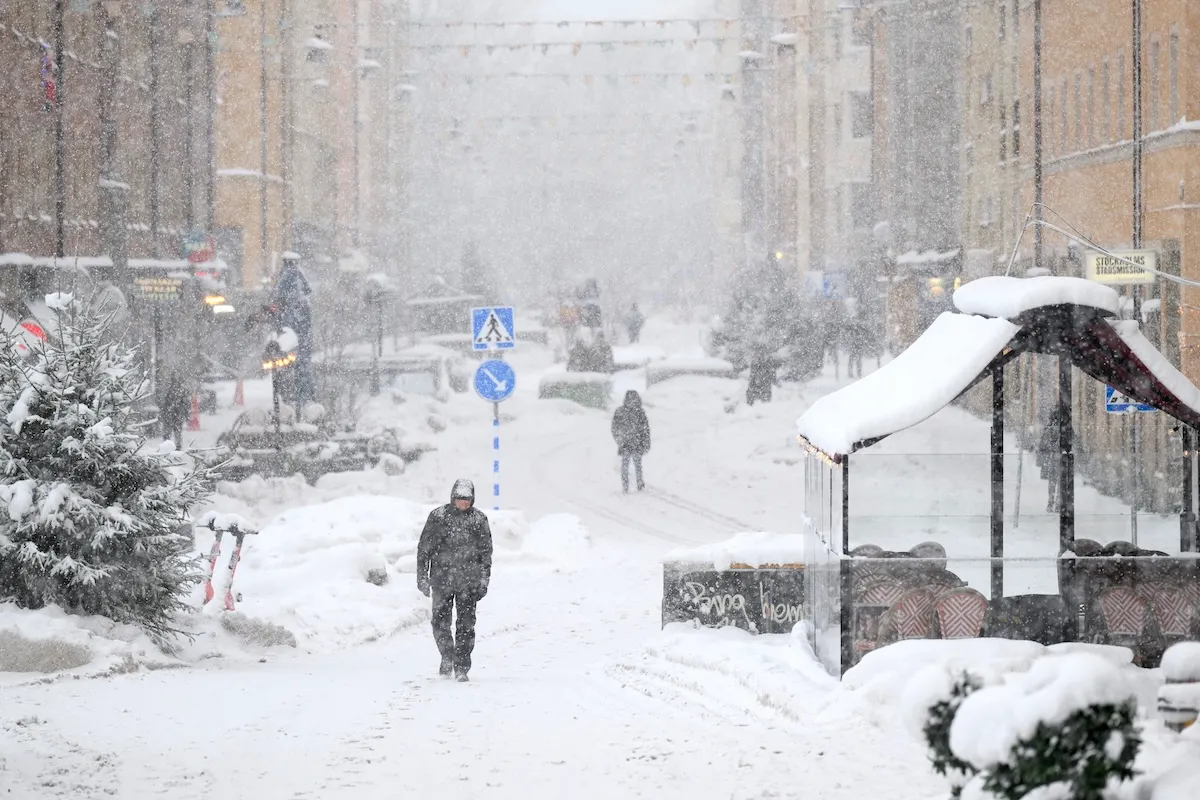
Stockholm, Sweden – A powerful snowstorm has swept across Sweden since early January, blanketing parts of the country in heavy snowfall and triggering widespread disruptions, including significant flight delays at Stockholm's Arlanda Airport. Some regions are forecast to receive up to 60 centimeters of snow, with the northwest coast experiencing extremely heavy accumulations as of Wednesday.
The storm, which began intensifying around January 1, has ushered in one of the most severe winter weather events of the season so far. According to reports, the combination of strong winds and relentless snow has led to hazardous travel conditions nationwide. Arlanda Airport, Sweden's busiest international hub, has reported multiple delays and cancellations, stranding thousands of passengers during the post-New Year's travel period.
The northwest coast has been particularly hard-hit, with extremely heavy snowfall prompting warnings from meteorological authorities. These areas, including regions along the North Sea facing Norway, have seen rapid accumulation that has overwhelmed road clearing efforts and isolated some communities. The Local Sweden's daily roundup highlighted the intensity of the weather on Wednesday, noting it as a top story amid ongoing challenges for residents and infrastructure.
Widespread Impacts and Response Efforts
Transportation networks have borne the brunt of the storm. Beyond Arlanda, road closures and traffic jams have been reported across major highways, particularly in western and northern Sweden. Train services operated by SJ, the state-owned rail company, have faced delays, while ferries on coastal routes have been canceled due to rough seas exacerbated by the gale-force winds accompanying the snow.
Emergency services have been mobilized, with the Swedish Transport Administration (Trafikverket) deploying additional plows and salting teams. Schools and businesses in affected areas have closed, and authorities have urged the public to avoid unnecessary travel. The Swedish Meteorological and Hydrological Institute (SMHI), Sweden's national weather service, has issued high-level warnings for the northwest coast and inland areas, classifying the event as high severity.
This snowstorm arrives amid a typically harsh Nordic winter, where polar air masses from the Arctic frequently plunge southward. Sweden's geography, with its long coastline and varied terrain, amplifies such events, leading to "lake-effect" snow bands off the Baltic and North Seas. Accumulations of 60cm in short periods are not unprecedented but signal extreme conditions, potentially rivaling historical benchmarks from past storms.
Background on Swedish Winter Weather
Sweden experiences frequent severe weather during its long winters, which typically span from November to April. The country averages over 100 snowfall days annually in the north, but southern and coastal regions like Stockholm and the northwest can see intense, short-lived events driven by low-pressure systems tracking from the Atlantic.
Past incidents provide context: In November 2016, Stockholm recorded its snowiest day in over a century, as noted in historical weather reports. More recently, storms like the 2023 "Egon" event brought similar disruptions. Climate patterns, including a strengthening polar vortex this season, have contributed to colder-than-average temperatures across Scandinavia, setting the stage for this outbreak.
The timing, just days into 2026, coincides with heightened travel following the holiday season. Arlanda's role as a gateway for international flights to Europe and beyond has amplified the economic ripple effects, with airlines like SAS and Norwegian Air Shuttle issuing advisories.
Looking Ahead: Ongoing Vigilance Required
As of January 7, the storm shows no signs of abating immediately, with forecasts indicating continued snowfall through the week. SMHI predicts additional bands of heavy snow moving eastward, potentially affecting central Sweden including the capital region. Temperatures are expected to plummet further, raising risks of black ice and avalanches in mountainous areas.
Authorities are monitoring for secondary impacts such as power outages and structural damage from snow weight on roofs. The government has activated contingency plans, drawing on lessons from previous winters to ensure resilience in energy and supply chains.
Residents are advised to check real-time updates from SMHI and Trafikverket apps, prepare emergency kits, and heed travel bans. While Sweden's infrastructure is well-adapted to winter extremes, this event underscores the challenges of balancing modern connectivity with nature's force.
The snowstorm serves as a stark reminder of Scandinavia's variable climate, where rapid shifts from mild to severe can test preparedness. As cleanup begins in harder-hit zones, meteorologists warn that more wintry blasts could follow, keeping Sweden on high alert through mid-January.
(Word count: 612)
Track this story live
Live World Map
Monitor global events in real time with a live activity map and hotspot summaries.
Global Disaster Tracker
View earthquakes, volcanoes, floods, weather, and wildfire clusters in one place.
Hurricane Tracker
Live hurricane and tropical storm tracking with storm paths, categories, and alerts.
Tornado Tracker
Track active tornado warnings, watches, and severe weather alerts across the United States.
Original Sources
- •Today in Sweden: A roundup of the latest news on Wednesday— The Local Sweden
Editorial process: This article was synthesized from the original sources cited above using The World Now's AI editorial system, with byline accountability from our editorial team. We grade every story for source grounding, factual coherence, and on-topic match before publication. Read more about our editorial standards and contributors. Spot something inaccurate? Let us know.
Last updated: January 10, 2026